

How to build a rooftopgarden
Imagine a morning you wake up holding your coffee mug, go to the roof, and find yourself in a lush green heaven. It is a slice of nature in the middle of a concrete jungle—a space where you can escape the hustle and crowds of the city. Sounds appealing like a dream, right? But this dream could be your reality. This dream would be possible with a rooftop garden.
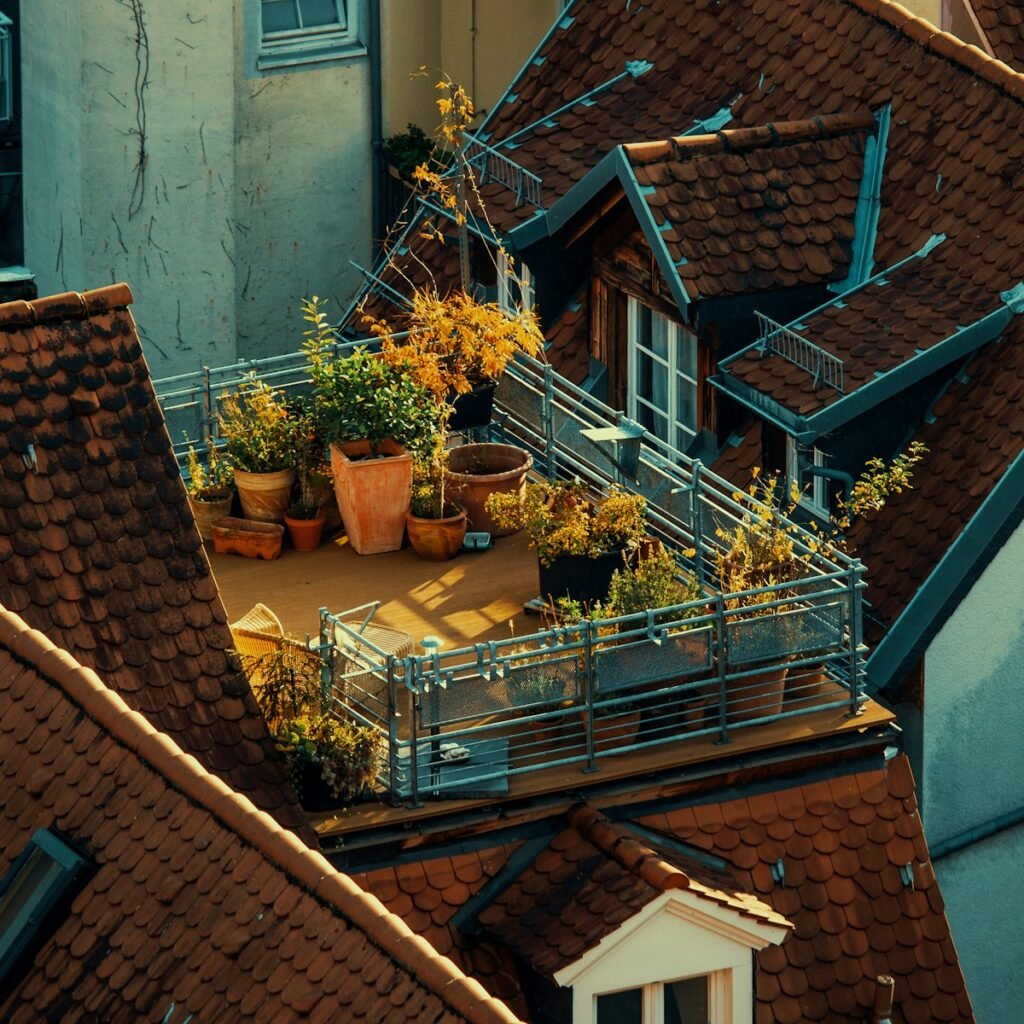
A rooftop garden makes your home look beautiful and is a great, eco-friendly way to grow plants, save energy, and clean the air. It’s also a fun way to feel closer to nature. And more or less, we all know the benefits of rooftop gardening, it keeps our bodies and minds fresh and gives a meditative vibe. So, if you are conscious of all these great factors about rooftop gardening, then you are in the right place. I will clearly explain the detailed techniques for creating a jungle onyour head. This detailed guide will walk you through every step of creating your rooftop garden, even if you have minimal gardening
experience. So let’s go dig it in.
Your Rooftop Structure And Suitability
First things first — before we jump into your rooftop garden ideas, designs, or all the awesome benefits, you’ll need to check and measure your roof’s structure. It’s super important. Plants, soil, or gardens must have a weight, right? Roofs have a limited weight
capacity. You might have the excitement to grow plants, but ensuringyour rooftop can handle the extra weight and exposure is vital.
Structure and Weight Limits:
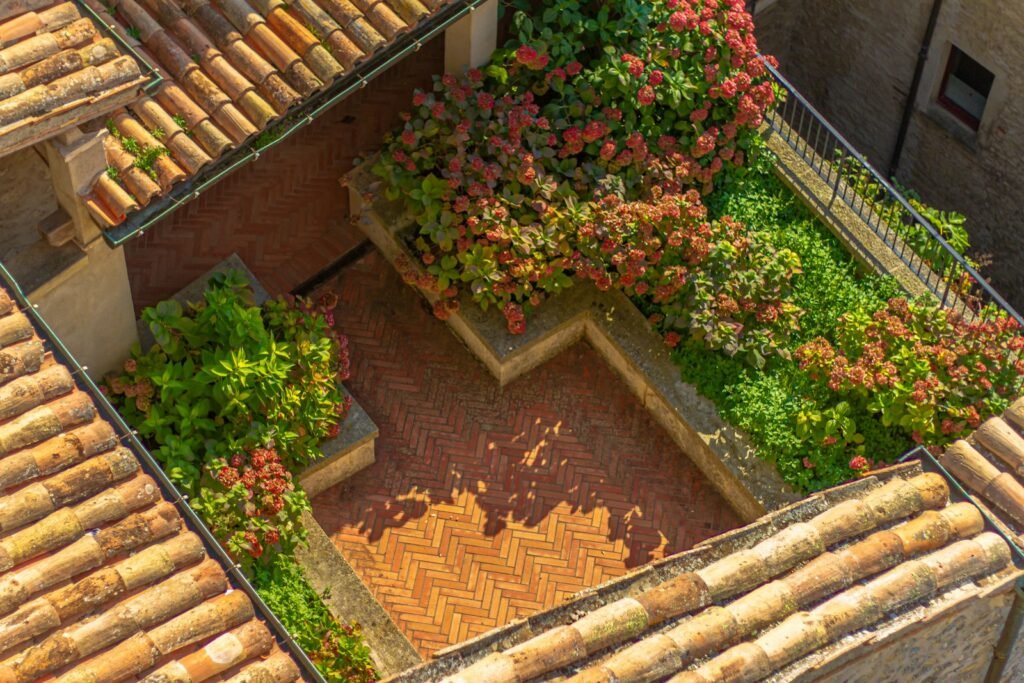
A rooftop garden adds extra weight to your building because of the soil, pots, water, and plants. This is especially true if you’re using big pots or furniture. Before you start, talk to a structural engineer or your building’s architect to make sure your roof can support the weight. It’s very important for your rooftop garden design. Also, remember that wet soil is heavier than dry soil, so the weight will increase after rain or watering. This is important to consider for rooftop urban gardens in urban areas.
Permission:
If you are renting or do not own the building, like me, you must obtain permission from your landlord or building management. They may have specific rules or restrictions for residential rooftop gardens on what can be grown on the roof. It is better to address these concerns early than to undo any progress later. Once you know your roof’s limits and have the right permits, you can confidently start your rooftop garden.
Positioning-Sun And Wind

Positioning your roof garden for optimal sun and wind is important. The location of your garden plays a big role in its success. Rooftop gardens are more exposed to the sun and wind than ground-level gardens. Some roofs have more light and air, depending on the height, position of neighboring buildings, etc. Check your roof’s wind speed. If the speed is faster, then you need to install windbreakers or fences to protect your plants. Check the location and duration of sunlight on your roof because most plants need at least 6-8 hours of sunlight per day, so choose a location where your garden will flourish with proper air and sunlight. Let’s take a look at the details.
Sunlight
Most rooftop gardens receive a lot of direct sunlight, which is great for many plants, but not all. When planning your garden, consider which rooftop areas receive the most light and which may be shaded. Put sun-loving plants like vegetables and herbs in the brightest areas. Place shade-loving plants in spots with less sunlight.
Wind Protection
Rooftops are often windier than the ground and can be affected by storms. This can stress plants and make them dry out faster. To protect delicate plants, use windbreaks like trellises, screens, or tall plants. Placing your plants carefully will help them get enough sunlight while staying safe from strong winds.
Water and Drainage
Water management is a crucial part of rooftop and gardening. Rooftop gardens often face water challenges, as they can dry out faster due to sun and wind exposure. Overwatering can lead to drainage problems, underwatering can cause plants to wilt. So, finding the right balance is essential. To keep your plants healthy, you need to ensure a reliable water supply and good drainage.
Water Supply
One of the most critical facts in a rooftop garden is maintaining its water access. Without proper water access, gardening is impossible, and it takes a lot of effort and time to water the plants by climbing the stairs with buckets of water. One of the simplest ways to ensure your rooftop garden is adequately watered is by installing an irrigation system, such as drip irrigation. A drip irrigation system can save you time and effort. It slowly delivers water directly to the base of plants, ensuring they get the moisture they need without wastage. Additionally, it helps prevent fungal diseases caused by overhead watering. If you have water access, then you can use a garden hose or a boot on the roof.
Self-Watering Containers
In any big or small terrace garden,self-watering containers are an excellent choice for busy gardeners. These containers have built-in water reservoirs, which enable plants to absorb water gradually as needed. They also assist in preventing overwatering and ensure that plants get a consistent supply of moisture.
Proper Drainage
It’s important to stop water from collecting on your roof because it can damage the building. Use drainage mats or containers with drainage holes to let extra water flow away. Otherwise, your plants may get too wet and be ruined. Plan good watering and drainage to keep your roof garden healthy without harming the roof.
Planning the Layout of Your Garden
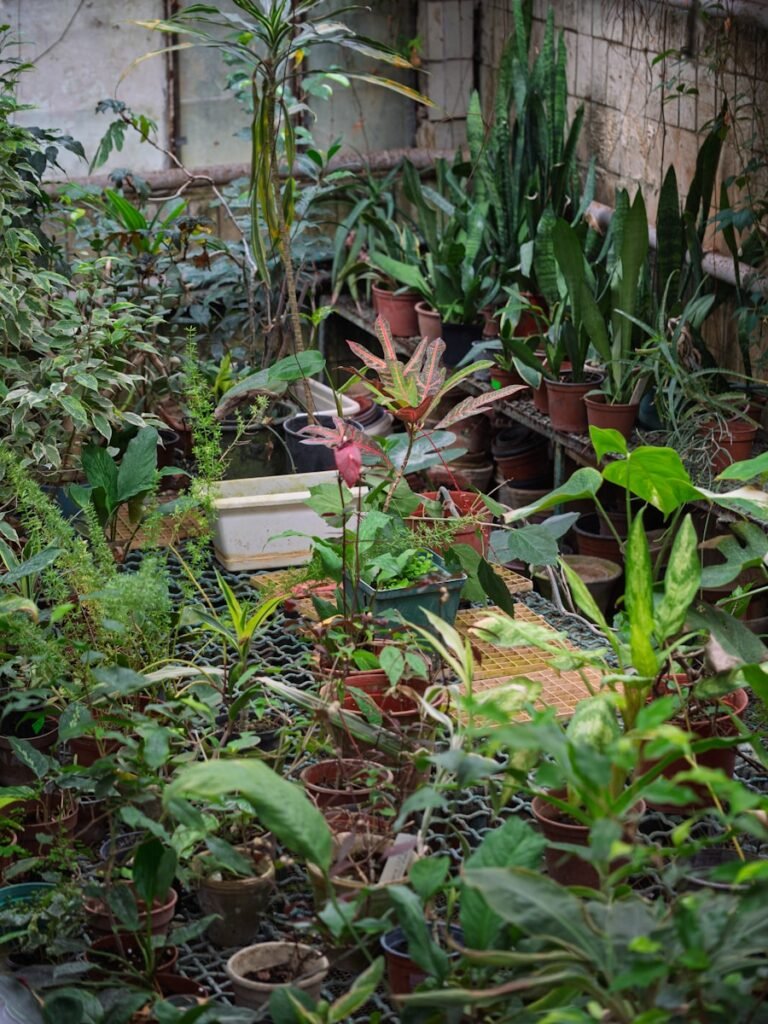
Once your rooftop is strong and you have permission, it’s time to plan your garden. Think of it like a blank canvas where you can create something both beautiful and practical. Arrange your plants in a way that makes the best use of space and allows them to grow well. Also, make sure there are clear paths so you can easily move around and take care of your garden.
Container Gardening and Raised Beds:
Container gardening is the easiest option for most rooftop garden ideas. This lets you place pots wherever you want. You can also move them to get the right amount of sunlight for each plant. Containers help drain water properly, which is important for rooftop gardens. This prevents water from collecting and damaging the building. Raised beds, on the other hand, offer deep soil, making them perfect for growing vegetables or larger plants. They require further preparation for waterproofing and proper drainage.
Zoning the Space
Divide your garden into different zones based on the plants’ needs. For instance, herbs that require lots of sunlight must be placed in one area. shade-tolerant plants, such as lettuce, can go in another section. You can also create a cozy seating area to relax amidst the greenery.
Vertical Gardening
Incorporate vertical gardening techniques to maximize space. Hanging planters, wall-mounted shelves, and trellises allow you to grow more plants without eating up valuable floor space. Vertical gardening is perfect for small spaces and adds an extra layer of depth and beauty to your rooftop garden.
Choosing the best plants for your rooftop garden
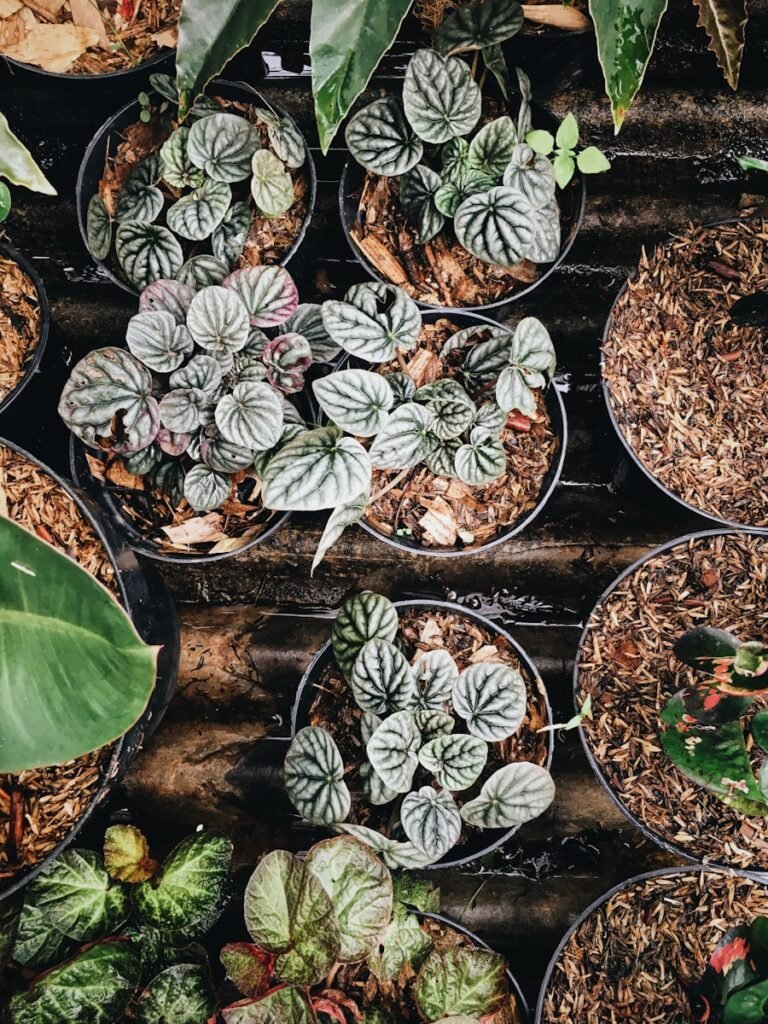
One of the most crucial decisions you’ll make for your rooftop garden is the selection of the right plants. You should choose plants that can withstand the rooftop garden challenges. Not all plants are suited for rooftop gardening. Rooftop gardens face harsher conditions than regular gardens. They get more sun, strong winds, and changing temperatures. Therefore, you’ll need to choose the best plants for your rooftop garden that can withstand these challenges.
Lightweight Plants
To meet weight limits, a garden on house roofs should select lightweight plants. You can also use lighter materials such as plastic or fabric pots. I use cup noodles for growing mint. First, I remove the sticker and then paint it as I wish, and it looks nice. I know it sounds childish, but I like it.
Edible vs. Ornamental Plants
A rooftop garden can serve multiple purposes, from providing fresh food to creating a peaceful retreat. A mix of edible plants, flowers, and grasses can make your rooftop both useful and beautiful. Growing your own food is fun and good for the environment. You can own a rooftop vegetable garden- easy and friendly vegetable plants like lettuce, spinach, tomatoes, peppers, and herbs like basil, thyme, and mint. These plants can be grown in containers or raised beds. To add aesthetic appeal to your garden, consider using ornamental grasses and flowers. Grasses like blue fescue or maiden grass are hardy and require minimal maintenance. You can also plant flowers like lavender, marigold, jasmine, or petunias to add color and texture to your space. By combining edible and ornamental plants, you’ll have a rooftop that is both functional and beautiful.
Drought-Resistant Plants
Sometimes, rooftops can get extra hot due to direct sunlight, so you need to consider adding drought-resistant plants like succulents, herbs (rosemary, thyme, lavender, and aloe vera). These plants not only survive with minimal watering but also add texture and diversity to your garden design.
Flowers for Pollinators
You can choose colorful flower plants like marigolds, lavender, or zinnia if you want to add a splash of color and help the environment at the same time. And not forget the help our ecosystem, these beautiful colorful flowers attract pollinators like bees and butterflies, which are essential for maintaining a healthy ecosystem. By choosing a mix of lightweight, resilient plants, you can create a garden that thrives despite the rooftop’s challenging conditions.
Soil, Fertilizers, and Composting
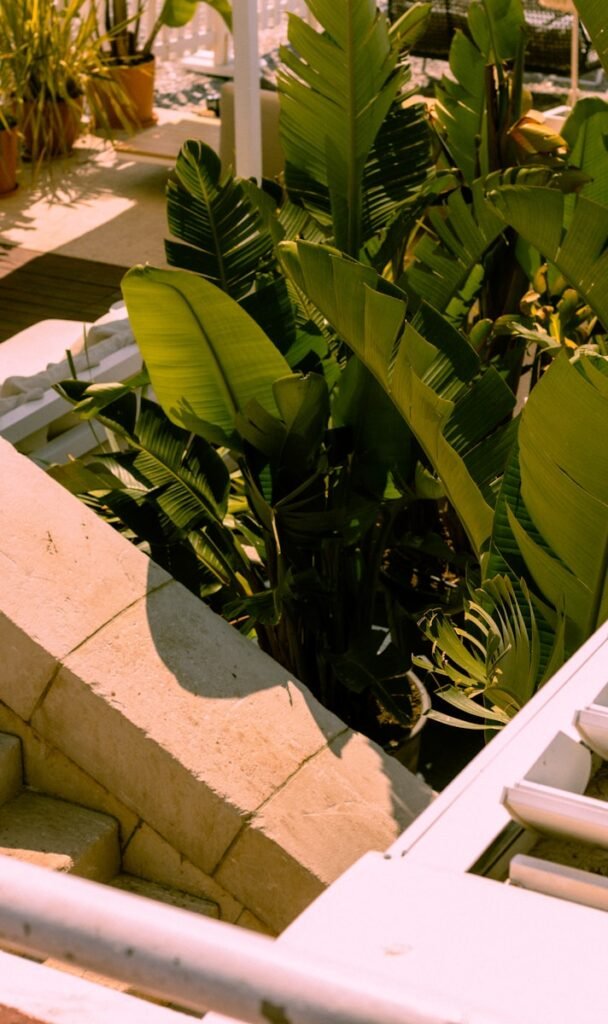
For any garden to thrive, every rooftop gardener knows healthy soil is a must. In rooftop gardens, you’ll need to take extra care with soil choice due to the weight considerations and the limited depth of containers or raised beds.
Lightweight Soil Mixes
Use a lightweight, well-draining soil mix specifically designed for containers. Avoid regular garden soil, as it can become compacted and doesn’t drain well in pots. A good mix includes things like perlite, coconut coir, or vermiculite — they help keep the soil nice and light.
Fertilizing and Composting
Since container-grown plants can exhaust soil nutrients more quickly than in-ground plants, regular fertilizing is crucial. Use organic fertilizers, like compost or worm castings, to feed your plants naturally. You can also start composting on your rooftop, using kitchen scraps to create a sustainable source of nutrients.
Pests and Plant Diseases
One of the common challenges in any garden is dealing with pests and diseases, and a rooftop garden is no exception. Roof-top gardens are less prone to some pests because of their elevated location. However, here are some names of the common roof garden pests and diseases, what they can do to your garden, and their treatment.
Aphids
Small, soft-bodied insects called aphids are responsible for plant stunting and yellowing of leaves, which feed on plant sap. The use of insecticidal soap or neem oil is beneficial here.
Spider Mites
iny red or black insects that leave fine webbing on plants. They thrive in hot, dry conditions. In this case, you should increase humidity and regularly spray plants with water. You can also use horticultural oil or neem oil as a deterrent.
Whiteflies
Whiteflies feed on the underside of leaves. This insect is a small white moth. Yellow sticky traps and insecticidal soap can be effective in managing infestations.
Powdery Mildew
A fungal disease that leaves a white, powdery residue on leaves, stems, and buds. It happens in warm, dry conditions with poor air circulation. For resistance, you can apply sulfur or potassium bicarbonate-based fungicides.
Root Rot
It happens when there’s too much water and bad drainage—the roots start rotting and the plants droop. Use well-draining soil and avoid overwatering. If root rot is detected, remove affected plants and improve drainage.
Companion Planting
Certain plants can naturally repel pests. For example, marigolds can deter aphids, and basil can repel whiteflies.
Sustainability Tips for Your Rooftop Garden
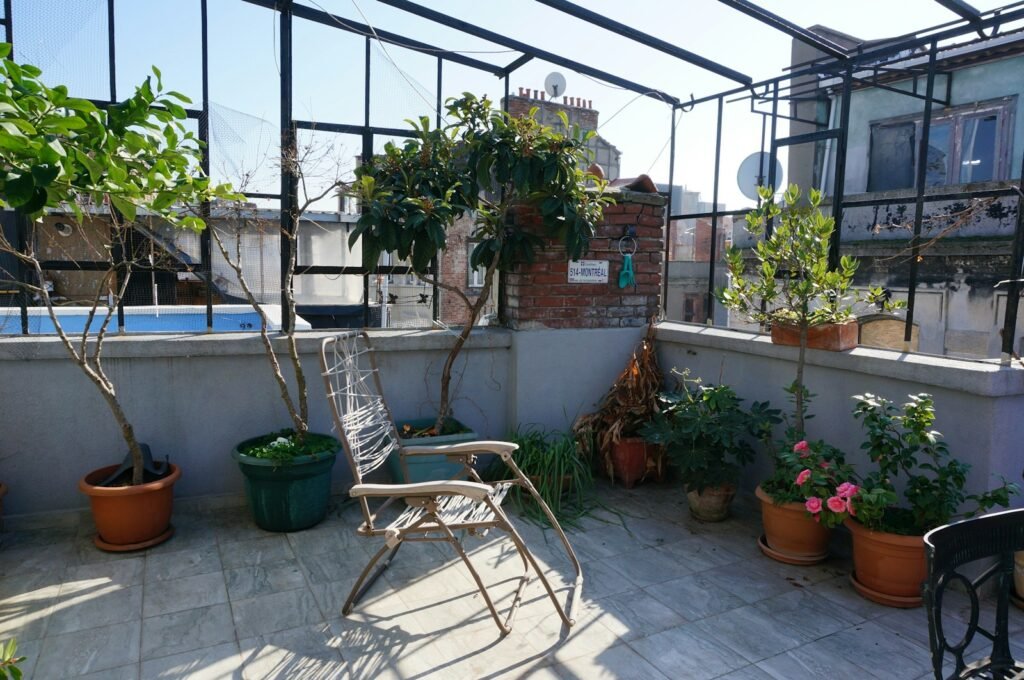
Sometimes we build gardens, enjoy the harvest, and feel proud, but they don’t always last. That’s why it’s important to focus not just on creating a garden, but on making it sustainable. A sustainable rooftop garden helps the environment and keeps your garden healthy with less waste.
Rainwater Harvesting: If your roof can collect rainwater, you should add a rainwater collection system to store it. You can store rainwater in barrels and use it to irrigate your garden. This reduces your water consumption and is an eco-friendly solution.
Energy-Efficient Features: Energy-saving features in a rooftop garden can cut energy use and make the space more useful. Here are some energy-efficient features you can consider for your rooftop garden.
Green Roof Layers: You can use a combination of waterproofing and insulation layers below the garden bed to prevent heat loss or gain through the roof. Green roofs act as natural insulators, reducing heating and cooling energy needs for the building below.
Solar Panels: Installing solar panels can harness sunlight to power irrigation systems, garden lighting, and other equipment, making the rooftop garden energy self-sufficient.
On-Site Composting: Our next topic is to create a composting system to recycle organic waste. It is a highly taken subject in any rooftop garden maintenance guide. It’s a next-level strategy. You can use nutrient-rich soil from your own garden and recycle organic waste. This way, you won’t need as much chemical fertilizer, and you’ll also save the energy used to transport waste.
Lightweight Materials: Use lightweight, energy-efficient materials in your garden. They lessen the load on the building, reducing the need for additional structural support, such as wood and plastic.
Green Walls and Vertical Gardens: Installing green walls or vertical gardens can reduce the building’s heating or cooling needs.
Smart Irrigation Systems: Although you don’t need a modern roof to design this smart system, it could be a bit expensive. You can install automated, sensor-based irrigation systems that monitor moisture levels, prevent overwatering, and reduce water waste.
Some Different Types of Rooftop Gardens
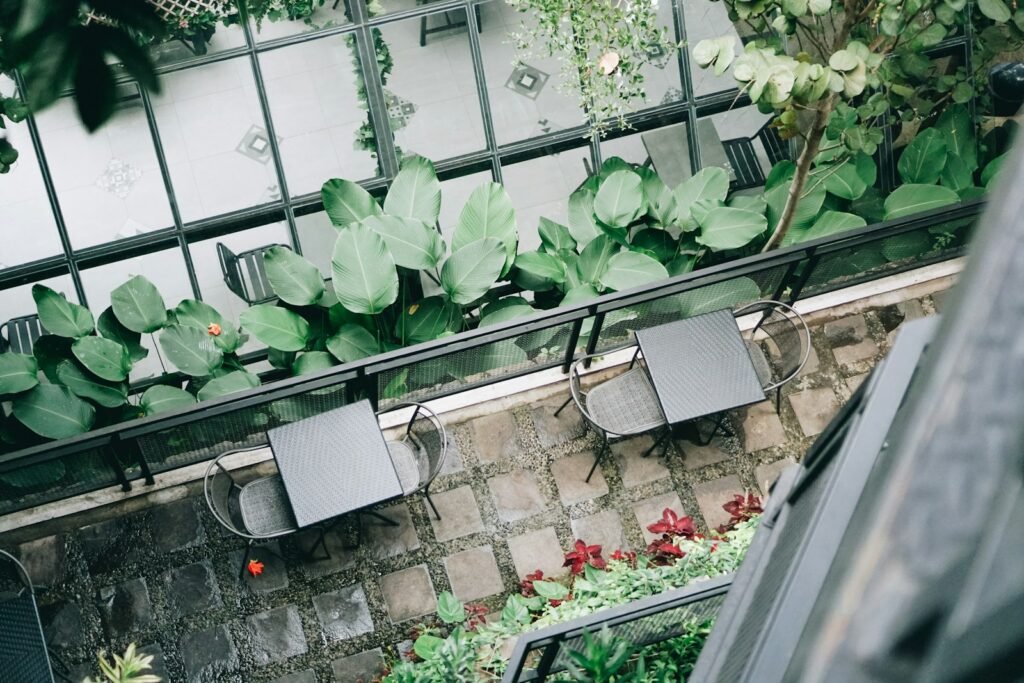
Well, what happens if the circumstances are opposite position for you how to build a terrace garden or rooftop garden? It could be anything, you know, it could be the building structure or permission, or building position, or if you don’t have even a flat terrace, what happens next? In this case, I have some options where you can plant, so let’s have a look.
Green Roofs: In this garden, a layer covered with vegetation is placed over a waterproofing system installed on a flat or slightly sloping roof. Such gardens require advanced planning. These roofs are called eco-roofs, and they convert unused roof space into a thriving garden or green area. There are two classes of green roofs: extensive and intensive. Whatever type you use, they both require maintenance. Green roofs have several layers that work together to support plant life while protecting the building beneath.
Vegetation Layer: This layer is the upper layer where vegetation grows, depending on the depth and maintenance level of the substrate.
Growing medium: This layer consists of lightweight soil. This layer is engineered to hold enough moisture for the plant while it needs proper drainage.
Root Barrier: This is a protective layer that prevents plant roots from penetrating the waterproof membrane. As a result, the tree roots do not damage the roof structure, and the roof structure remains intact.
Drainage layer: This layer helps excess water escape from the roof and prevents waterlogging. It is often made of lightweight plastic or gravel.
Waterproofing Membrane: The waterproofing membrane is a very important layer. This layer is used to protect the building from water penetration.
Carport Roof Gardens: If you have a carport, you can have a garden. Carports often provide ample space for gardening. With a lightweight structure, you can create a great carport garden using some lightweight materials. You can add pots, containers, and planters to make the most of unused space. Maximum and perfect utilization of this unused space can be done only by creating a carport garden. If you have not thought about this place, then now is the perfect time to think about it.
Designing Pathways and Functional Zones
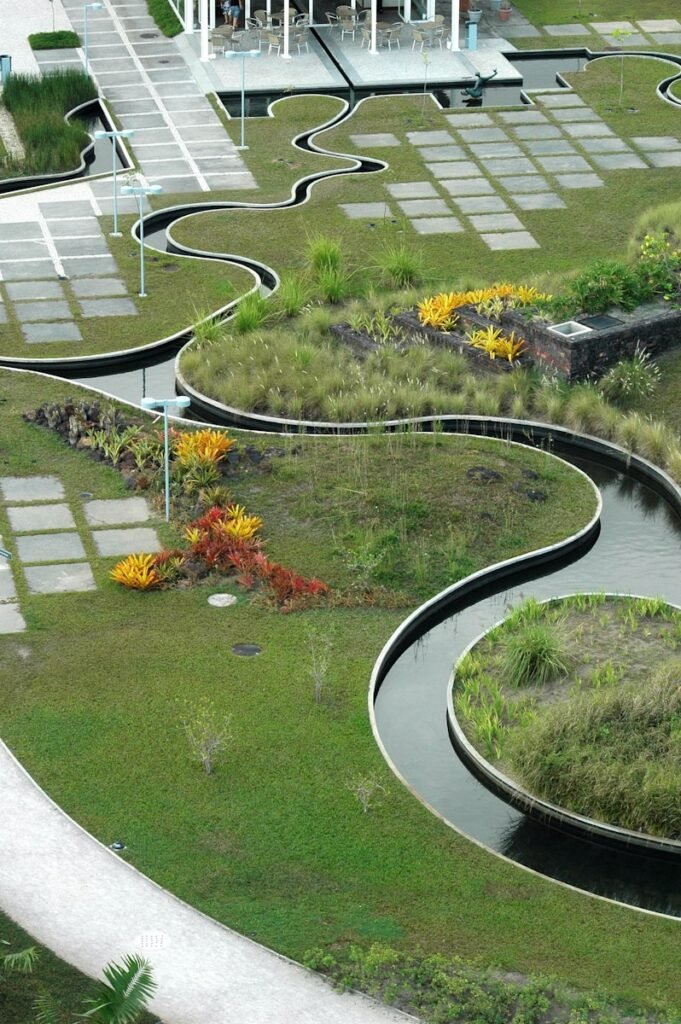
A well-thought-out design is crucial when creating a rooftop garden. You need to ensure that your garden is highly functional and practical as well as aesthetically pleasing. Carefully planning the layout helps you make your rooftop look nice and work well, so it’s a comfortable and useful space.
Pathways: One of the most important aspects when designing a roof garden is to include clear, well-defined paths. Would you like to be able to move easily throughout the garden without stepping on or disturbing the delicate plants growing in your garden? If you’re taking care of plants, enjoying the view, or walking around the garden, you’ll need good paths to move easily. These paths make your rooftop garden easier and nicer to use. To reduce the structural load on the roof, use lightweight materials such as pavers, gravel, or decking boards. These materials give you useful paths to walk on and also make your garden look better.
Functional Zones: To make the most of your roof garden, it is useful to divide the space into different functional zones. By doing this, you can designate specific areas for different activities. You can create a lounging zone to enjoy the surroundings. This can include comfortable chairs or a small outdoor sofa. Decorate a small dining area where you can host meals. A small table and chairs can be set up for an outdoor dining area or afternoon tea for family and friends. Finally, establish a gardening area where your plants can thrive. By separating your gardening areas from the rest areas, you can keep your garden organized.
Conclusion: At last, we are heading to this blog conclusion. With proper planning and care, rooftop gardening can become a rewarding project. Connect yourself with the environment. Let us paint the roofs of this concrete city with living green. So what are you waiting for? Assess your roof, grab some pots, choose your favorite plants, and start transforming your roof into a green jungle from today. With a little effort and some right rules and decisions, you can transform your rooftop into a vibrant and sustainable escape from the urban grind.