

Urban gardening means growing plants and vegetables creatively in the city. If you live in the city and want to grow your own fresh vegetables, learning how to start an urban garden is the perfect first stepYou don’t need a big yard or expensive tools—just some creativity and interest. You can grow herbs on a windowsill, vegetables on a balcony, or use a small front yard for a garden bed.
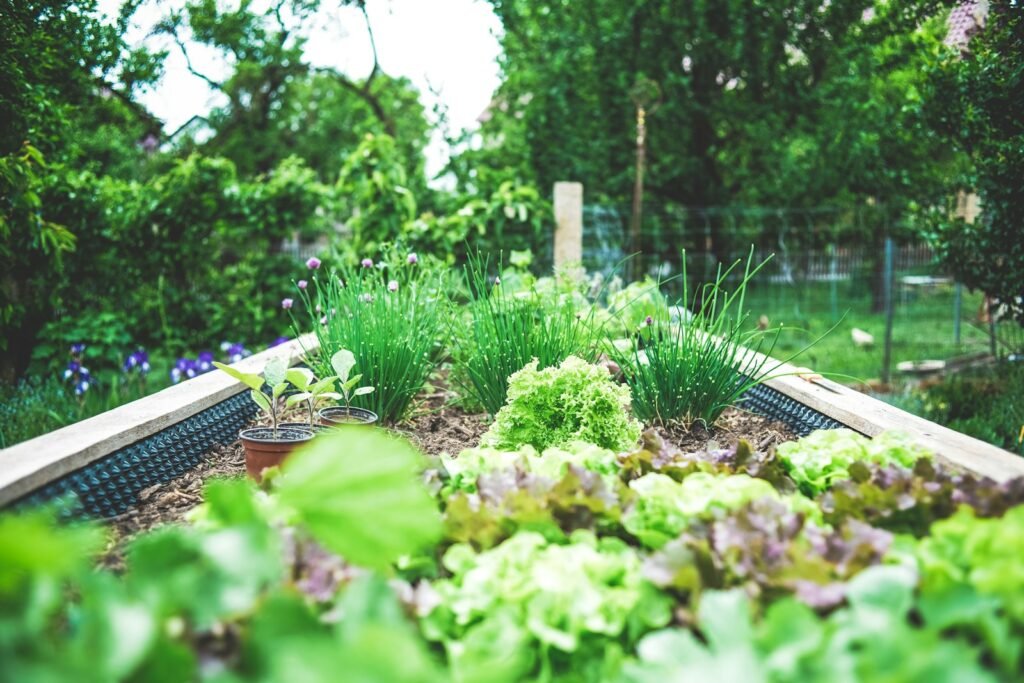
The Concept of Urban Gardening
The best part about urban gardening is how it transforms empty spaces into green and productive places. Roofs, balconies, and alleys are mini-oases that bring life to concrete spaces. Not only do they look great, but they also give you fresh produce, cleaner air, and the chance to reduce stress.
Urban gardening is far from a weekend hobby; it’s a growing movement. It enhances food security, makes communities stronger, and even helps the local economy. In a world where land is limited, city gardening shows that everyone—even in the most populated cities—can reap the benefits of having their own garden.
Let’s learn about the benefits of urban gardening.
Benefits of Urban Gardening
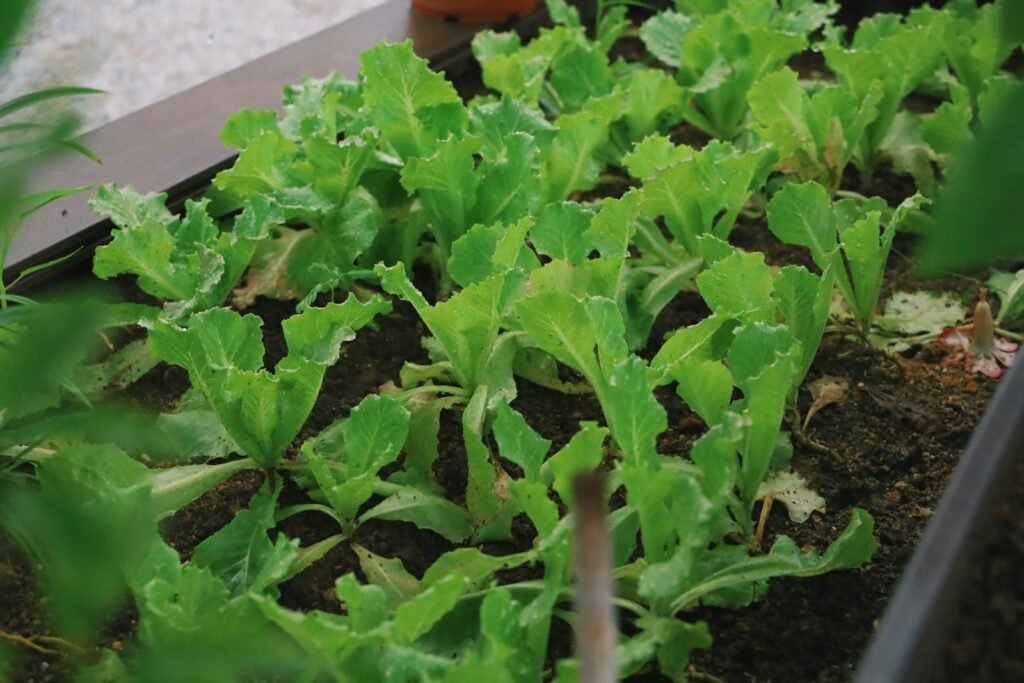
Urban gardening is not just sticking a few ornamental plants in the ground—it has significant advantages to your daily life. One of the best benefits is fresh vegetables in your front yard. Imagine stepping outside to pick basil for spaghetti or grabbing a ripe tomato for a salad. No extra trip to the market, and you can be sure of what grew your food. That’s healthier and more satisfying. The benefits of urban planting go beyond the plate. Planting greenery helps freshen the air, cool down hot city spots, and soften loud noises. For others, having an urban farm or small garden is a way to relax and de-stress in the city. It’s as if having a bit of nature nearby. Urban gardening is also empowering. A student planting herbs, a refugee creating a small safe space, or a woman earning money and supporting herself—all can feel empowered through gardening. The urban gardener is not simply growing plants, but also courage, community, and resilience. Most of all, it’s fun. Big or small, your garden reconnects you with nature and lets you enjoy the pure pleasure of having grown something yourself.
Good Impacts of Urban Gardening
Urban gardens are more than just pretty patches of green in the middle of a busy city. They’re a win for both people and the earth we live on. If you’ve ever wondered what is urban farming, it’s basically the practice of growing food in small city spaces—rooftops, balconies, backyards, or even community plots. And trust me, the impacts are huge.Practically speaking, growing your own food on the site saves the carbon footprint. Think about it this way- when you consume vegetables that have been harvested from your balcony or a local garden instead of buying them from the market, you cut out all the trucks, gasoline, and packaging that usually bring food onto shelves. Less transport – less pollution, which is a huge gain to the earth.Urban gardening also plays a huge role in reducing food insecurity. Many city neighborhoods, especially those that are low-income, have limited access to fresh, healthy fruits and vegetables. By developing a people’s garden, individuals are able to bridge the gap and offer healthy options for families at their doorstep.
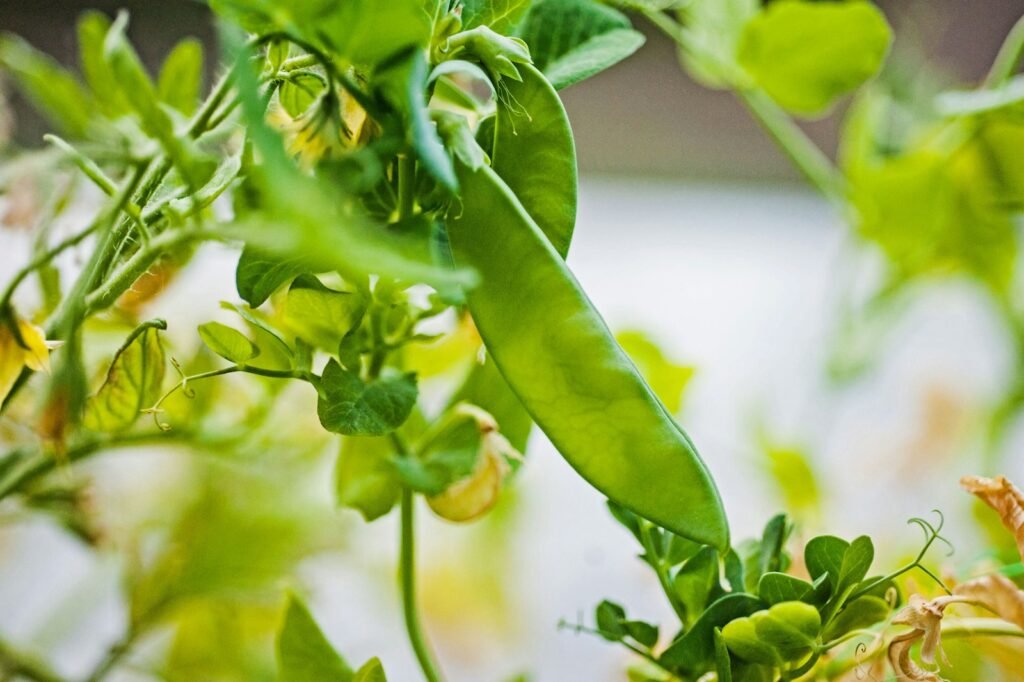
The benefits reach far beyond crops, too. Urban gardens can breathe life into abandoned areas, making them vibrant and useful again. A vacant lot can be a block garden where neighbors meet, share vegetables, and become better acquainted. Tarred-over roofs that previously trapped heat become green, sun-shaded oases, and even tiny patches of lawn welcome butterflies, bees, and birds, which animate the city.
And let’s not forget the personal enjoyment. Gardening teaches patience, responsibility, and nurturing. For kids, it’s a hands-on lesson on where food really comes from. For adults, it’s a stress reliever—a peaceful oasis from monitors and city clatter.
Deep down, urban agriculture is about more than just planting vegetables. It’s about growing healthier people, greener neighborhoods, and more sustainable communities.
Starting an Urban Garden
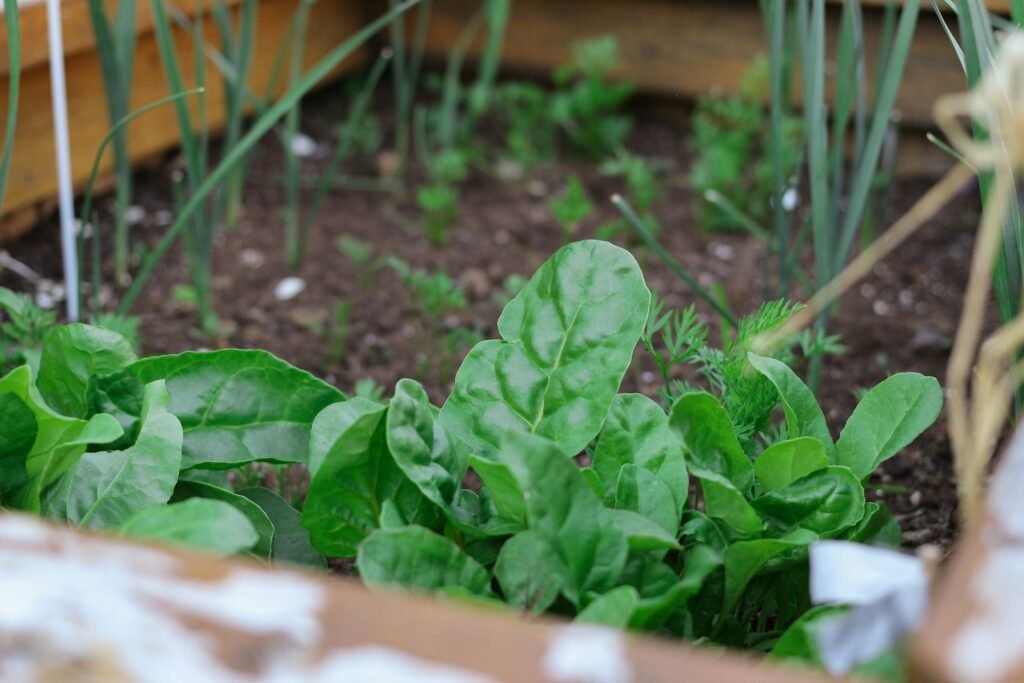
Start with Small Planning
When it comes to city gardening, the greatest advice is simple—slow down. Sit down for a moment and take stock of the space you have. Is it a sunny balcony, a rooftop nook, or simply a windowsill with some sunlight hours? Whatever it is, that spot can be where your garden starts. See how much sunlight your plants could receive, then decide which containers or hanging baskets would fit best.
Begin small. An herb container, a handful of sprigs of green leaves, or a solitary tomato vine is enough to start with. Once you have seen them germinate and grow, you will be tempted to plant some more in the future.
It’s also a good idea to think about your way of life. Busy? Use low-maintenance plants like mint, lettuce, or aloe vera. Foodie? Grow your staples—basil, rosemary, or cilantro. For convenience, have a basic watering reminder. And if your space is tight, stackable planters or railing boxes will provide space savings and look great.
How to Get Creative: Making Your Own Urban Garden
Starting an urban garden is likely the most exciting way of bringing nature close to your daily life. With some imagination, you can turn even the tiniest of areas into a productive and beautiful haven. The secret is to discover how to look at your limitations—like a tiny balcony, a tiny rooftop, or even a sunny window—less as obstacles and more as opportunities. For the modern urban gardener, it’s about marrying clever use of space, sustainability, and aesthetics with something that is very much your own.
Make the Most of Vertical Space
One of the smartest urban garden ideas is to head upwards. Vertical garden allows you to convert empty walls, railings, or fences into green, productive areas.
Pallet gardens: Wooden pallets are simple to repurpose as layered planters. Stand one against a wall or hang it, and add herbs, succulents, or even flowers. It’s useful and trendy.
Hanging shoe organizers: You can’t believe it, but a humble fabric or plastic shoe organizer can become a small vertical farm. Each of the pockets can be packed with soil and seeds, providing you with a neat and streamlined method of cultivating greens or herbs.
Ladder planters: An old ladder can serve as a tiered display for pots and trays. This not only saves space but also creates a unique focal point for your garden.
With vertical gardening, you’re not just saving space—you’re also building a little wall of life that makes your home feel fresher and more alive.
Get Creative with Containers
Traditional pots are great, but when you’re growing home urban farm, it pays to think outside the box. Almost anything that can hold soil and drain water can become a planter.
Wooden crates: Wine or soda crates add rustic charm and can be stacked or arranged for variety.
Used bottles and cans: Plastic bottles or tin cans cut into pieces are excellent small houses for flowers or herbs. They’re easy to customize, cost-effective, and environmentally friendly.
Vintage finds: Old birdcages, colanders, or even a vintage tool caddy can be garden showstoppers. They add character and history to the garden and make it feel more unique.
Upcycling not only saves money but also brings a crafty, unique element to your city garden design.
Add Sustainable Technology
Urban gardening innovation is not solely about looks—it’s also about making your garden sustainable and low-maintenance. With the use of sustainable technology, you can save time, be resource-efficient, and have healthy plants.
Hydroponic and aquaponic systems: These methods let you plant without using soil. Hydroponics depends on water that contains nutrients, and aquaponics depends on fish paired with plants in a symbiotic system. Perfect for inner-city farming where soil may not be present.
DIY self-watering planters: Using upcycled bottles, you can create simple systems that provide water to your plants. Especially helpful on warm days when pots dry quickly.
Urban composting: You can turn kitchen garbage into rich fertilizer even in minimal space. A worm compost bin or mini indoor system will give you solid soil while minimizing waste.
Smart watering systems: Moisture sensors and computerized watering devices eliminate the guesswork of watering plants. They save water and provide your plants with just the right amount.
Design with Purpose and Style
A successful garden is not merely a matter of what you grow—it’s also about how you feel about the place. By combining plants with smart design, you can turn any corner into a serene sanctuary.
Mini urban food forest: If you are so lucky as to have a yard or community garden plot, consider planting native shrubs, perennials, and trees for future crops.
Themed gardens: You can plant a “cocktail garden” with herbs for your drinks, or a pollinator garden to get the bees and butterflies coming. These intimate themes give your garden personality and importance.
Multifunctional furniture: Garden benches with pots or rolling pots enable you to change positions and adapt your garden to suit.
Strategic Lighting: Solar string lights or lanterns add whimsy and make your garden magical at sundown, and highlight your most treasured plants.
Start Small, Grow Big
Just keep in mind, city gardening isn’t about following the book. It’s about experimenting with what you already have and having fun. From hanging herbs in a shoe rack, to hydroponic experimentation to arranging crates into a planter wall, the small efforts count.
Urban gardening is creating an intimate refuge where nature and city harmonize. Start small, stay dedicated, and allow your garden to grow alongside you.
Knowing Some Common Problems
Urban gardening is rewarding, but like with everything, there are problems. Planning to garden on a rooftop, sidewalk, or shared apartment space? Make sure to check the rules or ask your landlord before you start. There might be restrictions where you live. Then there’s space. Urban living is often in close proximity. But even without a yard, you can go upward, use windowsills, or install hanging planters. Another simple problem? Neighbors. Some plants run amok and over fences, or import the bugs. A little chat and some respect for boundary lines can fix all that. Also, be careful of weight on balconies or rooftops. Soil and pots weigh a ton—ensure the building can bear it. And in city centers, where it is dense, bugs and pollution could be an issue. Use organic pest control practices and urban-tolerant plants that can handle such air. A little forward planning keeps these matters small and under control.
Types of Urban Gardening
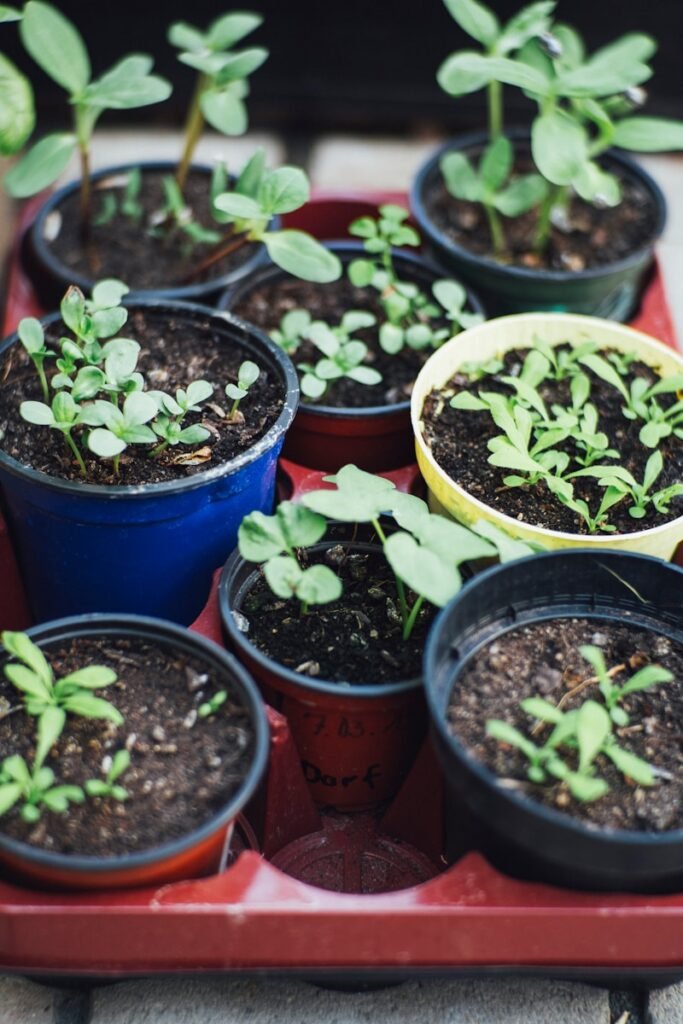
Urban gardening takes many forms. Some of the most popular ways to bring green into your urban area are:
Vertical Gardening
Vertical Gardening is perfect for small areas! Make use of wall containers, trellises, or hanging pockets to encourage plants to grow upwards instead of outwards. Herbs, strawberries, and climbing vines do well this way.
Container Gardening
This is one of the easiest forms of urban gardening. Baskets, buckets, and pots—anything with a hole in the bottom for soil and water—will work. It grows well on patios, balconies, or even at your doorstep. You can plant with Earthboxes; it’s a super smart solution for busy urban gardeners.
Raised Bed Gardening
If you have a front or back garden, raised beds are perfect. They hold your garden in place and your plants in line while giving them deeper soil and better drainage. And they’re easier on the back when planting or weeding.
Rooftop Gardening
Have a flat roof? Turn it into a green retreat! Just check weight limits and sunlight. Add some pots, benches, and shade, and you’ll have a cozy rooftop garden to enjoy.
Windowsill and Balcony Gardening
Even a small windowsill will hold flowers or herbs. On a balcony, consider a small fruit tree in a pot, or hang some railing boxes, or plant lemons and chilies in vertical planters.
Front Yard and Backyard Gardening
If you have any yard space at all, use it. Interplant vegetables with flowers for a lush, colorful flower garden in the city that feeds both eyes and stomach.
No matter which method you decide to use, think about your space, sun, and climate. There is always hope to create a green space you will love.
Community Garden: The Magic of Growing Together
A community garden is more than a place to grow crops. It’s where individuals gather, share tips, savor fresh fruits and vegetables, and make friends. What is a community garden? It’s a city lot shared by all where anyone can plant vegetables, herbs, or flowers. These gardens not only increase local food supply but also make urban landscaping more beautiful, turning vacant lots into grassy, colorful spots.
How to start a community garden? First, obtain the proper plot and obtain approval from your local government. Second, recruit neighbors or friends who will help out. Plan the design, choose what to grow, and make provision for simple tasks like watering and composting. With cooperation and nurturing, a community garden will flourish, with fresh vegetables and fruits, pleasantness, and a feeling of belonging to all members.
Basic Gardening Tips
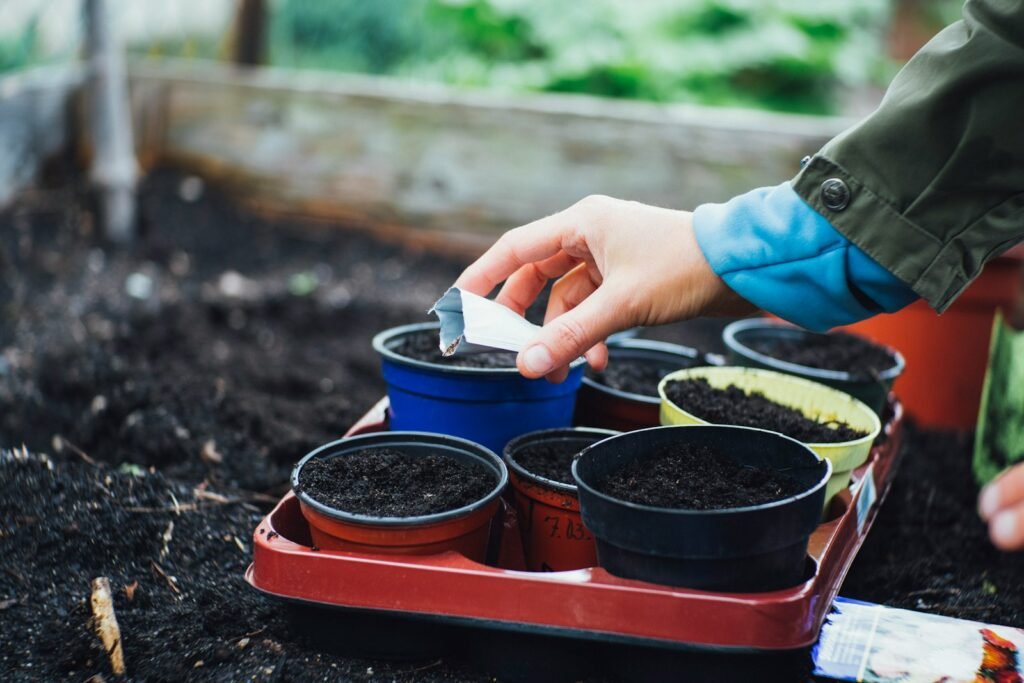
A little planning ahead rewards a well, healthy garden. Urban gardening works if you follow a few basics:
Soil
Use high-quality potting soil, rather than garden soil. Mix in compost for nutrition. For planters, make the soil drain yet remain moist. You can see some YouTube videos; it’s quite helpful.
Sunlight
The majority of vegetables and herbs need 6–8 hours of sun daily. Review your site during the daytime to choose the brightest spots.
Watering and Drainage
Regular watering is important. Pots dry out quickly, particularly in the summer. Ensure pots have drainage holes at the bottom—wet roots are grumpy roots.
Pest Control
Employ natural pest control wherever possible—neem oil, garlic spray, or planting marigolds to repel insects. Maintain a clean urban garden to prevent infestation.
Home Composting
Breathe new life into household waste. Banana skins, vegetable scraps, coffee grounds—all compost material. Even in tiny apartments, it is possible to compost with an enclosed bin or worm tower.
Seedlings and Seasonal Plants
Choose your plants based on your area’s climate and seasons. Start with fast growers like lettuce, radish, or spinach. Once you have experience, try tomatoes, chilies, or eggplant.
Choosing Plants for Throughout the Year
Design a mix of summer, winter, and all-season crops. This makes your garden active and engaging throughout the year.
Plant Sizes and Space
Avoid crowding. Give each plant room to grow. Refer to seed packets or plant markers to determine how much space they need. Taller plants can go in the back or be trained up.
Enjoying Your Succession
Succession planting is the planting of new crops as others are being harvested. This will keep your garden yielding all year round. For example, after radishes are harvested, plant beans. Follow lettuce with carrots. It’s a great way of sustaining food without expanding space. You just turn and replant within the same space. Take heed of the seasons and your climate—some plants adore spring, others summer or autumn. This keeps your garden producing, and there’s always something new to look forward to.
Write A Journal
A garden journal might be old-fashioned, but it’s actually helpful. Jot down what you’re planting, when you notice it grows, how much sunlight it gets, and when you water it. Mark down any problems, like pests or yellowing leaves. Over time, you’ll notice patterns—like which plants do best, or which corner gets more sun. Your journal becomes your personal gardening guide. Use a notebook, a phone app, or even a calendar. Add in photos if you wish—it’s nice to look back and notice how much your little garden has grown. Keeping a journal is a simple step in learning how to establish a farm or even just manage your home garden more successfully
Conclusion
Creating an urban garden might be a small action, but its effect creates ripples in a big way. It brings fresh produce closer, beautifies your surroundings, and helps the environment. More than anything, it gives you something concrete and rewarding to take care of. You don’t need acres of land or years of experience—just a little sun, some pots, and a lot of love. Whether you’re growing herbs on your windowsill or turning a rooftop into a veggie paradise, it all counts. Urban gardening reconnects us with nature, food, and each other. So get started—dig in, plant a seed, and let your urban life grow a little greener, one sprout at a time.
4 thoughts on “How to Start an Urban Garden: Your Friendly Guide to City Gardening”