

Urban farming has become well-known and popular over the past decade. When we get excited about new AI, we also talk about growing food in cities. The COVID-19 pandemic really showed us how crucial it is to have a reliable food supply. This made people think
more about city farming. Discover the best benefits of urban gardening, from growing fresh organic food to reducing stress and creating a greener, healthier city environment.Our world is dealing with El Niño, hunger, and disease, so it’s not surprising that another pandemic has happened. Growing food in cities helps protect the environment and makes sure we have enough to eat. This is the time to grow a relationship with urban agriculture and build a green city.
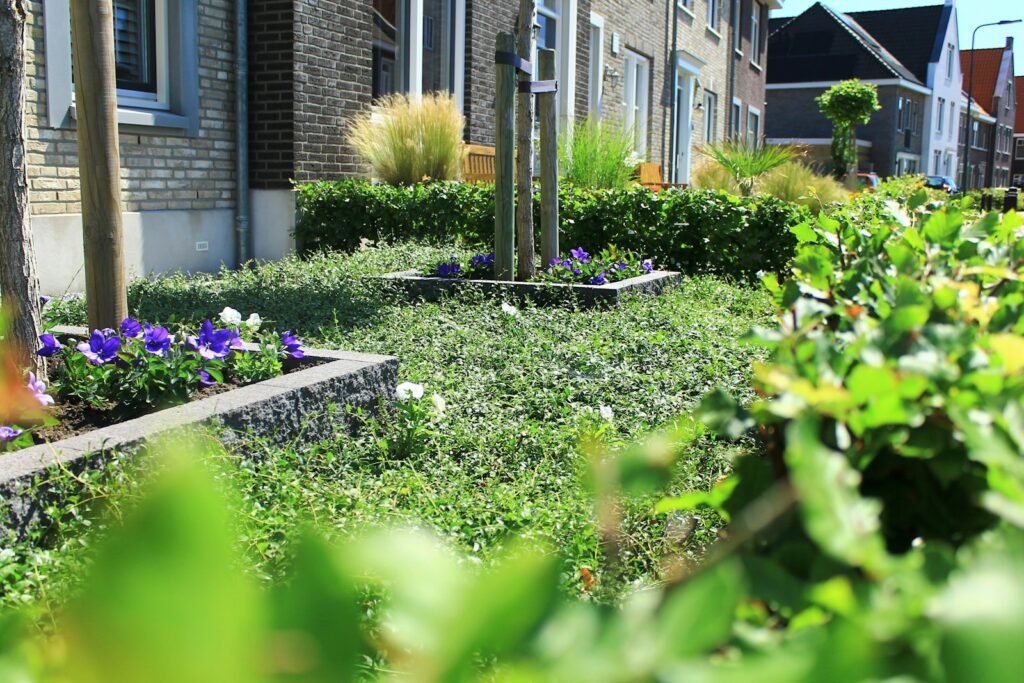
Is Urban Farming Just A Hobby
Urban garden cities around the world have experienced a thriving movement. Urban gardening isn’t just a hobby anymore. The benefits of the practice of urban gardening are being realized not only by individuals but by entire communities. Whether it is a rooftop farm, community plot, balcony, container, or vertical vegetable garden, urban gardening is a practice that encourages people to consider food, sustainability, the places they live in, and where the food on their plates comes from. It’s a response to modern city life and all the challenges that come with it. But what exactly makes it so appealing? Let’s explore the benefits of urban gardening and understand why it is becoming an important part of our urban future.
Why People Choose Urban Farming
You may think gardening is good, but where is the place to plant seeds? I am living in an apartment. It’s true that as cities grow and green spaces get smaller, it’s hard to find room for nature. But people and communities have come up with smart ways to grow gardens in cities—on rooftops, balconies, shared spaces, windows, and even on walls. Having green plants around and growing fresh food can make everyday life happier.
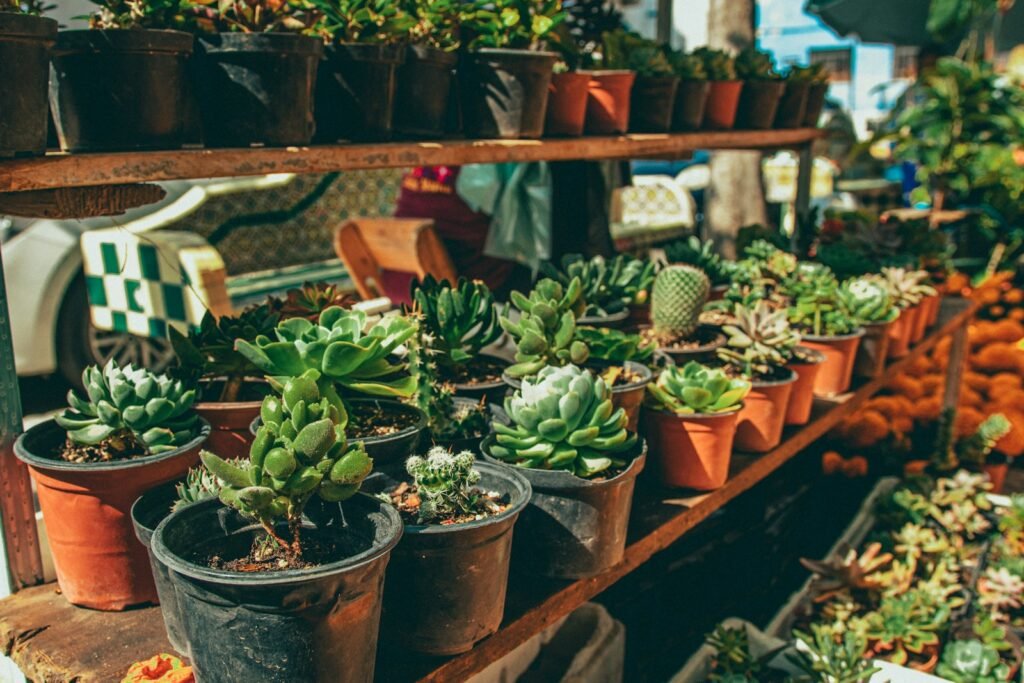
People don’t just garden in cities to avoid store-bought vegetables. It’s also a way to deal with climate change, pollution, and to live in a more eco-friendly way. City people now see that urban farming benefits not just individuals, but whole communities. It gives more than just fresh tomatoes or herbs—it also brings social, environmental, and money-saving benefits that help make cities better places to live.
Community Building Through Urban Gardens
I feel happy to write about this community because of the purpose of this community planting and creating green. In cities, people can often feel alone or disconnected. But community garden benefits help bring them together. These gardens are places where people work as a team, share ideas, and grow something lasting and sustainable.
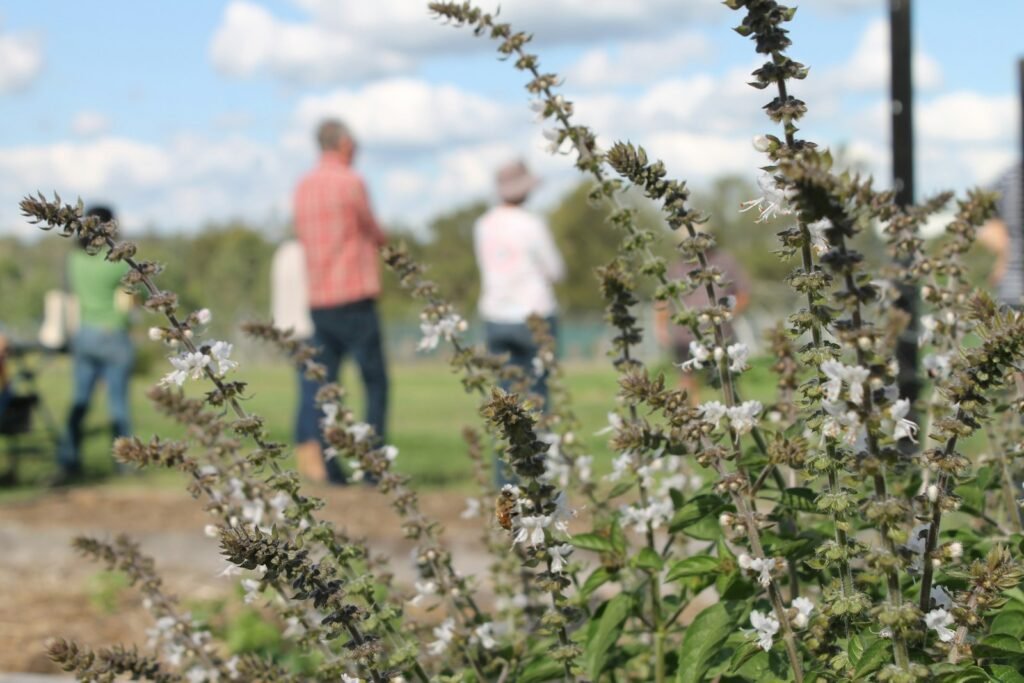
These shared spaces break down social barriers. People of different backgrounds—age, race, and socioeconomic status—come together to nurture the same soil. Collective efforts in such spaces create stronger, more connected communities. As a result, these gardens contribute to healthy social networks and provide opportunities for people to experience a sense of belonging, which is crucial for emotional well-being.
Consider the Urban Garden Center Portland, which offers more than resources to help residents create their own gardens but also hosts events, workshops, and networking opportunities that build a strong sense of community.
In cities like Portland, the rise of urban garden centers plays a key role in encouraging these community-based initiatives. Portland’s initiatives, including various community garden programs and support from local government, show how cities can adopt urban gardening on a larger scale. By doing so, they ensure that every citizen has access to fresh food, green spaces, and the ability to participate in the collective effort to make the city more resilient.
Economic and Food Security Benefits
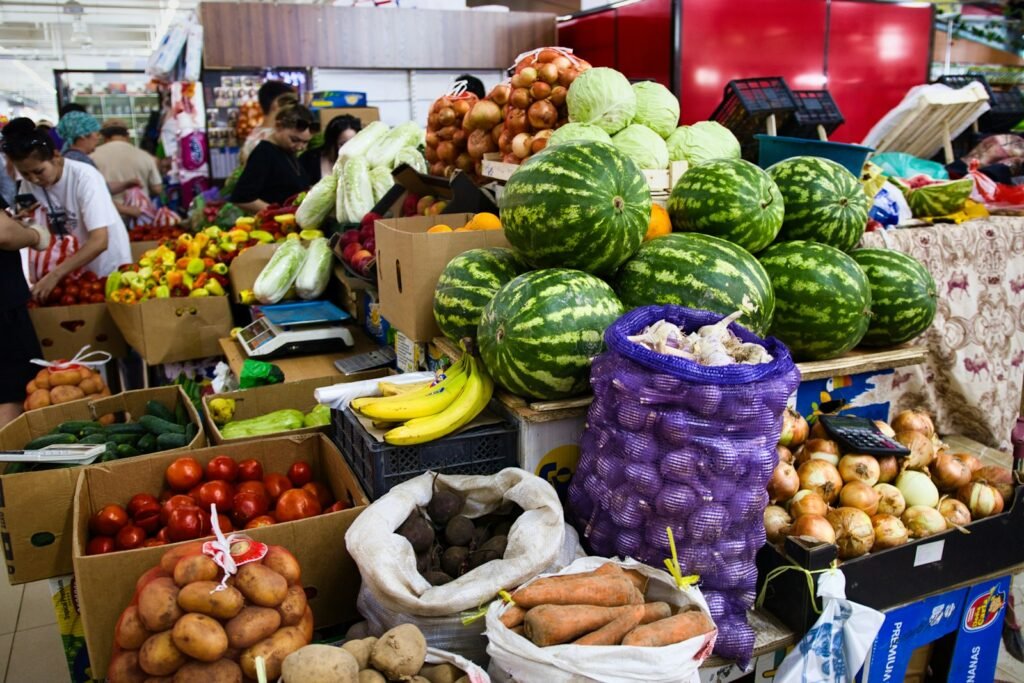
One of the key benefits of urban agriculture is how it helps boost food security, especially in lower-income city neighborhoods. Herbs, salad greens, and other vegetables are often expensive at the store if they are organic. Fresh, affordable produce can be limited there. Urban gardens give people fresh fruits, vegetables, and herbs right away, so they don’t have to depend as much on costly supermarkets or food banks. For many urban families, being able to grow their food not only provides healthier options but also savings on grocery bills. Urban farming also helps the economy by teaching people new skills. Growing food nearby can give a big boost to the local economy. It creates jobs like gardening, taking care of plants, delivering food, running farmers’ markets, and working at garden centers. It also encourages people to start their own businesses, since more and more folks want fresh, locally made products.
Biodiversity and Educational Benefits
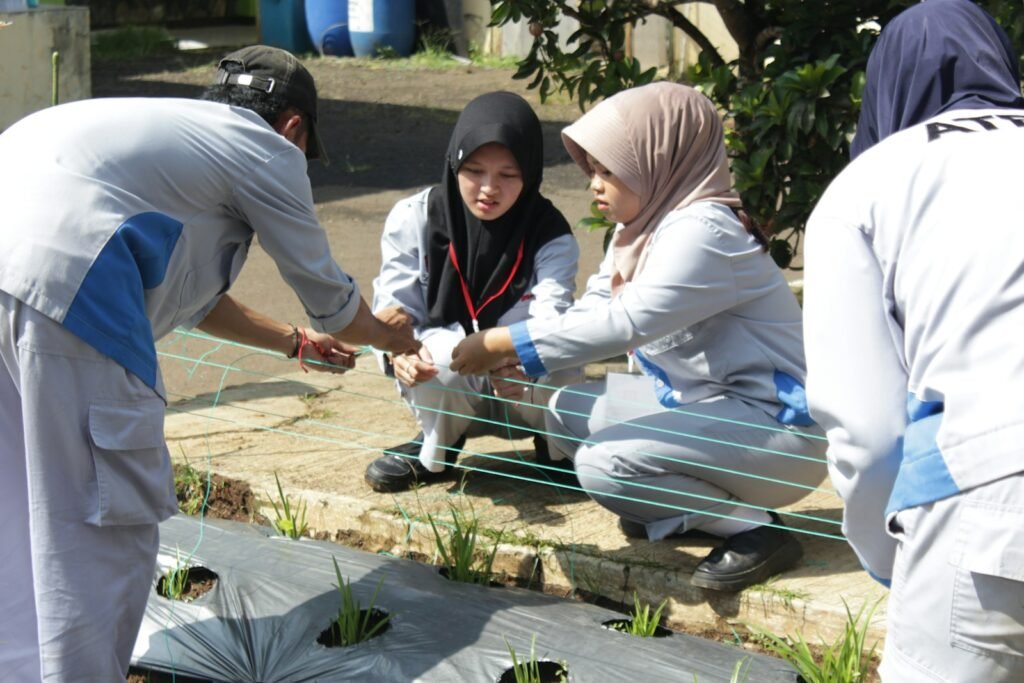
Urban gardens can create mini-ecosystems that support our little native wildlife. Bees, butterflies, and pollinators thrive in urban gardens, keeping the city’s ecosystem intact. By choosing native plants, herbs, vegetables, or flowers, you can help promote biodiversity by creating a small garden. Small, but still, you are contributing to the environment.
Urban gardens provide educational opportunities for children and adults. Gardening helps you learn responsibility, patience, and how to care for living things. Schools and community groups often use city gardens to teach kids about nature and how things grow. This is important because if we don’t show them, one day they might think carrots come from space instead of the ground! This kind of teaching is important. Without it, kids might think carrots come from space one day.
It’s A Dream Beyond Advantages
Beyond direct benefits, urban gardening enhances the overall aesthetics and livability of cities. Urban gardening could fill urban spaces with green and more attractive, livable, and comfortable for city residents. You will feel alive when the concrete walls of the vertical garden are filled with your favorite plants, or the fragrance of small flowers in balcony pots wafts into your room. It’s a beautiful dream, isn’t it?
Conclusion
Urban farming is a great way to reconnect with nature while living in the city. Adding green spaces to our cities helps us get closer to nature and makes our neighborhoods healthier and stronger for the future. Whether you grow a few veggies on your balcony or join a community garden, urban gardening has countless great benefits for everyone. The future of urban life is green, so why should we be late? Let’s begin gardening!