
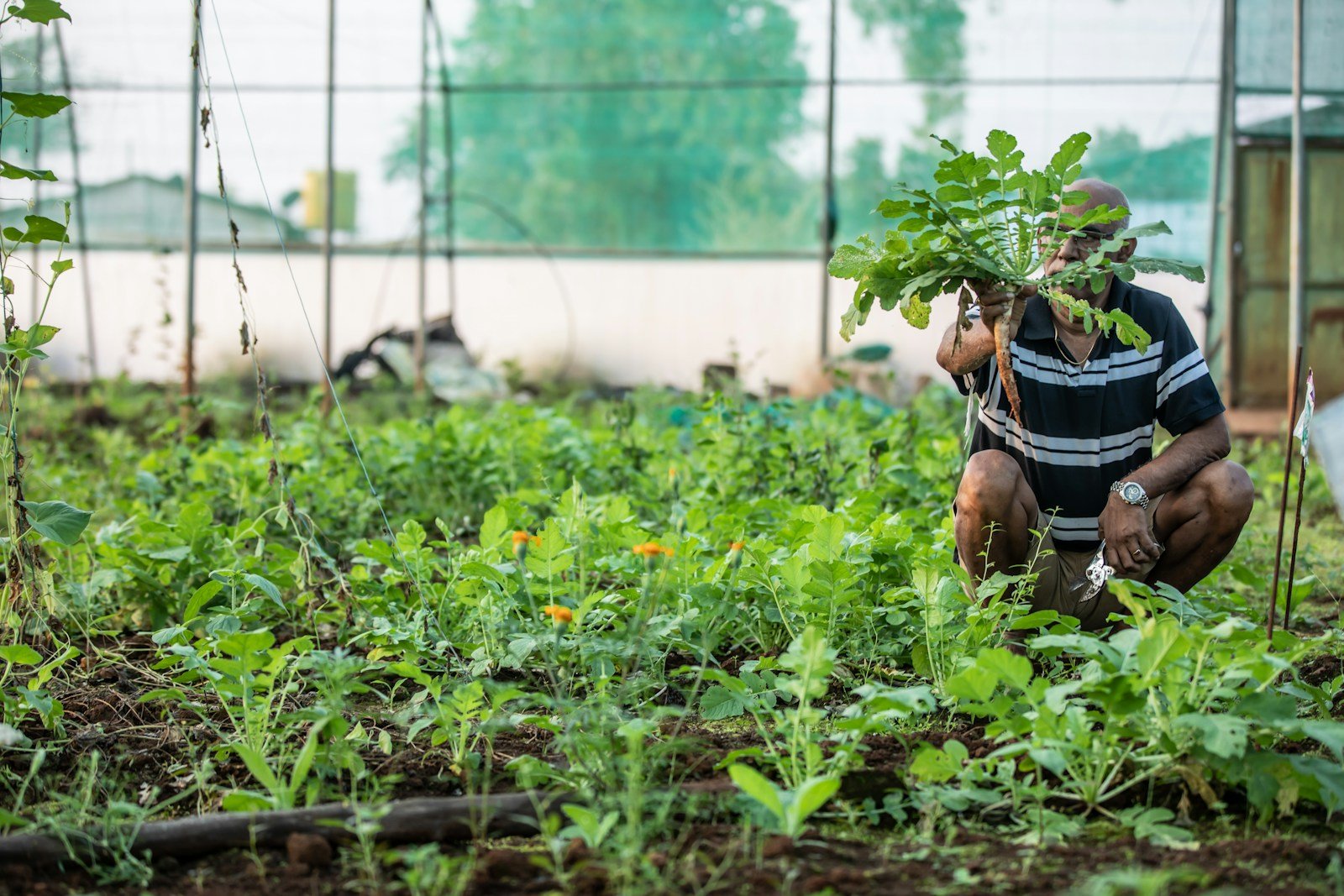
Can urban farming solve world hunger by turning unused city spaces into sources of fresh and nutritious food for everyone?
City life has some other level attractions. And I love city life. I love its lights, roads, highways, malls, and city people. Every day we fall into this stunning city’s addiction happily. But this is not the end of this story- the number of addicted people like me is increasing day by day. In the US, 80% of people live in urban areas, with only 20% in rural ones. If this keeps going, it’s expected that 89% of the population will be living in cities by 2050.
Enjoying our vibrant city life, we completely lost touch with our roots. What were our roots? We came from green spaces, fertile land, and agriculture, all were abundant with fresh resources. Yet today, it’s difficult to find any trace of that greenery or vitality in our modern world.
Ask a child a simple question—“How does a carrot grow?”—and chances are, they won’t know the answer. This illustrates how far we’ve drifted from nature. But what would happen to our modern lives if another pandemic struck? Where would our food originate? If the food supply chain collapsed, we’d face hunger, and all the comforts of urban life could disappear in an instant. It’s a wake-up call.
So, is there a way to protect ourselves? Could urban farming be the answer to creating a greener, more self-sustaining city life? To find out, let’s first understand what urban farming truly means.
What Urban Farming Is
World hunger is a persistent problem that affects millions of people worldwide. According to the United Nations, about 690 million people are hungry. Urban farming means growing and sharing food in or near cities, and it’s becoming a possible solution to today’s problems.
Urban farming means growing and producing food in cities or nearby areas. This can be done in many ways, like in home gardens, community gardens, or even on rooftops and empty lands. Some people even grow food indoors using new methods such as hydroponics, aquaponics, and vertical farming.
In this piece, we’ll look at how urban farming might help reduce world hunger. We’ll explore its benefits, the problems it faces, and what the future could look like.
Urban Farming and the Global Food System
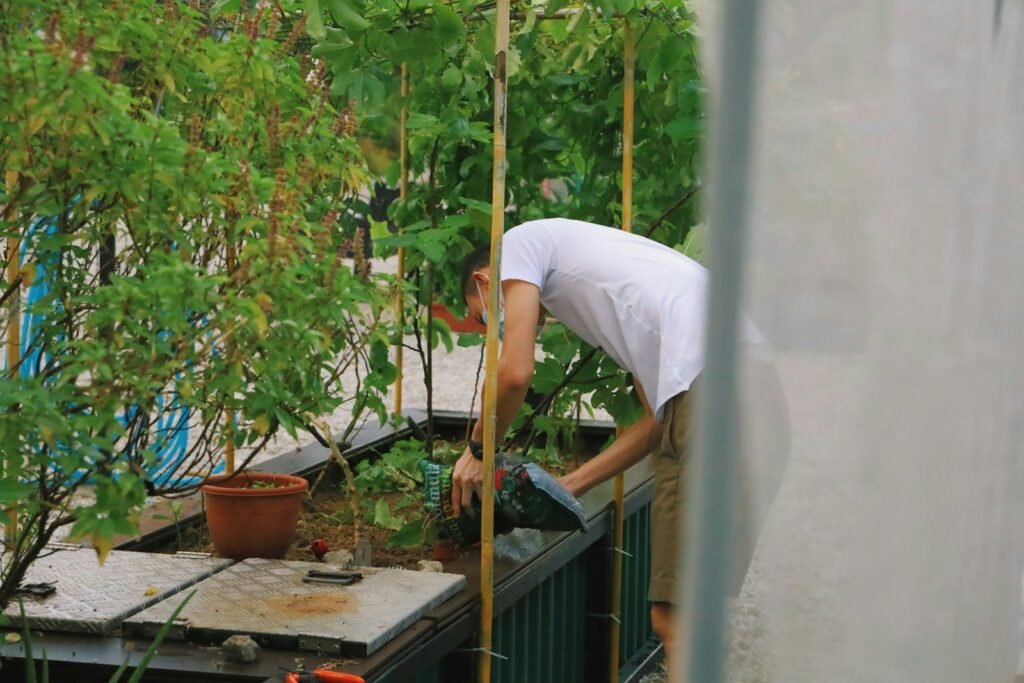
Urban agriculture, or urban farming, is not new at all, with its origins dating back to 3,500 BC. Farmlands were turned into homes and factories to support the growing population and the Industrial Revolution. Later, during World War II, people grew their own food in cities to boost spirits and meet food needs.
Urban agriculture can play an important role in a multifaceted approach to world hunger. Urban farming supports traditional farming by growing fresh food closer to where people live. This helps cut down transport costs and pollution. When cities include farming in their food systems, they can handle food shortages better. Urban farming also affects how people buy and eat food. When we grow and eat locally, we can cut down on waste and do our part for the environment. Urban farms can also teach people about food security and how to live more sustainably. Let’s explore the benefits of urban agriculture.
Benefits Of Urban Farming
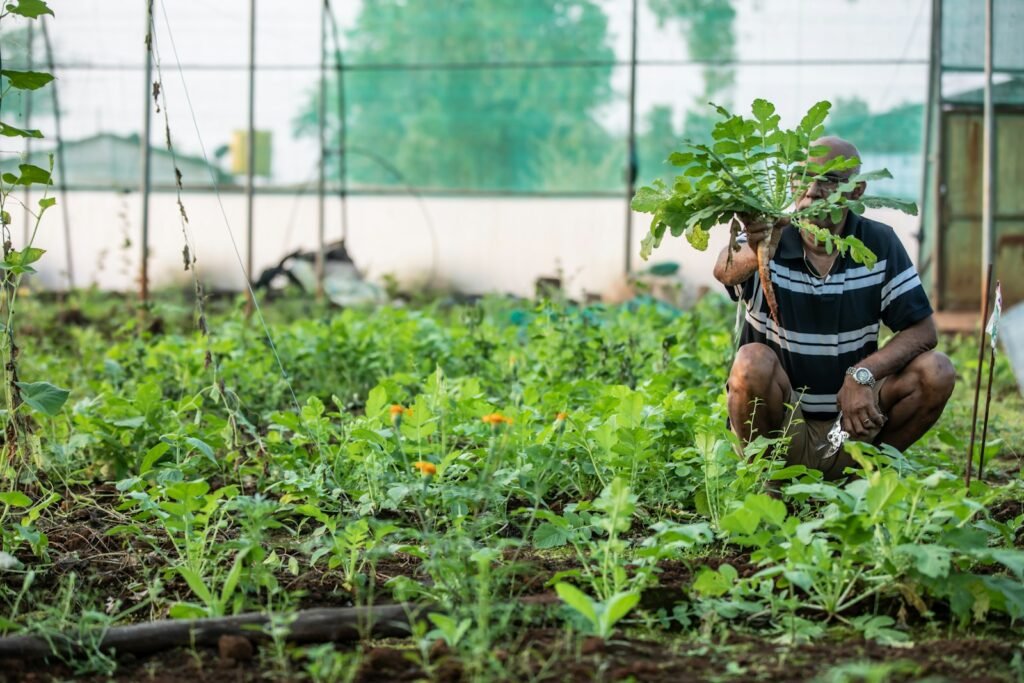
Improved and increased food security
Urban farming brings fresh fruits and vegetables closer to home, making our diets healthier and more varied. It also helps people eat better and avoid poor, tasteless diets often found in urban eating. Plus, since trees are our friends, urban farms add more green spaces, which cool down the city and support the environment. They use eco-friendly farming methods and help protect nature. Urban farming also means we don’t have to rely so much on farms far away, giving us more steady food supplies, especially during tough times.
Environmental sustainability and benefits
Urban agriculture promotes sustainable agricultural practices. It reduces the carbon associated with transporting food from rural areas to cities and uses organic waste for composting. Rooftops and vertical farms mitigate urban heat, improve air quality, and help manage stormwater. On the other hand, live in a green place in an urban environment ?! It’s quite soothing, what do you say?
Reducing urban waste
Urban gardening is all about using food scraps and other waste to make compost. This helps cut down on trash and gives plants the nutrients they need to grow — it’s a smart and sustainable way to reuse what we already have.
Community involvement
Urban farming brings people together and creates a sense of community. Urban farms often become places where the community can come together and connect. They teach people how to grow their own food, eat healthier, and care for the environment. By doing this, they help everyone become more aware and involved in what’s going on around them. The Urban Farm Fermentory also plays a big role in supporting local, sustainable farming. Plus, Urban farm fermenters help people stay healthy, bring the community closer, spark new ideas, and help local businesses grow.
Public relations and fresh produce events
Urban farmers’ markets are places where local farmers sell fresh food directly to people. They offer local, seasonal, and often organic produce and help bring the community together.
Economic opportunities
Urban agriculture creates job opportunities and can stimulate local economies and spur growth. From farm laborers to market vendors, it supports various sectors. Urban farming helps poor people grow their own food and earn money. In many cities around the world, people are making money from it, especially during certain seasons.
Earning opportunities for urban farmers
Urban farmers can earn a primary or secondary income through urban agriculture. In some African cities, and Bamako, Mali, and Dar es Salaam, economic returns to urban farmers are quite good. But in New York, do you know an urban farmer’s annual salary? It’s $72,855. quite impressive, huh!
Health and nutritional benefits
Fresh, nutritious locally grown fruits, herbs, and vegetables can significantly improve the nutritional intake of urban populations, creating new recipes and cooking. This is crucial in addressing malnutrition and related health problems prevalent in many urban areas. I want to share a thing this year, I have grown some local beans and tomatoes, and I am waiting to farm those veggies again. Those veggie tastes were just awesome. And it’s great! People can grow their favorite fruits and vegetables in their urban gardens.
Healthy Life With Urban Farmhouse
Building an urban farmhouse with new and smart farming methods creates a green and beautiful place to live in the city. This feature has rooftop and vertical gardens, hydroponics, and community gardens. The farmhouse style uses natural materials, open layouts, big windows, and outdoor spaces to help people feel closer to nature. An urban farmhouse gives a special and healthy way to live in the city, even with limited space and rules to follow.
After talking about some great benefits of urban gardening, let’s know about some challenges of building an urban farm.
Challenges facing urban farming
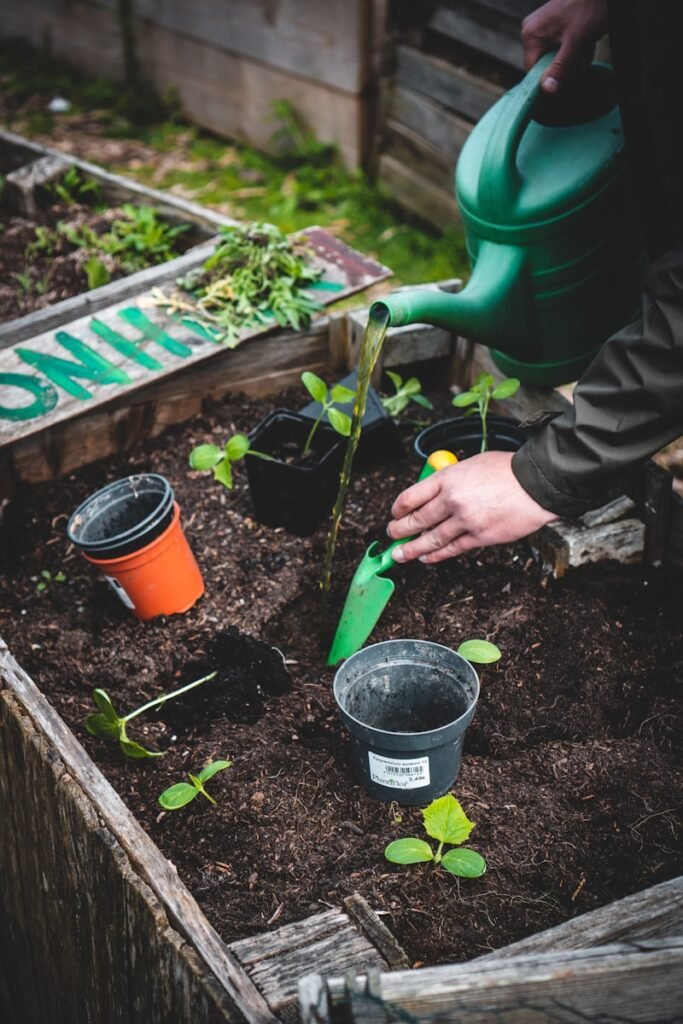
Space constraints: City spaces are often packed, making it tough to find room for farming. Creative solutions like rooftop gardens and vertical farms are helpful and important, but they can be a bit expensive to set up.
Economic Viability: Urban farming makes less money than traditional farming because there is less land. The cost to start urban farming can be high. Technologies like hydroponics and vertical farming need a lot of money to set up, which may not be possible for every community.
Knowledge and Skills: A successful urban garden requires knowledge of modern agricultural techniques and technologies. Many urban dwellers lack these skills, requiring training programs and educational initiatives.
Environmental concerns and policy controls: Although urban farming has urban environmental benefits, it also poses challenges. Polluted soil in cities can make food unsafe, and vertical farming uses a lot of energy, which can be costly. Ensuring sustainable practices is essential to reduce these problems.
Governments should make rules that help people in all buildings grow food. City gardening is often difficult because of strict zoning laws. These policies may include land use policies, subsidies, and support for infrastructure development.
Now, let me share some real-life examples of successful urban farming.
Havana, Cuba: When the Soviet Union collapsed, Cuba went through a major food crisisTo meet the demand, Havana turned empty lots into urban gardens that grew much of the city’s vegetables. This initiative has improved food security and demonstrated the potential of urban farming in food crises.
Detroit, United States: Detroit used to be a busy industrial city, but over time, it lost jobs and people. Urban farming has become a way to help bring the city back to life. Projects like the Michigan Urban Farming Initiative have changed empty land into farms that give people fresh food and jobs.
Singapore: Singapore is a small city with not much farmland, so it uses modern farming methods in the city. Farms on rooftops and in tall buildings help grow more local food and cut down the need to bring food from other countries.
Recent Developments And Some Future Prospects
Technological Advancements
Using AI and IoT in urban farming is changing how food is grown. Smart sensors, automatic systems, and data are used to improve growing conditions, save water, and grow more food.
Climate Resilient Crops
Research and development of crops that can adapt to urban environments and are more resistant to urban stresses, such as high temperatures, electric lights, and air pollution, is increasing.
Policy Support
Many cities are now incorporating urban farming into their urban planning strategies. Policies are being developed to support the allocation of land for urban agriculture and provide funding for related projects.
Vertical Farming Expansion
Companies like AeroFarms and Plenty are expanding their vertical farming operations. They are making use of abandoned warehouses and other urban spaces to grow large quantities of food.
Community-Led Initiatives
There is a growing movement of grassroots urban farming initiatives focused on food justice. Its goal is to address food deserts and ensure equitable access to fresh produce.
The future of urban farming looks promising with increasing interest from governments, businesses, and communities. To increase its potential, several steps are required.
1. The government needs to create an enabling environment for urban farming through supportive policies.
2. Collaboration between public entities and private companies can help drive innovation and investment in urban agriculture.
3. Corporate sponsorships and partnerships can provide the necessary resources and expertise.
4. Community involvement in urban agriculture initiatives is crucial. Community gardens and educational programs can empower residents and ensure the sustainability of urban agriculture projects. Communities are testing ideas to see if can urban farming solve world hunger is achievable.
5. Continuous innovation in agricultural technology will increase the efficiency and productivity of urban farms. Investing in research and development to make these technologies easier to get and more affordable.
It is important to ensure that urban farming practices are environmentally sustainable.These include using renewable energy, reducing waste, and promoting biodiversity.
Urban farming can help solve some problems related to world hunger. It may not fix everything, but it can improve food security, especially in cities. With the help of technology, good rules, and community support, urban farming can become an important part of a strong and lasting food system. Governments and communities are working together to find out, can urban farming solve world hunger in a realistic way. Governments are funding studies to answer can urban farming solve world hunger effectively. Ending hunger is not easy, but urban farming is a smart and hopeful step in the right direction.