
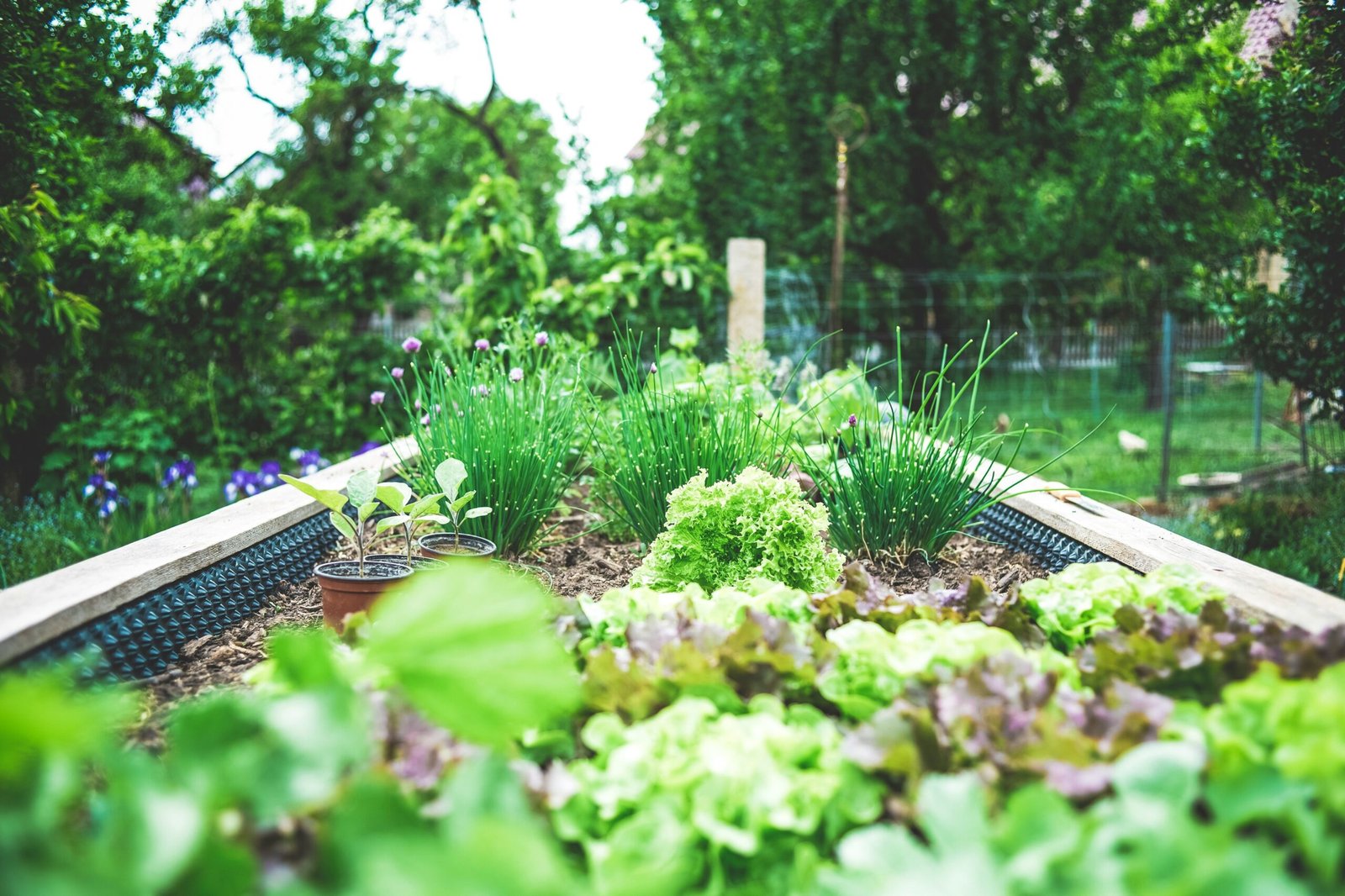
Living in a busy, metropolitan modern society, we use advanced technology in every aspect of our daily lives. We even don’t look at the sky for our busyness but in this case, some points go to those taller structures that hide our sky.
Is there any structure of green, any scene, or any room for greenery? Just tell me when was the last time you saw a green structure and thought it was amazing?
Now just for a second, imagine a morning you wake up open your eyes and a tiny little yellow flower says hi to you from your small windowsill. Isn’t this dream cute? But this dream would be possible with urban gardening, space doesn’t matter here.
Urban gardening can be a joyful and fun way to grow your own food, develop a relationship with nature, and contribute to a more sustainable future for yours if you follow a few guidelines and best practices.
I can explain urban gardening to you and provide you with its types, definitions, benefits, and facts if you want to start or learn more about it.
So let’s start with what are urban gardening is.
What is urban gardening?
Any garden in an urban setting, like a city or town, is called an urban garden. Also known as urban horticulture, urban agriculture, or husbandry, which is caring for and developing a garden in an urban environment. From tiny balconies and window boxes to bigger community gardens and open green areas, there are several places where you can find these gardens.
And Urban gardening has become more significant and well-liked in recent years as more people want to grow their food, adopt healthier lifestyles, and forge connections with the natural world.
However, by boosting the local economy, urban gardening is a project that benefits urban areas both socially and economically. Moreover, it is a sensible method of ensuring a family’s food security.
So let’s start glancing at some of its key aspects for better knowledge of what are urban gardening.
Some Key aspects of urban gardening
Locations:
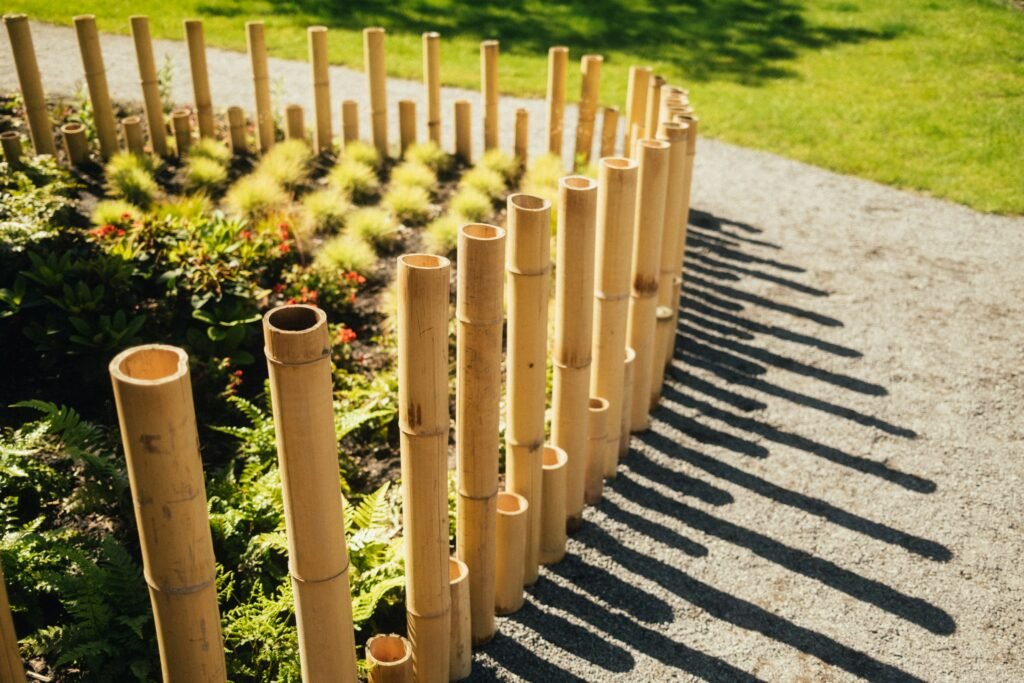
Urban gardening is practiced in densely populated areas with insufficient land for traditional agriculture, such as cities and towns. It uses various locations, including balconies, rooftops, open lots, communal gardens, and even interior places like ecological or hydroponic farming systems.
Sustainability:
It often prioritizes organic techniques. Urban gardens employ eco-friendly gardening methods, encouraging the use of rainwater harvesting systems and organic waste composting. Uses less artificial fertilizers and pesticides.
Community Involvement:
Many urban gardening initiatives involve local communities, encouraging social interaction, sharing skills, and collective efforts to address food security issues. Community gardens, in particular, serve as shared spaces where residents work together to grow food, build relationships, and strengthen neighborhood bonds.
Food Security:
Do you find the vegetables in the market taste unique? Garden-grown tomatoes are better in taste, value, and nutrition than market-grown tomatoes.
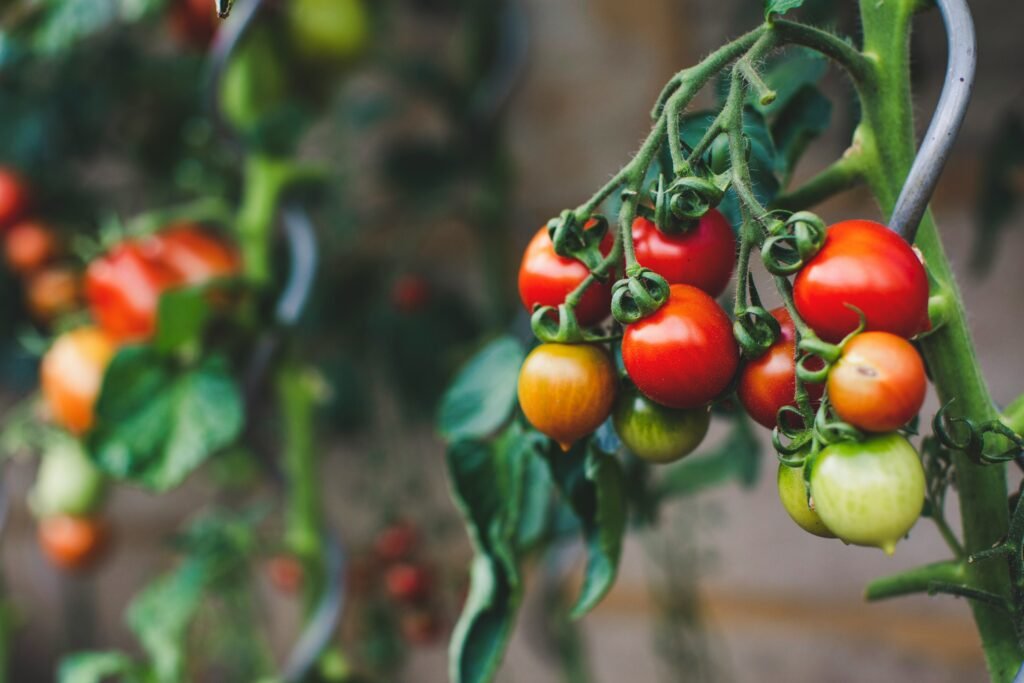
So my point is urban gardening contributes greatly to food security by increasing access to fresh, nutritious produce where healthy vegetable options may be limited or prohibitively expensive. By growing food locally, urban gardeners can reduce reliance on long-distance transportation and the environmental impact of traditional agriculture. So you can bye-bye tasteless flat veggies.
Apart from fostering ecological harmony and building thriving communities, more and more people are turning to know what are urban gardening is and what type of this agriculture today for commercial reasons.
Another goal of these urban gardens is to grow different crops in non-traditional agricultural spaces. These include balconies, rooftops, community gardens, vacant lots scattered throughout densely populated towns and cities, and even a windowsill.
Urban gardening, is a dynamic practice, a healthy habit, and a meditation-like activity that emerges within the confines of the urban landscape, giving you something to work with emotionally.
Popular types of commercial urban gardens
I would like to share some ideas about popular types of commercial urban gardens. They are:
Vertical Farming:
Vertical farming, this one is my personal favorite. In any definition of garden, this type of garden strategy is super duper cool. In this farming, crops are grown vertically at different heights to maximize the use of the area. This method is ideal for small spaces and adds aesthetic appeal to urban environments. This type of growth can yield more in a surprisingly small space.
Recent developments have made vertical gardening easier, such as living walls equipped with automatic irrigation systems, that use minimal water and space and modular vertical planters that are easy to install and maintain.
Container Gardening:
This method involves planting in pots, buckets, or even recycled materials such as old tires or wooden crates. Container gardening ideas are versatile and suitable for almost any space. Innovations in container gardening include self-watering pots, vertical stacking systems, and biodegradable containers made from materials like coconut coir or bamboo fiber.
With proper care, you can enjoy a bountiful harvest of fresh vegetables right from your patio or balcony. The best vegetables for container gardening are herbs, cucumbers, tomatoes, scallions, carrots, green beans, spinach, radishes, pepper, and lettuce.
Rooftop Gardening:
Rooftop gardening ideas are another popular type that has gained popularity in urban areas, especially in densely populated cities with limited ground space. Rooftop gardening benefits are sunlight, storm or rainwater management, and improved air quality. Advancements in rooftop gardening include lightweight soil mixes, modular planting systems, and green roof technologies incorporating native plants to attract pollinators and support biodiversity.
Indoor Gardening:
Indoor gardening allows city gardeners to grow plants inside their homes or apartments. This method is popular for growing microgreens, and small fruits or vegetables and it’s super easy to grow herbs indoors. Advances in indoor gardening include smart plant sensors and monitoring devices that track environmental conditions, and energy-efficient LED grow lights that mimic natural sunlight for optimal plant growth.
Tactical Garden:
This type of urban agriculture setup can be done in a limited space without spending much. Cultivation of growing crops can be less used roads, abandoned places, car parking spaces, private property, etc. The main thought behind this type of urban agriculture is to grow sustainable crops in an urban environment.
Community Gardens:
Community garden benefits are shared spaces where individuals or groups collectively cultivate plants. They provide opportunities for community engagement, education, and social interaction. New trends in community gardening include sustainable practices such as composting, rainwater harvesting, and promoting native plant species to support local ecosystems and wildlife. Another important part of the community garden practices is the victory urban garden.
This urban garden is important for community garden engagement. Let’s have a little talk about Victory Garden.
If you want to understand what a Victory Garden is, you should look at its early history. During the war, people planted small home gardens to grow their own vegetables. These gardens were called Victory Gardens and helped families get food when supplies were limited and rations were low.
Today, through its strategy, resident participation, composting, water harvesting, and a holistic approach to sustainable practices, victory gardens contribute to food security, environmental sustainability, and the vitality of urban neighborhoods.
Victory Urban Garden aims to turn city spaces into lively areas where people can grow plants and connect with their community.
Importance of urban gardening
A green revolution is quietly taking root in the concrete jungles of our modern cities. Its significance transcends mere aesthetics.

One of the attention-grabbing aspects is its role in mitigating urban heat. As cities expand, they absorb and retain heat, so the green spaces created by urban gardens help cool these hotspots, reducing energy consumption and improving overall comfort for residents.
Urban gardens promote biodiversity in urban environments. These green spaces act as vital sanctuaries for biodiversity, fostering ecosystems that support pollinators and other wildlife within urban sprawl. Cultivating a variety of plants, from vegetables to flowers, attracts pollinators such as bees and butterflies, which are crucial to ecosystem health. This increased biodiversity beautifies the city and strengthens its resilience against pests and diseases.
Beyond environmental benefits, urban gardening projects enhance community cohesion, providing space for social interaction and shared learning experiences. Urban gardens have important social implications.
Community gardens serve as hubs of social interaction here, where people from diverse backgrounds come together, share knowledge, and make meaningful connections. This sense of belonging and shared purpose strengthens social bonds and promotes emotional well-being.
Urban farms help provide enough healthy food for people in cities. Since fresh produce is often limited in big cities, it’s important to grow food locally. By turning empty spaces and rooftops into gardens, urban farmers can grow fresh, healthy food and rely less on food that has to travel long distances.
It helps people reconnect with nature and improves their health by giving them chances to exercise, relax, and reduce stress.
Urban gardening is more than a hobby — it can make cities better. As more people live in cities, planting gardens will help build healthy and strong communities. If you know other benefits of urban gardening, please share them in the comments!
Benefits Of Urban Gardening:
Many benefits of urban gardening can be discussed but the joy and happiness of having your garden harvest in your hands is something I will never be able to convey to you. So let’s talk about some eye-opening key benefits of urban gardening.
Relationship: Urban gardening will gradually change your lifestyle to a green lifestyle, where you will understand that quality is more important than quantity. You can realize the importance of your relationship with food, your relationship with the environment, and your relationship with the entire ecosystem.
Economic benefits: Growing food locally can save money on grocery bills and reduce reliance on expensive, imported products. urban gardening can create economic opportunities through product sales or community-supported agriculture (CSA) programs.
Fresh and Healthy Lifestyle: Spending a little time gardening every day is good for both your body and mind.
Urban gardening allows people to grow their fruits, vegetables, and herbs in their backyards, balconies, or community gardens. It provides access to fresh, organic produce, which is often more nutritious than store-bought portions.
Urban gardening promotes healthy eating habits, with people including more fresh fruits and vegetables in their diets. This city gardening can lead to gardeners improved nutrition and overall health, reducing the risk of chronic diseases such as obesity, diabetes, and heart disease.
Environmental Benefits:
Urban gardening helps to reduce the carbon footprint associated with food production and transportation. Growing food locally reduces the need for long-distance transportation and minimizes greenhouse gas emissions. Additionally, urban gardens can contribute to biodiversity and help mitigate the urban heat island effect.
Food security:
Urban gardening plants can help improve food security by increasing access to fresh, produce, where healthy food options are limited. Urban farms serve as a source of affordable, nutritious food for urban farm dwellers.
When you fill your plate with food, you’ll know how your food was grown. All fresh food that grows from your garden will inspire you to cook healthier and create new recipes.
Stress Reduction and Mental Health Benefits: Spending time in the garden, and working has a therapeutic effect. It plays a similar role as meditation in reducing stress and improving mental well-being. Connecting with nature and engaging in physical activity can help alleviate symptoms of anxiety and depression.
You may believe me when I say that this garden will reduce your stress and relieve you from the stress of city life, but I cannot describe the sense of calmness that you will get with your garden’s crops and flowers. Urban gardening will give you a chance to a little pause, observe, and reflect on your busy life.
Educational Opportunities:
By spending time in the garden, young and old alike can learn about plant biology, ecology, nutritious foods, and sustainable agriculture. Their feelings on the environment increase.
Stormwater Management:
Green infrastructure elements integrated into urban gardens, such as rain gardens and bioswales, help manage stormwater runoff by absorbing and filtering rainwater. This can reduce the risk of urban flooding and the burden on municipal sewage systems, thereby improving water quality in rivers and streams.
Mitigation Of Climate Change:
Gardens act as carbon sinks, sequestering carbon dioxide from the atmosphere and mitigating the effects of climate change. Additionally, urban green spaces help cool cities and reduce energy consumption for cooling purposes.
Moreover, urban gardening offers many more multi-faceted benefits to urban gardeners such as green job opportunities, urban aesthetic enhancement, cultural preservation, and food preparation in times of emergency. These benefits highlight the multi-faceted role of urban gardens in promoting sustainability in cities, community resilience, and human well-being.
Tips and facts to help you to get started as a city gardener
Here are some new tips and facts to help you to get started as a city gardener.
Right Plants:
Choose suitable and useful plants in your city environment and limited spaces. Herbs like basil, mint, and coriander or parsley, as well as compact vegetables like cherry tomatoes, chilies, and lettuce, are excellent choices for urban gardens. Cultivate native plants that are well adapted to your local climate and require low maintenance.
Use Vertical Space:
You can maximize your gardening space by using vertical gardening or tower gardening techniques. Opt for hanging planters, trellises, or vertical gardens to grow plants upwards to increase floor space. Plants like cucumbers, beans, and peas are perfect for vertical gardening and can add attention to your space.
Container Selection:
Here a container gardening tips when you choose containers for your urban garden, choose lightweight, durable materials such as plastic, resin, or fabric pots. Ensure containers have drainage holes to prevent waterlogging and use saucers or trays to catch excess water and protect surfaces.
Soil and Fertilizer:
Use a high-quality potting mix for container gardening. Regularly restock your plants with organic fertilizers as container plants can quickly deplete soil nutrients.
Watering Techniques:
Urban gardens often require frequent watering due to the limited amount of soil exposed to heat and wind. Therefore, water plants regularly in the morning or evening to reduce evaporation.
Sunlight Requirements:
Most edible plants require at least 6-8 hours of sunlight daily to survive. Assess the sunlight conditions of your urban space and choose plants accordingly. Leafy greens and shrubs generally require less sunlight.
Pest and Disease Management:
Monitor your urban plants regularly for signs of pests and diseases. Use natural pest control methods and apply organic insecticidal soap or neem oil. To prevent diseases, trees should be planted with proper ventilation and sufficient space.
Community Gardening:
Community gardens increase social connection, promote food security, and contribute to the beautification of urban areas. Consider starting a community garden in your neighborhood to share gardening experiences.
Pollination and Composting:
Composting and pollination are two essential aspects of urban gardening that contribute to its success and sustainability. This process is essential for the reproduction of many plants, including fruits, vegetables, and flowers. In urban environments, pollination can be facilitated by a variety of insects, birds, and even some mammals. To encourage pollination in urban gardens, creating a pollinator-friendly environment is essential. This can be achieved by planting a variety of flowering plants that bloom at different times of the year. Avoiding the use of pesticides and choosing organic pest control methods can help protect pollinators in urban gardens.
Composting is a valuable practice in urban farms to enrich soil fertility and reduce waste. In urban environments, you can compost a wide range of organic materials, including fruit and vegetable scraps, coffee grounds, eggshells, yard trimmings, shredded paper, and cardboard. Once the composting process is complete, add compost to the planting bed, mixed with potting soil for container gardening. This process is completely eco-friendly and eligible.
In conclusion, urban gardening offers endless possibilities for growing fresh, nutritious food and creating vibrant green spaces in urban settings. With careful planning and creativity, you can cultivate a thriving urban garden regardless of your space limitations.