

The one good thing that has happened to me in the last two years is my involvement in gardening. An urban vegetable garden lets city dwellers grow fresh, healthy food right at home. I had a garden before, actually, my parents had a beautiful front-yard vegetable garden since I was a child. Then the circumstances changed, and now we live in an apartment.
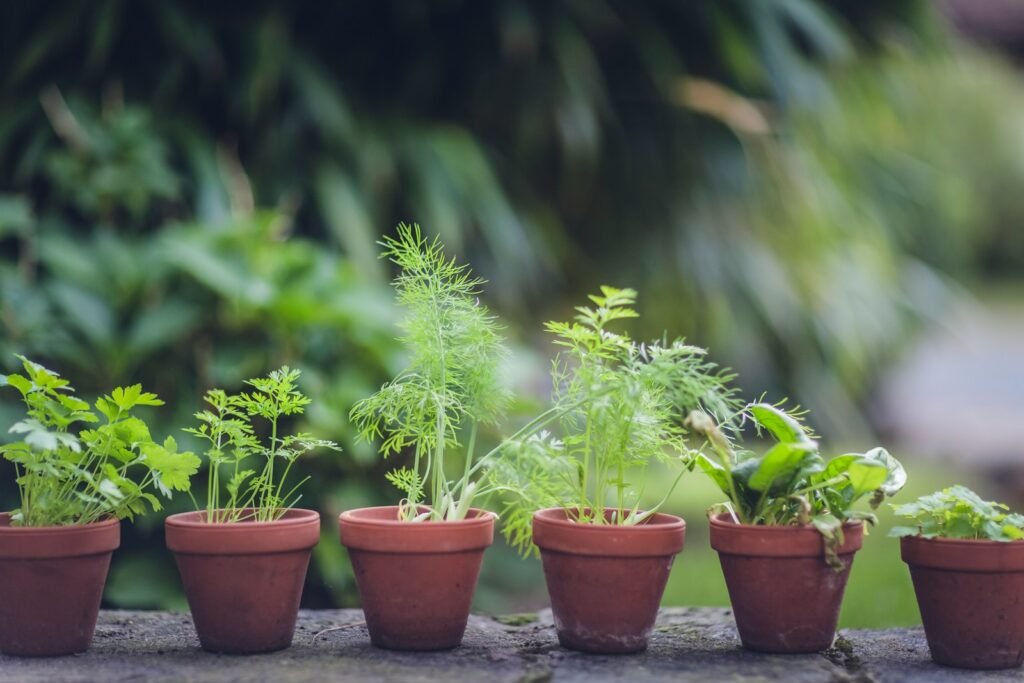
During the COVID pandemic, like others, I have also noticed that the lack of fresh food and had fear of collapsing food chains. Even simple herbs or some greens were difficult to find. At that time, I thought I have no land to grow what should I do? The next year, I planted some of my favorite flower plants, and I started to learn about urban gardening. And I’m surprised to learn that small spaces can’t be a problem for gardening, even if it’s just a balcony. Day by day, now I have a cute, small, thriving garden.
Today, I am going to share with you some important key points about urban vegetable gardens that I have learned. So if you have a tiny wish for gardening but do not have an adequate place, then I assure you, small space is not going to be a problem for your garden. And, in this blog, I welcome you to the world of urban farming.
Let’s start.
What Is Urban Farming?
Before starting city gardening, I looked around the city and thought, “Where could anyone possibly grow food here?” Well, that’s where urban farming comes in. It’s all about growing vegetables, fruits, or herbs right in the heart of the city. They can be planted in any place, like rooftops, balconies, small backyards, windowsills, or even along sidewalks. You don’t need to worry about a big plot of land. Just a little space, some creativity, and a love for plants! That’s it. Urban planting adds a splash of green to concrete jungles and creates spaces for people to connect. It’s not just about growing food—it’s about growing community, too.
Why Is It Important?
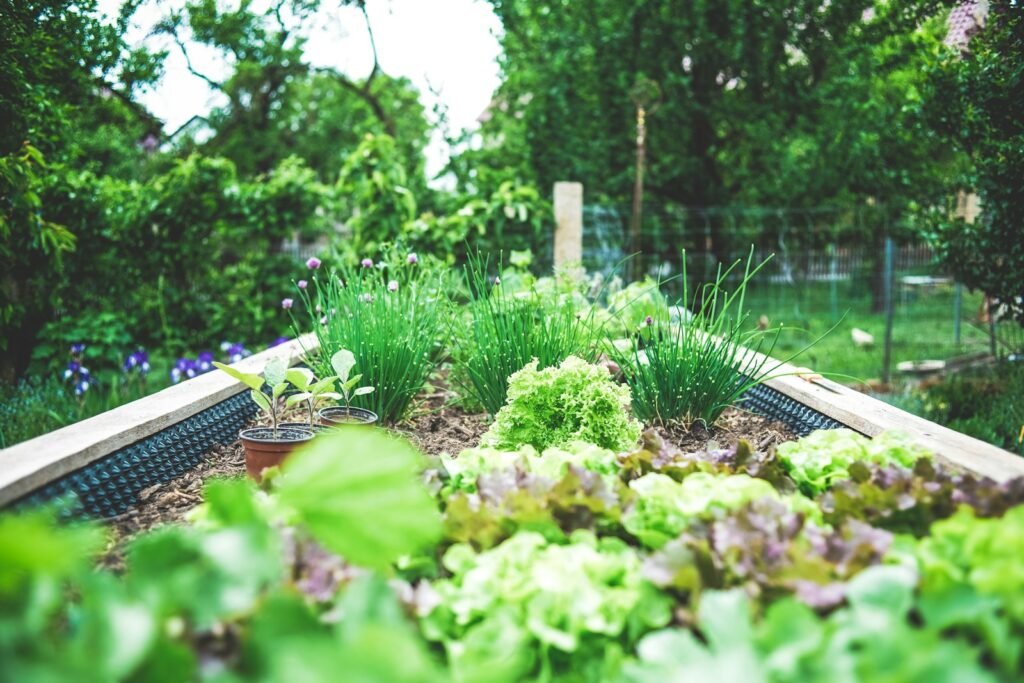
Urban planting is more than just growing food—it’s about bringing fresh produce closer to home, adding green beauty to grey city spaces, and creating places where people can connect. It’s not only about what we grow, but how we grow stronger communities together.
But why is this becoming so important?
As cities get more crowded, we need smarter ways to feed people. The demand for healthy, fresh, and local food is rising every day. That’s where urban farming steps in. It’s a simple solution for every city.
Think about it—people have farmed the land for thousands of years. But with today’s fast-growing population, traditional farming is struggling to keep up. Add in rising food prices, climate issues, and more people living in cities than ever before, and the need for city-based food solutions becomes clear.
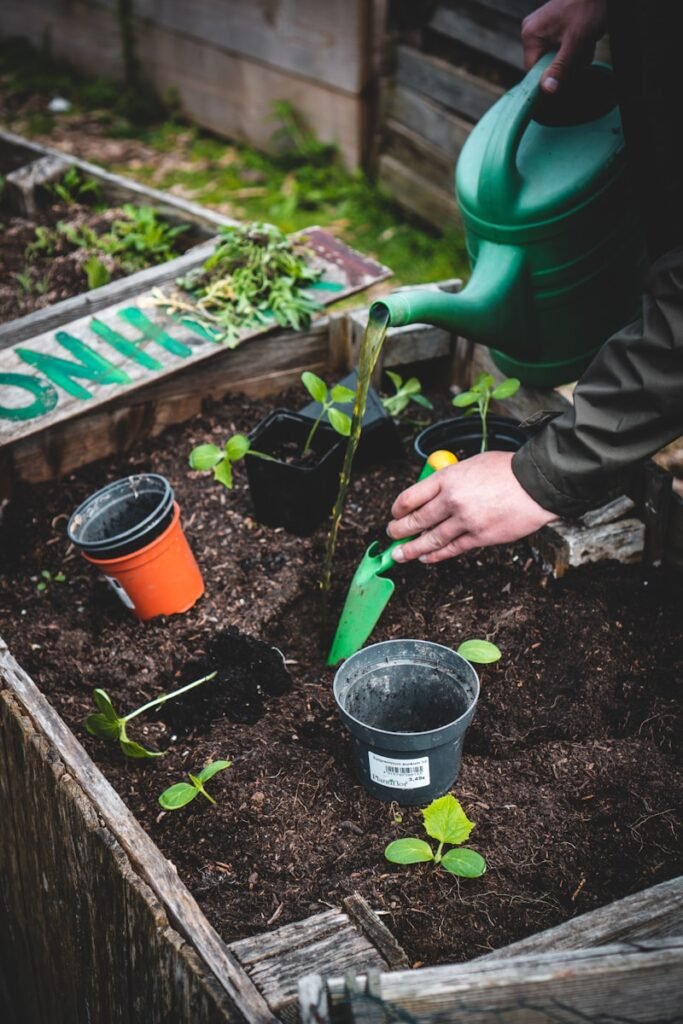
This is where the urban garden shines. Whether it’s a rooftop plot or a few containers on a balcony, it helps reduce food costs, cuts pollution from transport, and makes fresh food easier to reach.
Food gardens in the city give us more control over what we eat—no chemicals, less waste, and food that’s picked fresh from our own hands.
Urban farming it’s a trend now. It’s a smart, sustainable way to grow food and community—right where we live.
Benefits of Urban Farming
There’s something really calming about watching your vegetable garden grow—it’s almost like therapy for your mind and soul. But it’s not just about relaxation. Growing your own food is surprisingly rewarding! It also teaches you practical life skills along the way—like patience, responsibility, and how to work with nature. Even if you live in an apartment, starting a small food garden can help you feel more connected to the earth and a simpler, more natural way of living.
Fresh Food
Honestly, nothing compares to the taste of homegrown veggies or sweet flowers. When you pick your food straight from your own flower and vegetable garden, it doesn’t just taste better—it is better. The flavors are richer, the textures are crisper, and you know exactly how it was grown. No long trips from farms to stores, no mystery chemicals—just fresh, natural goodness right at your fingertips. Plus, because you’re harvesting it at peak ripeness, your produce is packed with nutrients. Whether it’s a juicy tomato or a handful of herbs, growing your own food means healthier meals and a deeper appreciation for what’s on your plate. It’s a simple joy that makes every bite more meaningful.
Hale and Hearty
Gardening is such a fun and natural way to stay active. For obese people like me- it’s not just gardening. All that digging, planting, weeding, and watering—it might not feel like a workout, but it absolutely is! These small movements add up to gentle, full-body exercise that helps boost your strength, improve your flexibility, and keep your heart healthy. It gets you off the couch, out in the fresh air, and moving your body without even realizing it. Plus, unlike a gym session, you’re doing something productive and calming at the same time. Whether you’re working in a big backyard or a small balcony space, gardening gives your body a healthy reason to stay moving every day.
A Natural Boost and calming therapy for Your Mind
Spending time in my garden creates an amazing soothing and serene feeling, especially in the morning. Whether you’re watering, pruning, or just watching them grow, it brings a sense of calm. Stepping outside, getting your hands a little dirty, and taking a break from screens can do wonders for your mood. It’s like a gentle reset button for your mind, helping melt away stress and ease anxiety without you even realizing it.
Getting to Know Our Food Again
These days, it’s easy to forget where our food really comes from. But when you start an urban garden, you see the whole journey—from planting tiny seeds to picking fresh veggies. It’s a hands-on way to learn how food grows, and it makes you appreciate each bite so much more, and you want to create new recipes more.
Economic Opportunities
Let’s be honest—grocery bills can add up fast. But once you start growing your own veggies, you’ll really feel the difference. Yes, there’s a small upfront cost for things like soil, tools, and urban garden seeds, but it doesn’t take long before it pays off. Every harvest means more fresh food for your table and less money spent at the store.
If you happen to grow more than you need, you can even sell some or trade with neighbors at your local urban garden market. It’s a simple way not only to save money but also to connect with your community.
Urban farming creates new opportunities. For many women, it can open doors to extra income and greater financial independence by selling fresh produce or plants. Refugees, students, and people with low incomes also benefit a lot from having their own small garden. It means access to healthy food without breaking the bank, and for some, it’s a chance to earn a little extra by being part of the urban garden market.
It’s amazing how a small patch of green can bring such real and positive changes to people’s lives.
Bringing People Together
Urban gardening isn’t just about plants—it’s also about people. In many cities, it brings neighbors together in the best way. Community gardens turn into friendly hangout spots where folks connect, share tips, and enjoy the tasty rewards of their hard work. It’s amazing how a little garden can grow such strong friendships.
Greener Cities, Happier Nature
Urban gardens do more than just look pretty—they give nature a place to breathe in the middle of all that concrete. Bees buzz around, butterflies flutter by, and birds find little safe spots to land. These green spaces also help cool down hot city streets and clean up the air we breathe. It’s a small step with a big impact for our environment and all the little creatures we share it with.
A Better Way to Live in the City
Adding a bit of green to your life—whether it’s just a few potted herbs on your balcony or a full rooftop garden—can really change how city living feels. In the middle of all the noise, traffic, and fast pace, a little garden becomes your peaceful escape. It’s a space where you can slow down, breathe fresh air, and reconnect with nature.
Caring for plants gives your day a sense of purpose and joy. Watching something grow because of your effort feels rewarding, and it’s a great way to unwind after a long day. Plus, a touch of greenery makes your home more beautiful and inviting—not just for you, but for friends and family too. Simply put, growing a garden in the city can make your lifestyle healthier, calmer, and a lot more enjoyable.
Types of Urban Vegetable Gardening
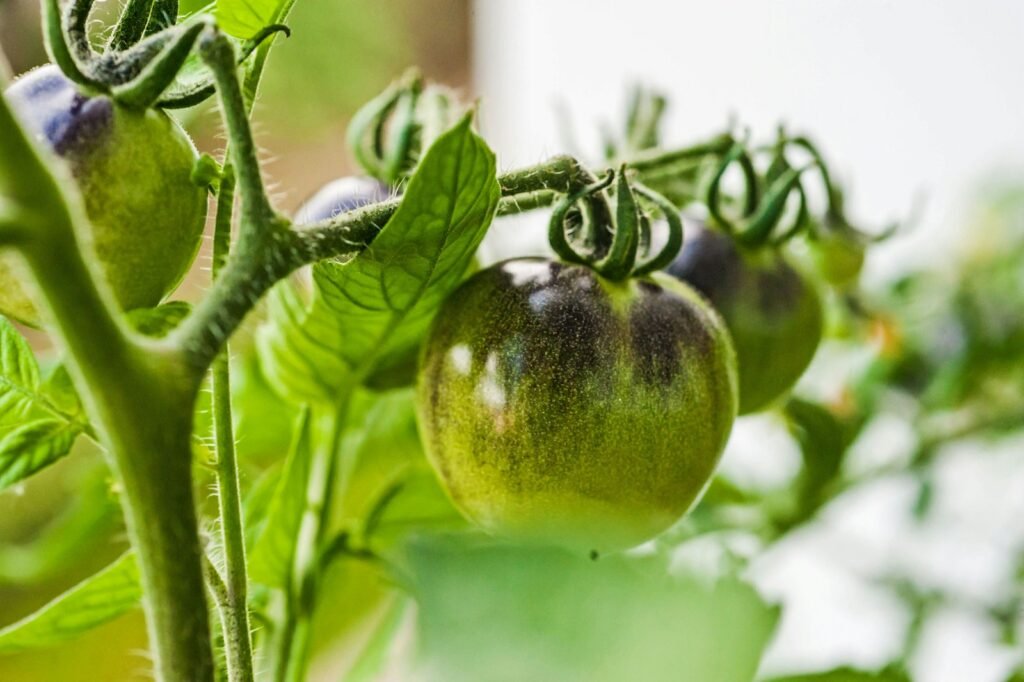
Urban vegetable gardening isn’t about following one perfect plan—it’s about what works best for you. Whether you have a sunny windowsill, a small balcony, or a shared rooftop, you can pick a style that fits your space, your daily routine, and what you hope to grow.
Container Gardening: Make Gardening Work for You.
There’s no single way to start an urban vegetable garden—it’s all about what works for your space and lifestyle. Whether you have a sunny windowsill, a tiny balcony, or share a rooftop with neighbors, you can still grow fresh food your way. Some people love to garden in boxes vegetables, while others use pots, any kind of container, hanging baskets, earth-boxes, or raised beds. Just pick a setup that feels right for you, and start small. The best garden is the one that fits your life and makes you happy.
Rooftop Gardening: A Hidden Gem in the City
If you’re lucky enough to have access to a flat rooftop, why not turn it into your own little green escape? Rooftop gardening is one of the most exciting urban garden ideas out there. You can grow everything from fresh herbs to leafy greens—even small fruit trees if the space allows! Plus, rooftops usually get loads of sunlight, which plants love. It’s a great way to make the most of unused space and enjoy a bit of nature high above the busy streets.
Community Garden
These gardens are usually organized by neighborhoods, local groups, or even schools. Everyone helps out, and in return, everyone shares the fresh harvest. It’s a great way to grow your own veggies, meet new people, and enjoy being part of something green and good.
Vertical Gardening
Vertical gardening is one of the best ideas for a vegetable garden, especially in small spaces, and works perfectly with small vegetable garden plans. You can hang pots, use trellises, or set up wall planters to grow all kinds of veggies and herbs. It’s especially great for tomatoes, beans, and leafy greens. Plus, it adds a lovely touch of green to walls and corners that would otherwise go unused. Small space, big harvest—it’s all possible when you think vertically!
Balcony Gardening
Got a tiny balcony? That’s all you need to start a mini garden! With a few railing planters, hanging baskets, or shelves, you can grow fresh herbs, spinach, or even cherry tomatoes right outside your door, like me. It’s one of the easiest, simplest vegetable garden ideas for small spaces, and it makes your balcony look beautiful too. You don’t need a big garden in front yard—just a little sunshine and some care can turn your balcony into a fresh, green corner.
Raised Bed Gardening
If you’ve got a bit of outdoor space, raised beds are a fantastic way to grow your veggies. They help you control the soil quality, cut down on weeds, and keep everything neat and organized. You can even set up a raised garden bed front yard to turn your entrance into a beautiful and productive space. It’s a simple and smart option that makes gardening easier, especially if you’re just getting started or want a cleaner look.
Front Yard Vegetable Garden Ideas
If you have a front yard and are thinking about making your front yard more useful and inviting? A front yard veggie garden is a creative way to grow fresh food right where everyone can see it. It’s not just practical—it can be surprisingly beautiful too! Mix edible plants like lettuce, kale, and cherry tomatoes with colorful flowers and herbs for a garden that’s both tasty and attractive. You might be surprised—growing veggies in your front yard often gets neighbors curious and chatting. A front lawn vegetable garden also encourages neighbors to stop by and chat. It’s a great way to spark conversations and turn your space into a warm, welcoming little green spot on the block. Just be sure to check local rules or HOA guidelines before digging in!
Some Key Points of Gardening
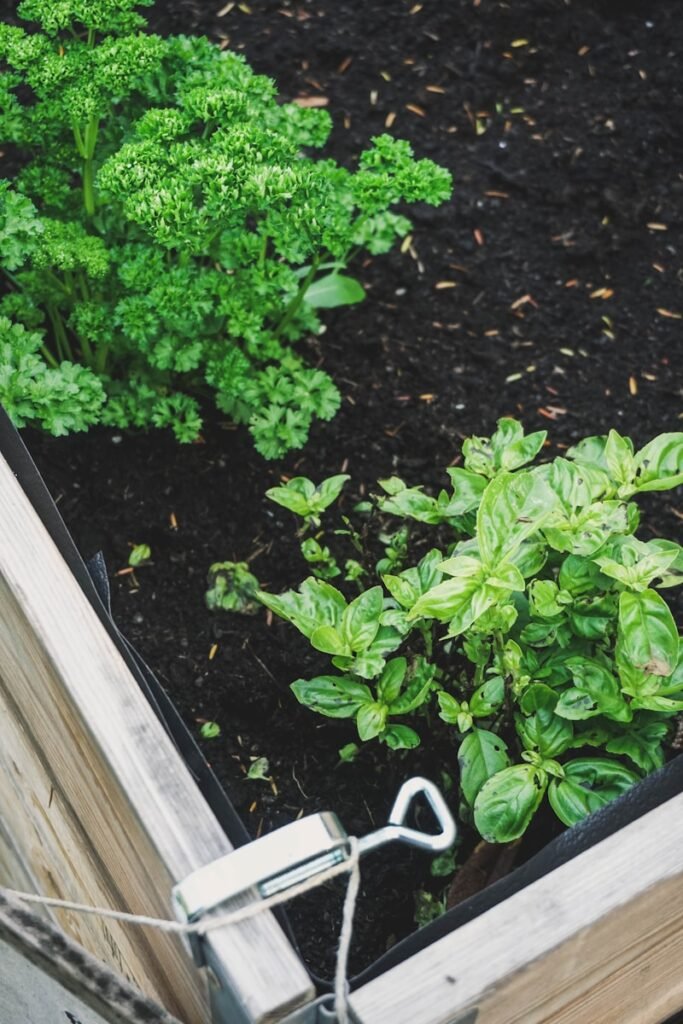
This section covers some essential key points for creating a home garden. Before you start, keep these simple but important gardening tips in mind.
The Soil
Think of soil as the heart of your garden—if it’s healthy, your plants will thrive. For best results, go for nutrient-rich, well-draining soil mixed with organic compost. If you’re gardening in containers, pre-mixed potting soil is a great, hassle-free option. And don’t forget—you can always enrich your soil with kitchen scraps or natural fertilizers to boost plant growth even more.
Sun Position
Sunlight is a big deal when it comes to growing veggies. Most plants need around 6 to 8 hours of direct sunlight each day to grow strong and healthy. So, take a day or two to watch how the sun moves across your space—early planning pays off. If you’re working with limited light, consider growing leafy greens like spinach or lettuce—they can do well with a bit less sun.
Watch Out for Wind
Wind might not seem like a big deal at first, but it can really stress out your plants, drying their leaves and even knocking them over. Try to place your garden in a spot that’s protected, like near a wall or fence. If that’s not an option, you can create a simple windbreak using fabric, bamboo screens, or even a row of taller pots. When thinking about vegetable garden arrangement ideas, keep the wind in mind. Grouping your containers is a smart move—it helps block the breeze, boosts humidity, and allows taller plants to shield the smaller ones. And if you’re using a trellis or any kind of support, make sure it’s firmly secured and placed in a heavy container so it won’t topple over on a windy day.
Watering System
Watering is one of the most important parts of gardening, especially when you’re working with a small vegetable garden layout. A self-watering planter is super handy—it holds water at the bottom, and the soil soaks up just the right amount. That means less work for you and healthier, happier plants. No more guessing if you’ve overwatered or underwatered! Just make sure your containers or raised beds have proper drainage holes so excess water doesn’t build up. If you’re exploring new gardening ideas for vegetables, investing in a few self-watering pots might be the easiest upgrade you can make.
Choosing the Right Seeds
Picking the right seeds makes a big difference when starting your vegetable garden. Choose ones that suit your local climate and the current season. If you’re new to gardening, start with easy-grow options like leafy greens, herbs, root veggies, tomatoes, radishes, beans, or even vining vegetables like cucumbers. They grow fast and give you that satisfying “I did it!” feeling. You can also check your seed packets for planting tips—most include helpful info about sunlight and spacing. Starting simple helps you build confidence and enjoy your harvest sooner!
Ready to get your garden growing? Let’s go shopping!
You’ll need a few basics to start—think containers or pots if you’re not planting directly in the ground, some rich organic soil or compost, and simple tools like a trowel and watering can. Add in seeds or seedlings, maybe a trellis for climbing plants, and don’t forget gloves and a bit of mulch. No rush—just start small and grow as you go!
Selecting Vegetable Plants or Seeds
Want to keep your garden thriving all year long? It’s all about choosing the right veggies for each season. In spring and summer, go for sun-lovers like tomatoes, cucumbers, peppers, and basil. When the weather cools, switch to hardy crops like spinach, kale, carrots, and broccoli. Try rotating what you plant each season—it helps your soil stay healthy and makes your garden (and your dinner plate) way more fun and flavorful!
Plant as Much as You Want
The great thing about urban gardening is that there are no limits—plant as much or as little as you like! Whether it’s a handful of herbs or a full rooftop oasis, give your plants room to grow and enjoy every step. It’s all about what makes you happy!
Time to Look at Your Garden
When your garden starts thriving, take a quiet moment to really enjoy the results. From tiny sprouts to vibrant, homegrown veggies—what once was just a dream is now something real, shaped by your hands and care. Celebrate every little win, like your first harvest or a surprise tomato. Share your journey with loved ones or online garden groups, and try keeping a journal. It’s a heartwarming way to grow, learn, and look forward to each new season.
Conclusion
Starting an urban vegetable garden is more than growing food—it’s growing life, hope, and a sense of purpose. Whether it’s a windowsill of herbs or a rooftop full of greens, your small space can bloom with beauty and meaning. So dig in, stay curious, and let your garden nourish your soul.
1 thought on “From Balcony to Bounty: Your Guide to a Thriving Urban Vegetable Garden.”