
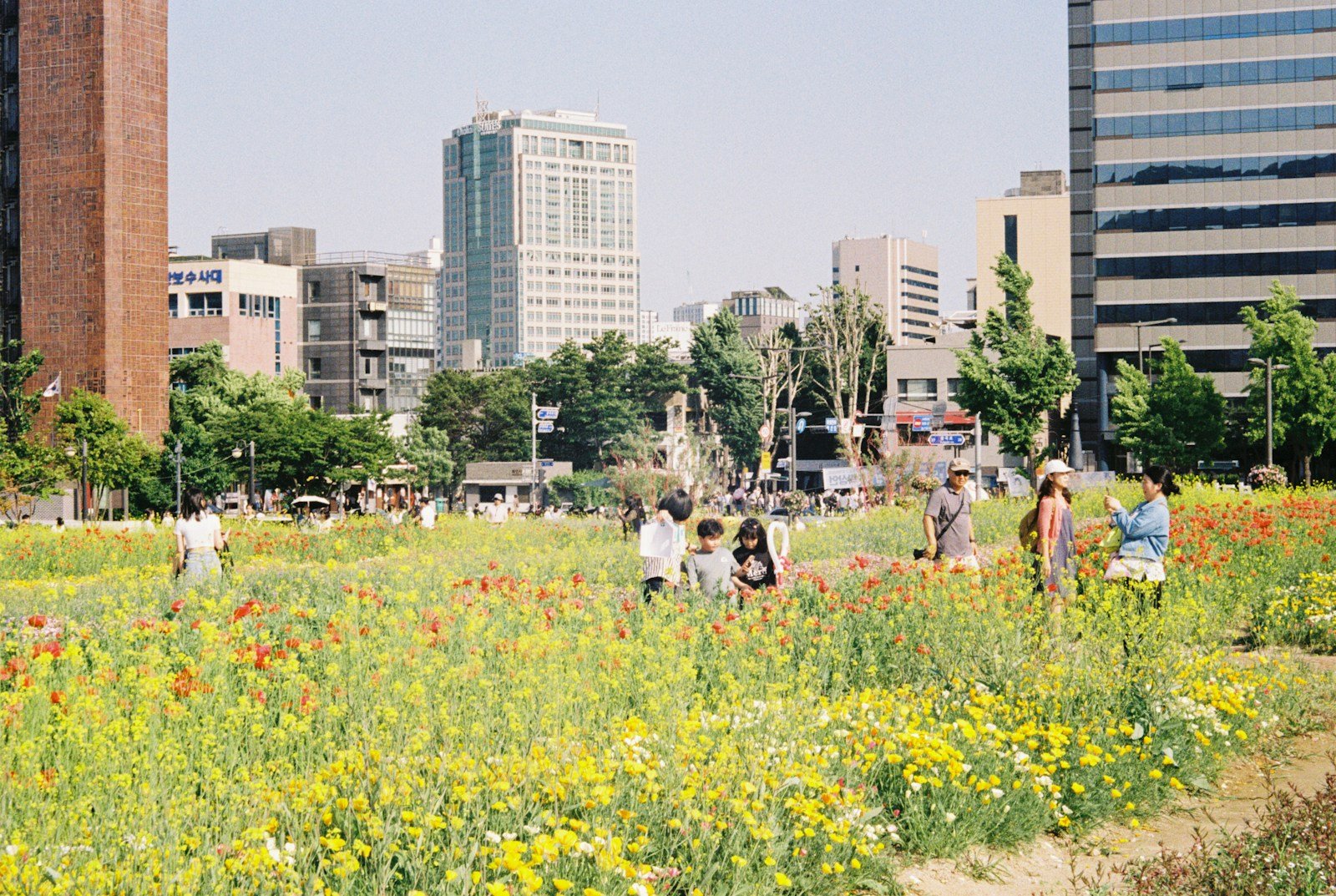
Are you feeling overwhelmed by all the bad news about our environment lately? Like nothing you do really makes a difference? I used to feel the same way—until I got involved in a community project.
Joining a community garden has made a big difference for me. It helps the environment, brings people together, and supports a more sustainable way of living.
Personally, I’ve found it really uplifting. Spending time outside, working with your hands, and chatting with others—it just feels good. Even science backs it up; community gardening is great for your mental health.
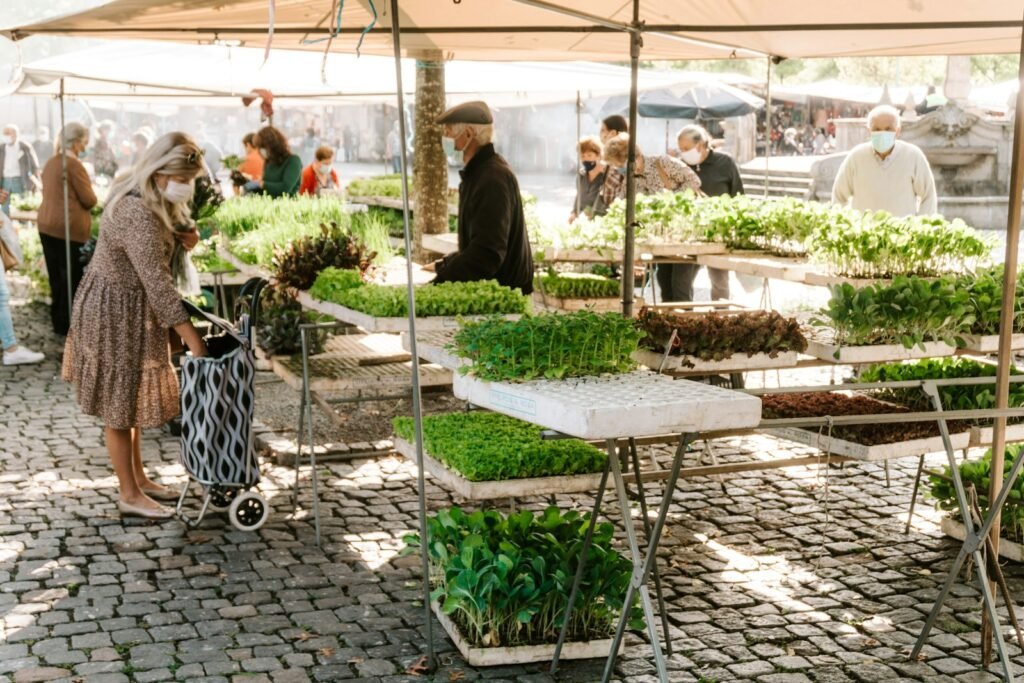
It’s not just about growing food. When we come together in a community garden, we also help the environment by creating spaces for wildlife and nature to thrive. At the same time, we grow healthy, nutritious food. People who join often learn lots of new skills too. If you’ve ever thought, “I wonder if there’s a community garden near me,” it might be the perfect time to find one and get involved.
Community gardens are also a great way to prepare for tough times, like when there are problems with the food supply or extreme weather. They help bring people together, get organized, and support each other.
And gardens like this, with so many different types of crops, are especially valuable. Community gardens bring so many good things to our neighborhoods.
The History of Community Gardens
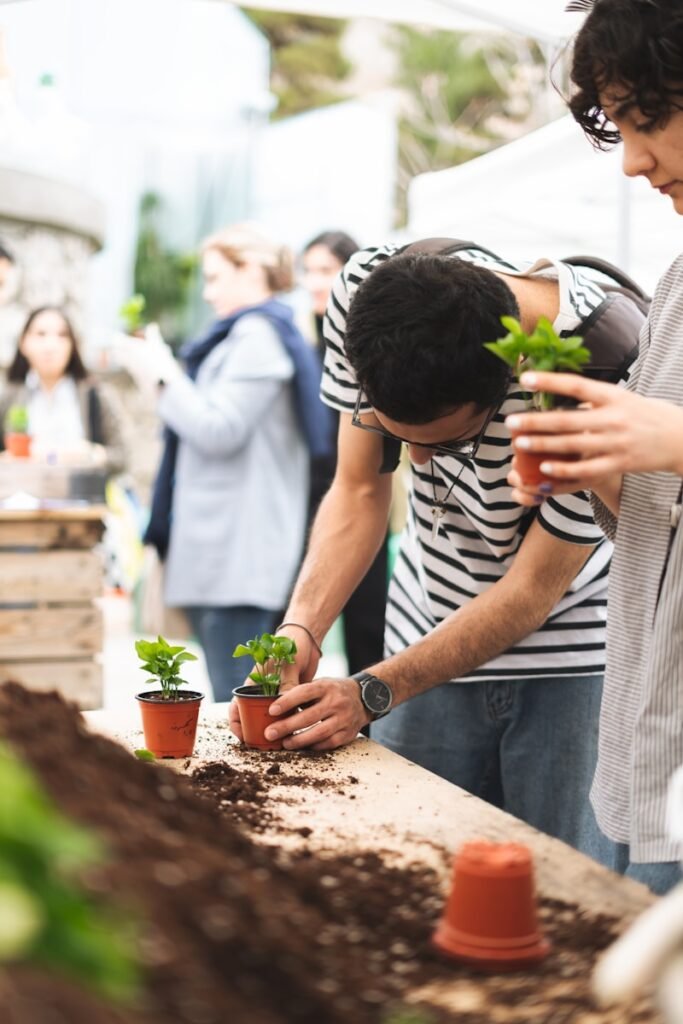
Community gardens have a long and meaningful history. The idea of people growing food together goes back hundreds of years and has appeared in many cultures. Community gardening took root in the United States in the 1890s, emerging as a response to financial hardship during that era. Detroit was the first city to turn vacant lots into gardens to help families facing hunger and unemployment.
Over time, the idea grew. Schools created gardens to help connect children with nature in cities. During major historical events like World War I, the Great Depression, and World War II, these gardens became even more important. In fact, during WWII, Victory Gardens produced nearly 40% of the country’s fresh vegetables, and these food gardens helped to feed millions.
Back in the 1960s, people started to notice environmental problems, so they turned to gardening as a way to help the Earth and connect with their neighbors. The 1970s saw a major revival of community gardens in response to urban decline and food insecurity, highlighting the growing awareness of the benefits of community working together. People turned abandoned city lots into green, growing spaces that brought neighbors together.
Amid the pandemic in 2020, gardening regained popularity as more people turned to it for comfort and self-sufficiency. With lockdowns in place and people staying home, many turned to gardening for food, stress relief, and a sense of purpose.
Today, community gardens are an important part of urban life. They support healthy living and help build stronger, more connected communities.
What Is a Community Garden?
Community gardens start when people in the neighborhood don’t have a sufficient place to grow their own fruits and veggies.So the garden gives them a small space where they can plant what they need and enjoy fresh food they might not be able to get otherwise.
Another big reason for starting a community garden is to fix up an empty lot that’s just sitting there unused. Sometimes these empty spaces get messy or attract trouble, but turning them into gardens helps clean them up and makes the neighborhood feel safer and nicer.
But it’s not just about growing food. Community gardens also bring people together. Neighbors who might have never talked before start working side by side, sharing tips, helping each other out, and becoming friends. It builds a sense of teamwork and makes the community stronger.
You can find these gardens in all kinds of places—empty lots, schoolyards, rooftops, or even parts of public parks. Some focus mainly on growing food, while others also serve as places to learn, relax, or hang out with others. No matter what, they all help people connect through a shared love of gardening, nature, and making the community better.
Benefits of Community Gardens
Environmental Benefits
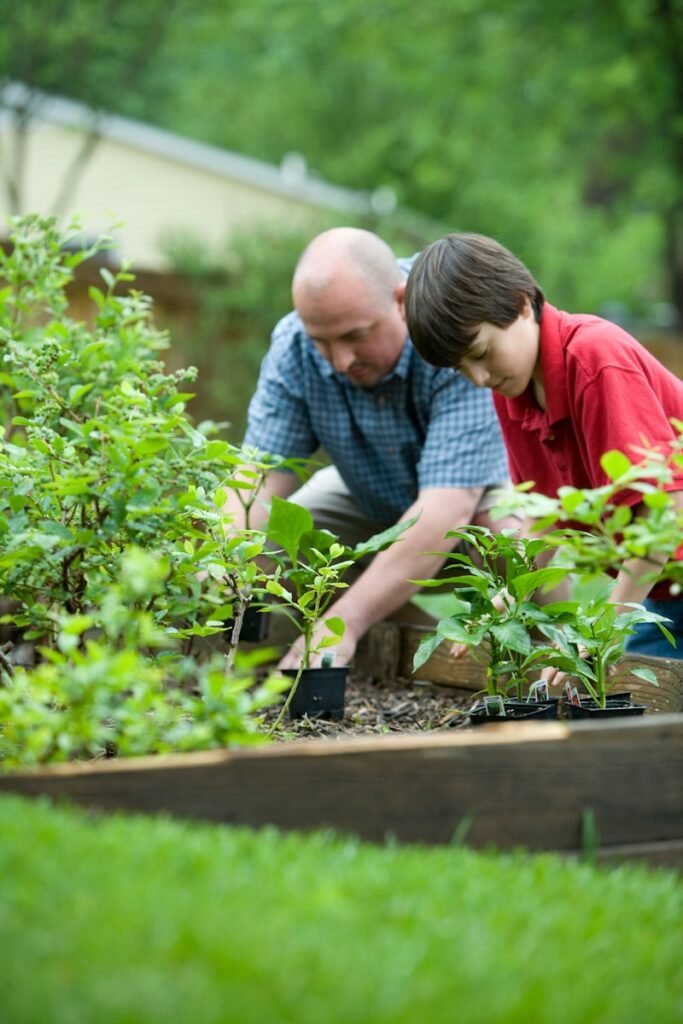
Community gardens play an important role in improving city environments. They make the air cleaner, help cool down hot city areas, and bring in more plants, insects, and animals. These green spaces act as natural coolers, helping cities handle the effects of climate change.
By encouraging composting and cutting down on food waste, community gardens also promote more sustainable living. They reduce the need to transport store-bought produce, which helps lower carbon emissions. They also give bees and butterflies a safe place to live—and these little pollinators are super important for growing fruits and veggies.
Turning empty lots into gardens not only makes neighborhoods more beautiful but also restores the soil. These gardens for the environment support food growth, help store carbon, absorb rainwater, and prevent flooding.
Birds, insects, and other small animals play a role in keeping the garden balanced and productive. In the end, community gardens offer more than just food—they bring life and health back to our cities.
Social and Cultural Benefits
Community gardens are more than just places to grow food—they’re places where people connect. They bring all kinds of people together, young and old, from different cultures, to share stories, learn new things, and help each other. Whether you’re great at gardening or just getting started, you can always pick up something new, like how to grow food, eat better, or care for nature.
In busy cities, it’s easy to feel a little alone. But community gardens offer a friendly spot to meet neighbors, chat while you dig, and maybe even make a few new friends. Events like gardening workshops, potlucks, and seasonal celebrations can help everyone feel more included and part of something bigger.
These gardens also build a strong sense of teamwork. People who might not normally cross paths end up working side by side toward a shared goal. That often leads to stronger communities where folks look out for each other and enjoy spending time together.
And here’s something amazing—turning empty lots into gardens can actually help lower crime in some neighborhoods. Just planting and caring for green spaces has been shown to bring peace and safety to the area.
Physical and Mental Health Benefits of Community Garden
Gardening isn’t just about growing plants — it’s also a powerful way to care for your health. Getting your hands dirty in the garden can help you feel less stressed, lift your mood, and just make you feel better overall. Whether you’re planting flowers or vegetables, the physical activity involved helps keep you moving and supports heart health. For older adults, the health benefits of gardening go beyond fun—it can help maintain mobility and keep the mind sharp.
One of the coolest things about gardening is having your own supply of fresh, organic food right outside your door. People who grow their own fruits and vegetables are more likely to eat them, especially kids! Kids who get into gardening are actually way more likely—like five times more, to enjoy eating fresh fruits and veggies. It’s a great way to teach healthy habits early on and build a positive relationship with food.
Gardening also supports your gut health. Fresh fruits and vegetables, especially those grown in healthy soil, are packed with beneficial bacteria that help balance your gut microbiome. A happy gut means better digestion, immunity, and mood.
Mentally, gardening offers a sense of peace and purpose. Tending to plants — watering, pruning, and watching them grow — is a mindful activity that pulls you into the present moment. It can reduce feelings of stress, sadness, and even anger. For many, gardens become personal sanctuaries, perfect for reflection, meditation, or simply unwinding.
Being in green spaces, whether in a backyard or a community garden, connects us to nature in a hands-on way. Just the act of seeing flowers bloom or touching fresh leaves can be grounding and deeply healing.
So, if you’re looking for a simple yet powerful way to feel better inside and out, start with a garden. Just a handful of pots on your windowsill can really make a noticeable impact.
Community Gardens Can Boost Local Economies: Community gardens aren’t just about fresh veggies — they’re also great for growing local economies. These shared green spaces create real chances for people to earn, save, and even start small businesses, especially in cities where space and resources can be limited.
For starters, growing your own food cuts down on grocery bills — a big help for families. Some gardens even sell extra produce at farmers’ markets, bringing in a little extra income. And beyond the food, there are other money-making opportunities too. Think landscaping, composting, or running small stands — all from the garden!
Local restaurants and shops love it too. They get fresh, locally grown ingredients, and the gardens get financial support in return. It’s a win for everyone. Community-supported agriculture (CSA) programs are another great option — residents can chip in and enjoy fresh harvests all season long.
Even people with unused land can get involved by renting out their space for gardening. It’s a simple way to support the community while earning a bit on the side.
In the end, community gardens do more than feed people — they help communities thrive, one plant (and paycheck) at a time.
Simple Solution to Food Insecurity: In neighborhoods where it’s hard to find fresh food, knowing how do community gardens work can really help. They make it easy to get healthy fruits and veggies close to home, which is great when food banks don’t always have them. Growing food nearby lets families save money and eat better. Whether it’s a schoolyard, a church lot, or an empty space, community gardens turn unused land into a place full of hope and good food. Community gardens don’t just feed people — they also teach us where our food comes from and why it’s good for us. When times are tough, a garden can do more than grow food — it can help people grow stronger, too.
Different Types of Community Gardens
Before you take your first step to get involved in any community garden, here are some popular types of community gardens.
The Communal Garden
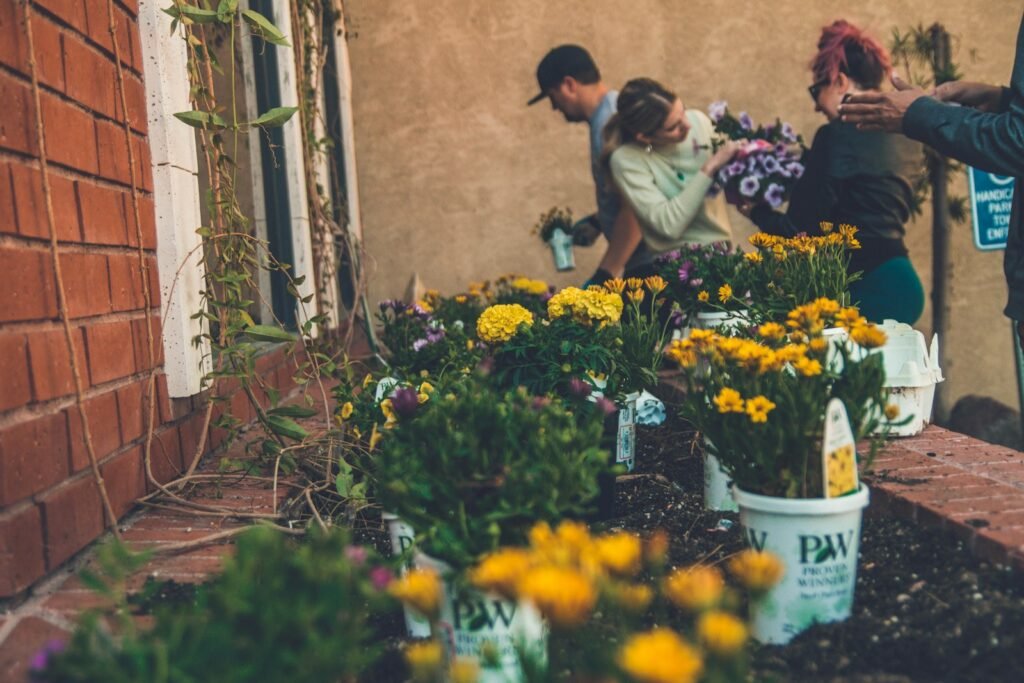
You’re seeing that Neighborhood gardens are now growing all over the place—whether it’s in backyards, around apartment buildings, or on lots that used to be empty. Some people grow food in their own yards and share it with neighbors. Others come together to care for one big garden space. But it’s about more than just fresh veggies or flowers—it’s about connection, teamwork, and learning from one another. These shared gardens turn ordinary spaces into vibrant, welcoming places where communities grow stronger, one plant at a time.
Learning Through Gardening
Gardens set up by schools, community centers, or nonprofits do more than grow food—they teach. Kids and adults learn how to plant, eat healthy, and care for the environment. School gardens are especially powerful. Kids are way more likely to eat their fruits and veggies when they’ve helped grow them themselves! These gardens become outdoor classrooms where students help plant, harvest, and even enjoy the food they grow. It’s a hands-on way to learn about nature, nutrition, and the value of real, healthy food.
Therapeutic Gardens
Therapeutic gardens are peaceful green spaces found in places like hospitals or care homes. They’re made to help people relax, heal, and feel better—both mentally and physically. Gardening offers a calming, hands-on way to ease stress and build confidence. It also encourages social connection, purpose, and new skills. Being outside in nature can even help patients recover faster and feel more at ease during treatment.
Donation Gardens
Donation gardens are all about growing food to share. Volunteers work together to raise fresh produce for local food banks, shelters, or families in need. It’s an easy but meaningful way to help out neighbors who are dealing with hunger. Some gardens are built just for this purpose, while others donate extra crops. With help from grants for community garden projects, it’s gardening with heart—and a big impact on the community.
Allotment Gardens
Allotment gardens are one of the most popular types of community gardens, where each person gets their own community garden plot to grow fresh produce. A big piece of land is divided into smaller plots, and each person or family gets their own space to grow what they like. It’s great for people who want their own little garden but still enjoy being part of a larger group. Common in places like the UK and Europe, these gardens often have deep roots in local tradition and give families a chance to grow fresh food, especially if they don’t have yards at home.
Market Gardens
Some urban community gardens go a step further and run like small businesses. These are called market gardens. People grow fruits and veggies, then sell them at local farmers’ markets or through CSA programs, where customers get a box of fresh produce each week. It’s a great way to support local farmers and help the community eat healthy, seasonal food. They support local farmers, help people eat fresh, nutritious food, and keep money in the community. It’s a great way to connect people with the source of their food while building a stronger local food system.
Community Gardens Change Our Urban Life
Urban gardening is more than just growing plants—it’s about growing connections. In busy cities, community gardens bring people together, offering a peaceful space to meet, share, and learn. These green spots help fight stress, build friendships, and give everyone a chance to work toward a greener future. They also teach simple but powerful lessons about saving water, using space wisely, and living sustainably. As cities grow crowded and fast-paced, these gardens become small havens of hope. They remind us that even surrounded by concrete, nature can grow—and so can strong communities.
Planting Power- Growing Lives, One Garden at a Time
Community gardens help women in so many ways. They can grow fresh food, earn a little money by selling what they grow, and enjoy some quiet time to feel better and less stressed. Gardening also helps women feel more confident, learn new things, and connect with others. By taking care of the earth, women are also inspiring kids and others to love nature and become future leaders.
Helping Youth Grow Through Gardening
Community gardens offer a great way for youth to connect with nature, their community, and each other. Being outside and working with plants can really help you feel better—it lowers stress and lifts your mood. Looking after plants also teaches you to be responsible and patient, and it feels good to see something grow because of your care. These green spaces give young people a sense of purpose and a peaceful place to grow, just like the gardens they tend. Plus, by helping out or selling what they grow, youth can even earn a little money, making the experience even more rewarding.
Conclusion
For the last word, I want to say community gardens are more than just green spots in the city—they’re an important part of happy, healthy communities. They help the environment, bring people together, and even create ways to earn and learn. As cities grow, it’s important that we support and protect these gardens. Whether you volunteer, start your own, or speak up for more green spaces, you can make a difference. When we care for community gardens, we’re also caring for our future, making our cities greener, kinder, and better for everyone.