
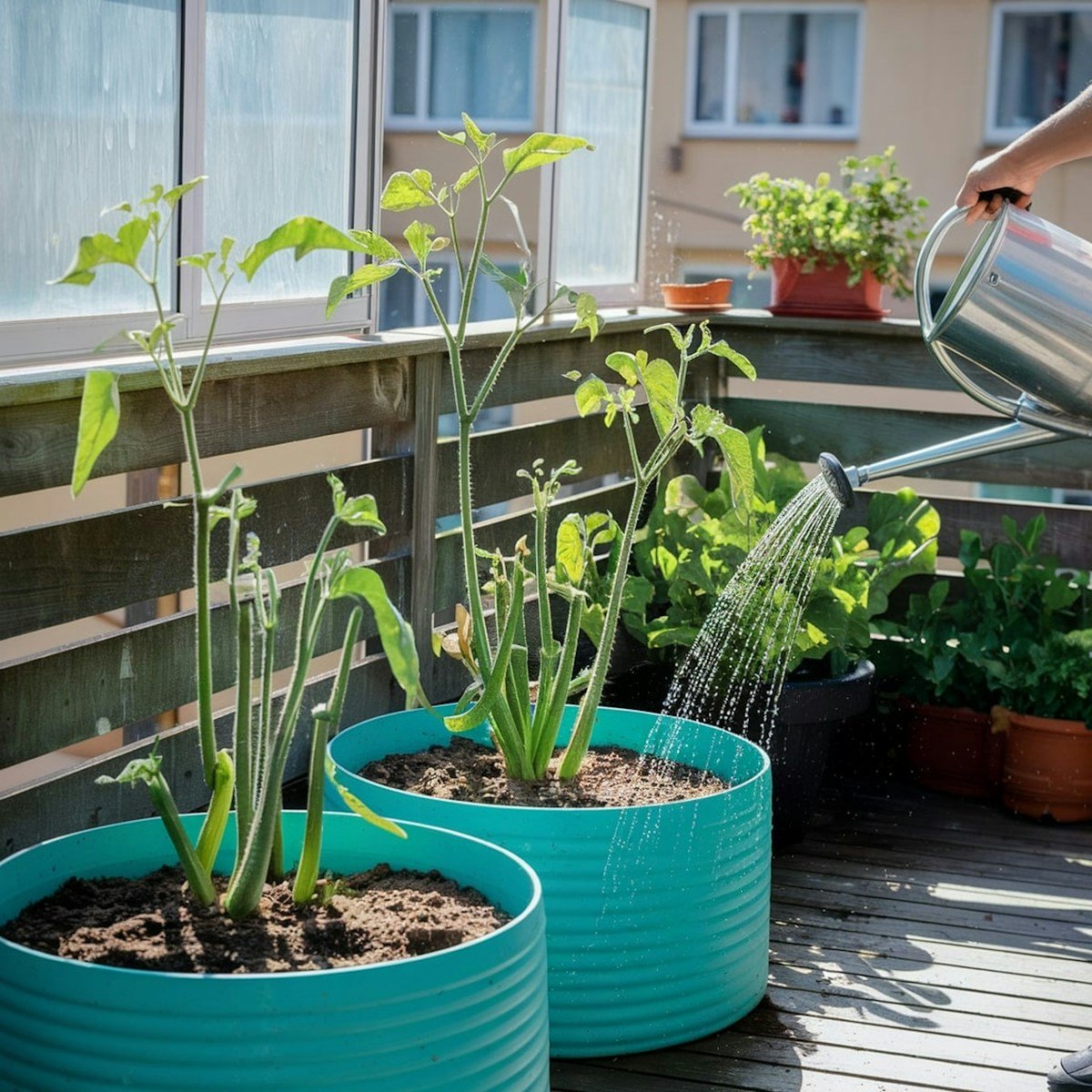
A sanctuary of nature within the concrete, a retreat for the soul, and a bounty of fresh, organic produce. As cities become denser, the appeal of creating private green spaces increases. A small organic farm of your own in a greenless, dry town. It can be any vegetable, salad, or herb. But you are the planner of this garden. The organic farm soil, water, fertilizer, site selection, and cultivation method depend on your decision. So let’s explore organic urban gardening, its roots, benefits, importance, and how you can taste and cultivate your private nature in
the city’s heart.
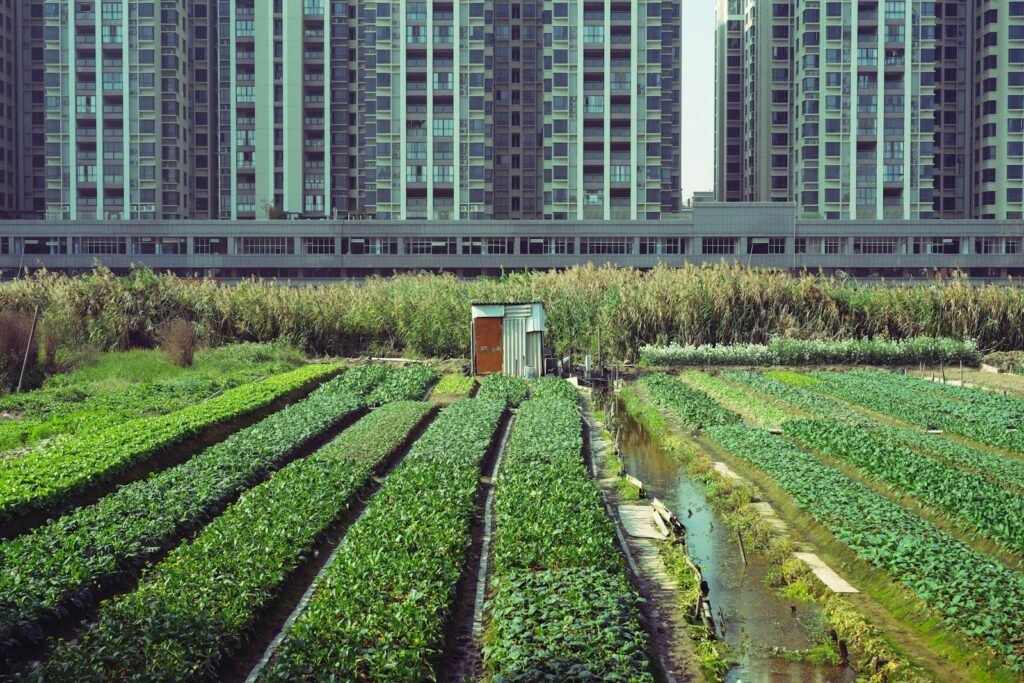
Importance of organic urban gardens
Organic urban gardens are important for living spaces and city gardening. These miniature gardens clean the air and create more oxygen for city people. They give a home to animals like bees and butterflies. They also provide fresh, organic food and reduce the need for food to be delivered from far away. Also, city gardens help cool down the area and reduce heat in the city. Socially, they foster community involvement, providing educational opportunities and recreational spaces. Overall, Organic urban gardens improve the environment, people’s well-being, and the economy in cities.
The rise of organic urban gardens
Urban gardening isn’t new. People have always found ways to grow food, from ancient Babylon to wartime gardens. Today, more people are growing food in cities, especially organic food, because they care about health, the environment, and being self-sufficient. People want food without chemicals and want to reduce their impact on the planet. Urban organic gardening lets you grow your own food instead of relying on food that travels far to reach you.
Benefits of Organic Urban Gardens
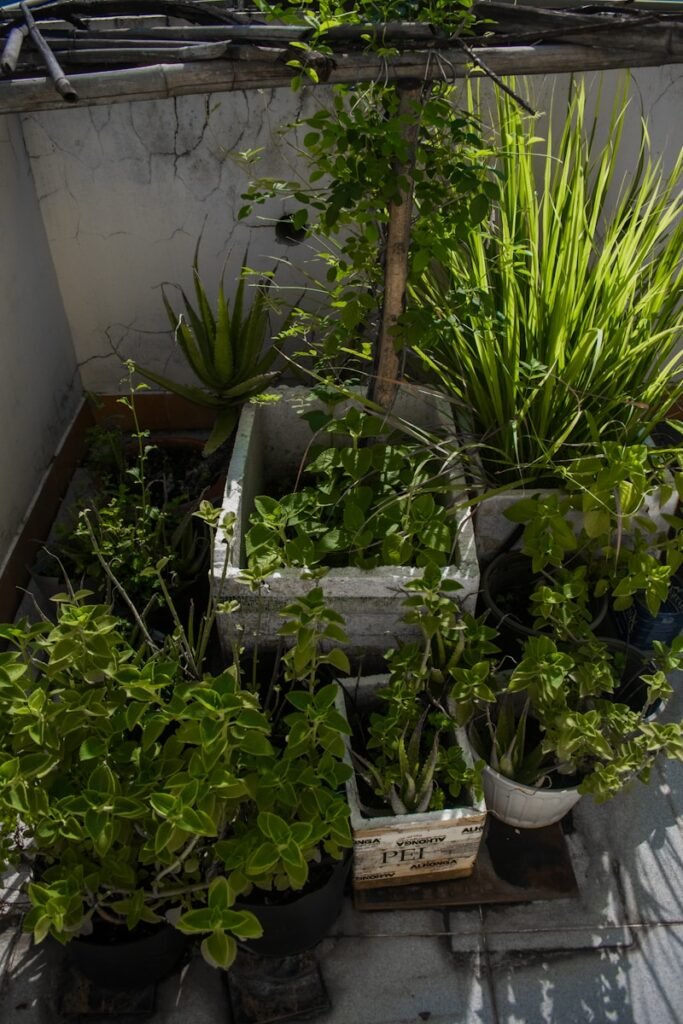
The benefits of growing an organic urban garden extend beyond the obvious. First, the health benefits are immense, and you have control over what you eat. Organic food is free from harmful pesticides and packed with nutrients. Ecologically, Urban gardens reduce heat, clean the air, and make cool, green spaces. Urban farms promote biodiversity by supporting a variety of plants and pollinators. Urban gardens provide educational and recreational opportunities, fostering community engagement and social links. Providing fresh, organic produce increases food security. Urban gardens offer educational and recreational opportunities, fostering community involvement and social cohesion. Urban parks help improve physical and mental health. They offer green spaces for exercise and relaxation. Recycling organic waste into compost helps reduce waste. They can help save money on groceries and make your home more valuable. Picture picking fresh tomatoes from your balcony or herbs from your window – it’s fun and saves money. What do you say about this dream?
Starting Own Organic Urban Garden
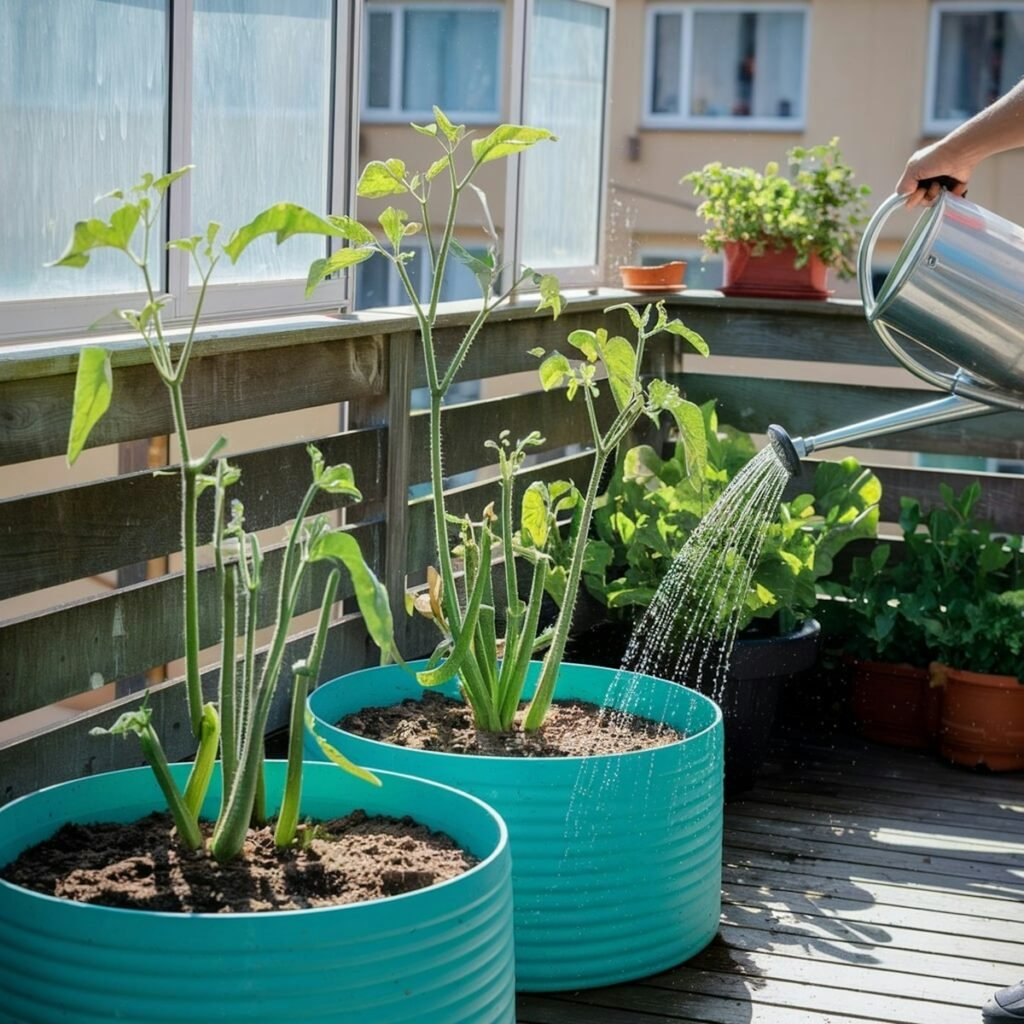
Starting an urban garden can seem terrifying, but it’s manageable with the right application.
Choosing the Right Space
- Space: First, select a suitable space. This could be a sunny balcony, terrace, or window box. Options include window sills or a small courtyard.
- Sunlight: Set your garden plants to receive at least 6-8 hours of sunlight per day. Most vegetables and herbs need lots of sun.
- Accessibility: Choose a location that is easy to access for regular watering, maintenance, and harvesting.
- Protection: Consider the need for protection from strong winds or insects. Raised beds, containers, and vertical gardening can be great options for limited space.
Selecting seeds and plants:
- Seeds and Plants: The next step is to select the right seeds and plants. Urban garden seeds are made to grow well in small spaces and containers for a better harvest. such as compact, dwarf, or container-friendly varieties.
- Easy grow options: Start with vegetables and herbs that are relatively easy to grow, such as tomatoes, lettuce, radishes, peppers, basil, mint, bell pepper, lemongrass, and spinach. I have some plants in my balcony garden coriander, mint, capsicum, and spinach. And I love having them.
Soil and Composting
- Soil Quality: Let’s pay attention to the soil because good organic soil is the foundation of a thriving garden. So you should use high-quality, organic potting soil. Make sure it drains well and is rich in nutrients.
- Composting: Composting kitchen scraps can enrich the soil, providing essential nutrients for your plants. Use organic compost to add nutrients and improve soil structure. In this case, you can make a compost bin with your daily cooking scraps and garden waste. My mom does this for her garden.
- Mulching: The other good caution for the soil is mulching. It’s good for retaining moisture, suppressing weeds, and regulating soil temperature.
- Other important aspects will complete your garden—soil testing, watering, pest management, regular maintenance, and local climate.
Cold Creek Gardens
A shining example in the world of urban gardening is Cold Creek Gardens. They use new ideas to turn city spaces into green areas. Their organic and sustainable methods set a high standard. Cold Creek Gardens shows that native plants and eco-friendly techniques can help urban gardeners grow a lot, even in a small space.
Techniques Of Urban Gardening:
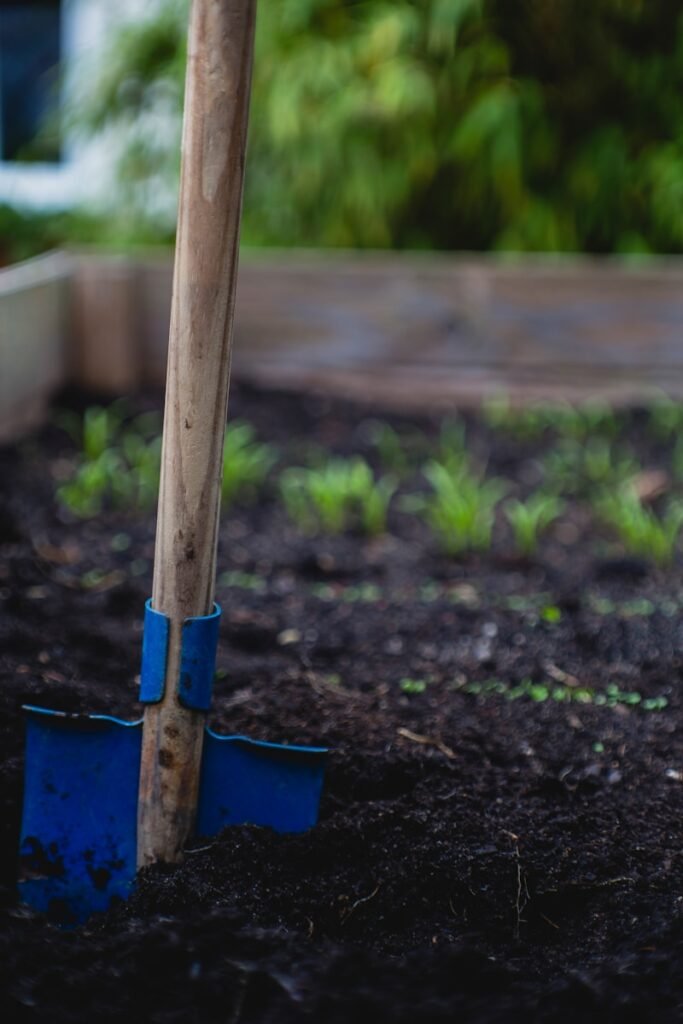
Urban gardening requires some creative strategies to maximize space and yield. Container gardening is a popular method that creates the chance for people to grow plants in pots and many types of containers.
It is especially useful for balconies and patios. Vertical gardening uses trellises and wall planters to save space and look nice.. Hydroponics and aquaponics offer soil-less gardening options, using nutrient-rich water to grow plants. These methods save space and use less water than regular gardens.
Challenges and Solutions in Organic Urban Gardening
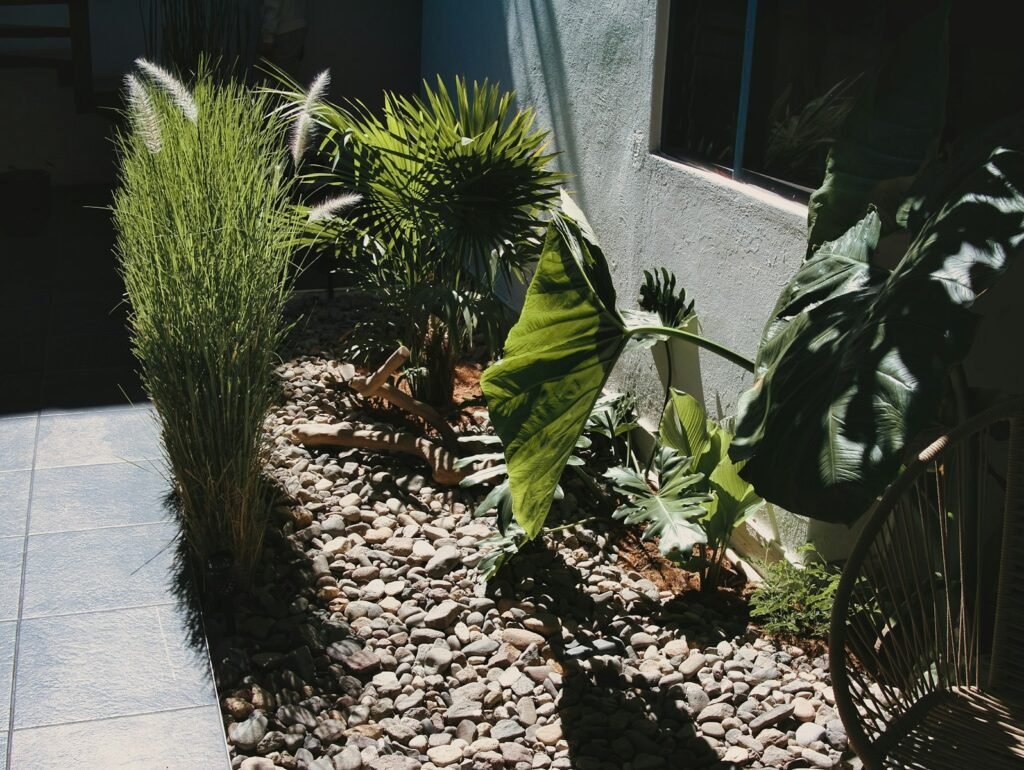
Urban gardening is not without its challenges. Limited space, poor soil quality, and pollution are common problems. However, solutions abound for urban gardeners.
Challenge 1: Limited Space
Cities have little space, making it hard to grow plants. Vertical gardening helps. You can grow tomatoes, cucumbers, and beans on walls, balconies, or trellises. Growing plants in containers, pots, or raised beds is very easy in container gardening. This method is flexible and can be easily repositioned for sunlight.
Challenge 2: Poor Soil Quality
Urban soils are often polluted or lacking nutrients necessary for healthy plant growth.
Solution: Before planting, test the soil for contaminants and nutrient levels. Creating raised beds and filling the garden with high-quality organic soil. It helps to avoid soil pollution. Composting adds organic matter to soil, making it healthier and better at holding water and nutrients.
Challenge 3: Water Management
Urban gardeners often face water-related problems, such as insufficient water, waterlogging, or poor drainage.
Solution: To ensure consistent and efficient watering, install a drip irrigation system. Drip irrigation reduces water wastage. for solution is to collect and store rainwater for use in gardens to reduce water and money costs. By reusing nature’s bounty in urban agriculture, municipal water dependence can be reduced. it’s a great idea, what do you say? Tell me in the comment box below. Apply organic mulch ( straw, leaves, or wood chips) around your plants to retain moisture, suppress weeds, and regulate soil temperature.
Challenge 4: Limited Sunlight
Buildings, trees, and other structures can block sunlight, creating shaded areas that are not ideal for many sun-loving plants.
Solutions: Pick plants that grow in low light, like spinach, lettuce, mint, parsley, and root vegetables like beets and carrots. If there’s not enough natural light, use energy-saving LED grow lights.
Challenge 5: Pest Control
Pests can quickly become a problem in urban environments where plants are densely populated.
Solutions: Plant plants that help keep pests away, like marigolds, which stop bugs, and basil, which keeps mosquitoes away. Ladybugs, spiders, and birds can help keep pests under control. Use homemade or commercial organic sprays such as neem oil, garlic, or soap sprays. Always follow directions to avoid harming beneficial insects
The future of urban agriculture
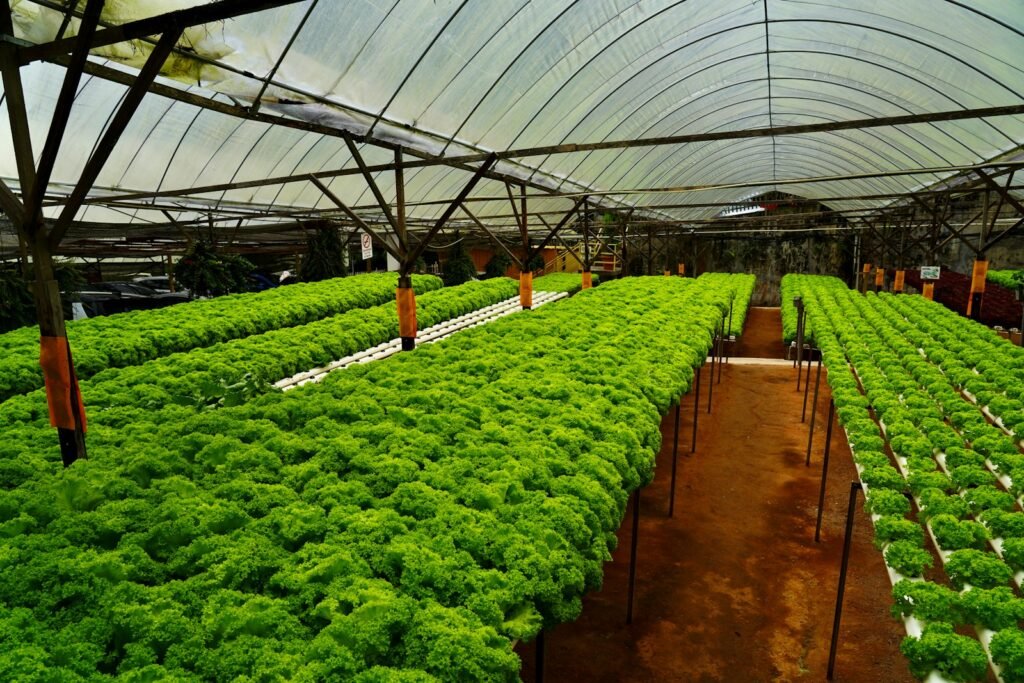
The future of urban agriculture is promising, and innovations are constantly emerging. Smart gardening tools, eco-friendly urban farms, and community gardens are changing city gardening. As the urban population grows, the integration of green spaces into urban planning becomes crucial. Cities like Singapore and Tokyo are leading the way, incorporating urban farms into skyscrapers and public spaces, proving that agriculture and urbanization can coexist harmoniously.
In conclusion, organic urban gardening is more than just a trend—it’s a movement toward healthy living, environmental sustainability, and building a healthy community. By engaging in urban gardening, we can transform our cities into greener, more livable places. So why not start your organic urban garden today? With a little effort and creativity, you can enjoy the fruits (and vegetables) of your labor right in your urban abode.