
Introduction
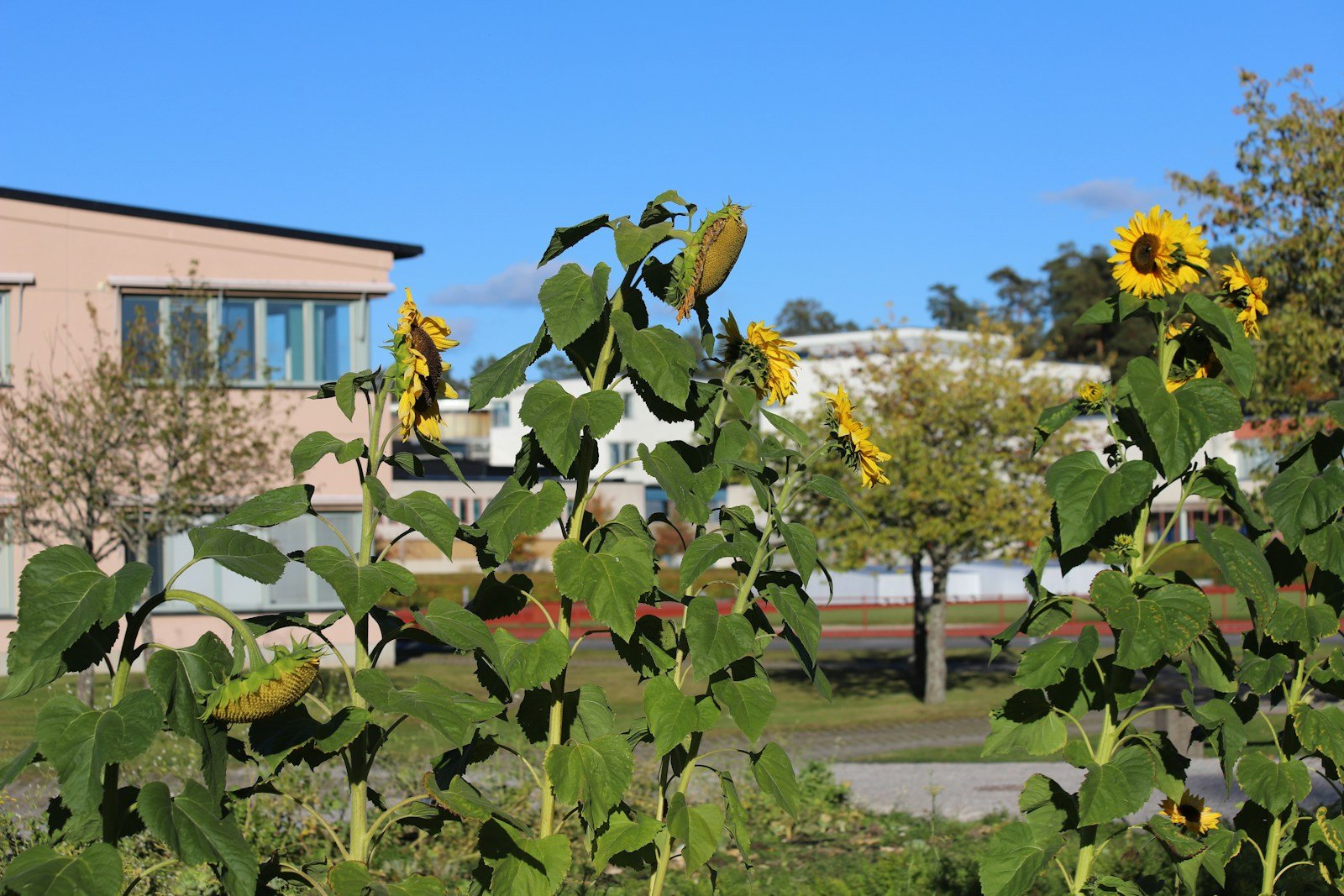
It all becomes clear now that, as our cities continue to expand, parks vanish, and with them our natural tie. And the answer is urban agriculture.
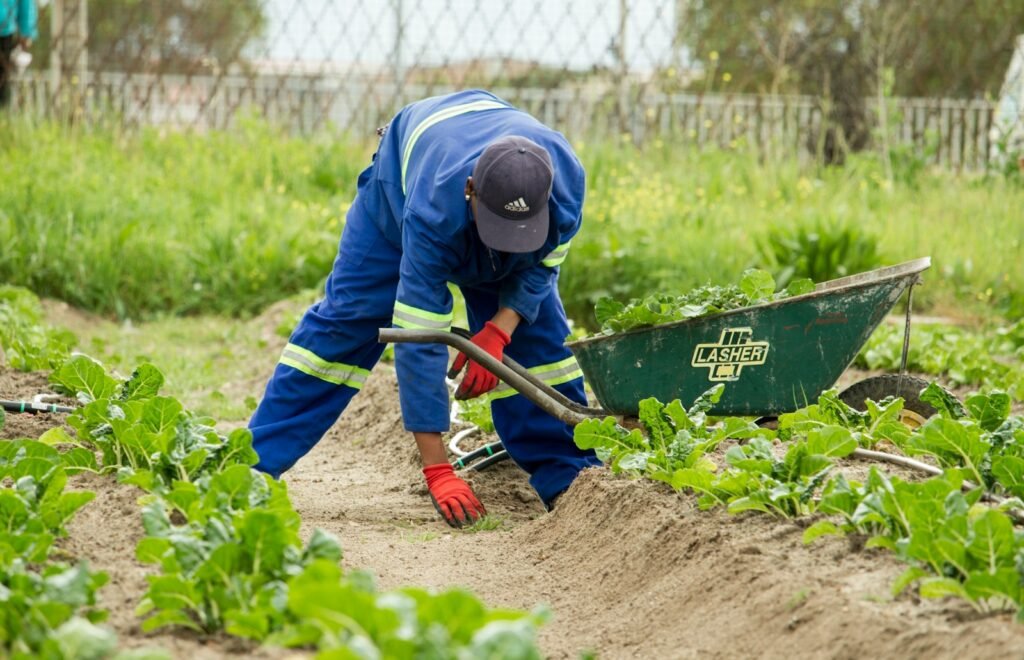
Urban farming is no longer a trendy pastime—urban agriculture is a proactive solution for contemporary cities. Consider it- much of what ends up on our plates has traveled hundreds of miles just to get here. Urban farming turns that on its head—it takes food growing right into our own backyard. Imagine it- plucking tomatoes from a roof, snipping basil from your balcony, or trading veggies from a small plot down the street. That’s the magic of urban agriculture—it gets us closer to our food, our neighbors, and the earth itself
This movement does so much more than fill our baskets with crisp fruits and vegetables. It cleans the air, provides shade to our sweltering, concrete jungles, and renews drab, lifeless spaces with green oases. Urban agriculture provides everyone with fresh, affordable fruits and veggies within their own backyard. Some of these urban farms donate food to those who are unable to afford it, teach neighbors how to grow their own, and provide local jobs—all the while motivating people to have healthier, happier lifestyles.
At its essence, urban agriculture reminds us that we can live more sustainably, even in the midst of huge city density. It’s about humans making small, empowering moves towards self-sufficiency, community building, and a greener planet. Urban farming isn’t just effective—it’s proof that hope can sprout up anywhere there is a spot of dirt, light, and TLC.
What is an Urban Farm or Agriculture
To define urban agriculture– Urban agriculture is the act of growing crops in and around cities and towns. It can go from a few herbs in pots on a balcony to a huge community farm built on an empty lot. It simply means growing food where people actually live.
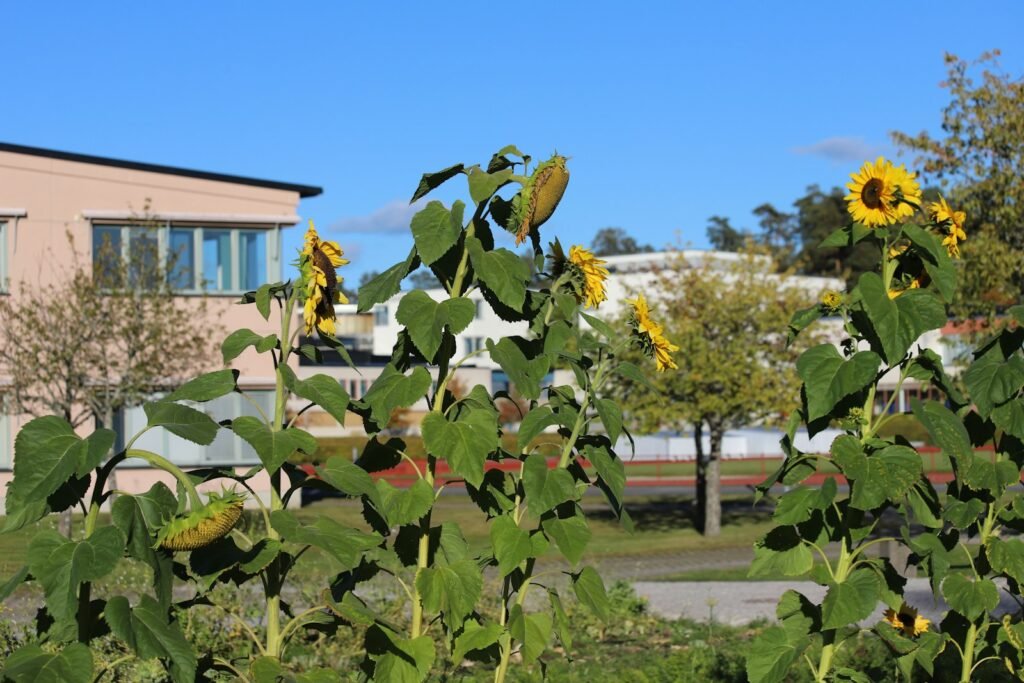
This form of agriculture is not limited to vegetables and fruits. Individuals also maintain chickens for eggs, bees for honey, or herb and flower gardens for home consumption or local market sale. The goal is to have food freshly available, local to where it’s being consumed, as opposed to only depending on faraway large-scale operations.
Urban agriculture takes many forms. Some have pots of plants on their living room floor, and others grow on rooftops, backyards, or schoolyards. In some cities, you even find hydroponic farms — in which plants are grown in water instead of soil — or vertical gardens that crawl up walls.
What is special about urban agriculture is that anybody can do it. You don’t need a lot of money or land. You just need a little bit of creativity, some sunlight, and a desire to bring something new.
But urban agriculture isn’t just about seeding. It’s about building stronger, greener, and more sustainable neighborhoods. When people grow food together, they share knowledge, save dollars, and take care of the planet. It’s a small act that creates dramatic impact — starting in our own backyards.
How Previous Civilizations Practiced Urban Agriculture
You can probably imagine urban agriculture is a new thing — that farming in the city in the modern era came up with it as an attempt to get green. The reality, however, is it’s been happening all throughout human history! People have been farming in the city for tens of thousands of years.
What we call the rise of urban gardening is actually a return to something humans have always practiced. Way back in ancient days, there were city farms everywhere in Rome, Egypt, and Mesopotamia. Families grew crops within the city walls so they always had a fresh supply nearby, even during bad times. The famous Hanging Gardens of Babylon? Yes, that was one of the earliest examples of urban farming. In medieval Europe, people had small gardens at the rear of their homes or in front of city gates. Monks in monasteries grew vegetables and herbs too, not just for eating, but also for healing and inner tranquility.
In Asia and the Arab world, gardens were sanctuaries of beauty and health — with scented plants, flowers, and birds. When the Industrial Revolution made cities overcrowded, open spaces vanished. But when there was war, city dwellers brought back farming with “Victory Gardens.” It was not just about food; it was about hope and togetherness. And urban agriculture is blooming again.
In Havana and Singapore, rooftops, balconies, and empty lots are being transformed into lush oases. The history teaches us one thing — growing food close to home isn’t just smart, it’s who we are.
Can Urban Agriculture Really Be Our Hope for the Future?
You know, sometimes it actually feels as if cities are swallowing up nature — more buildings, more traffic, less green. But in the midst of all that, urban agriculture gives us hope. It’s a gentle reminder that we can still grow, feed, and heal the world right where we live.
When looking at how is urbanization impacting agriculture, it goes without saying that our modern lifestyle has brought about some serious challenges. The food we eat typically travels thousands of miles before it reaches our plates. That means more fuel, more toxins, and fewer nutrients. Can urban farming influence food production? Yes. By growing food in cities — on rooftops, balconies, or maybe former parking lots — we cut short that long trip. Fresh food can go directly from neighborhood gardens, saving energy and keeping nutrients intact.
Urban farming also brings people together and offers real solutions in hard times. When food prices are high, families are able to grow their own produce and save themselves money. When jobs are scarce, small city gardens can be mini-businesses. And when life feels frenetic, tending the plants provides peace and purpose.
Looking forward, how urbanization affects agriculture is an even bigger question. With more and more people now residing in cities and climate change exposing the land that crops are grown on to vulnerability, we can’t solely rely on the countryside to feed us. Cities must be included in the solution — and that is what urban agriculture achieves.
It trains children to learn responsibility, unites communities, and creates greener, more sustainable cities. Urban agriculture is not a brief fad, therefore. It’s a growing optimism — for people, for the earth, and for the common future that we all merit.
Why Urban Agriculture Is Important
You see, urban agriculture is more important than people realize. It impacts almost every facet of city life—from what we place on our plates to the air we breathe. When we think about why urban farming is important, it is not all about growing plants. It is about creating healthier, happier, and more balanced communities where we live.
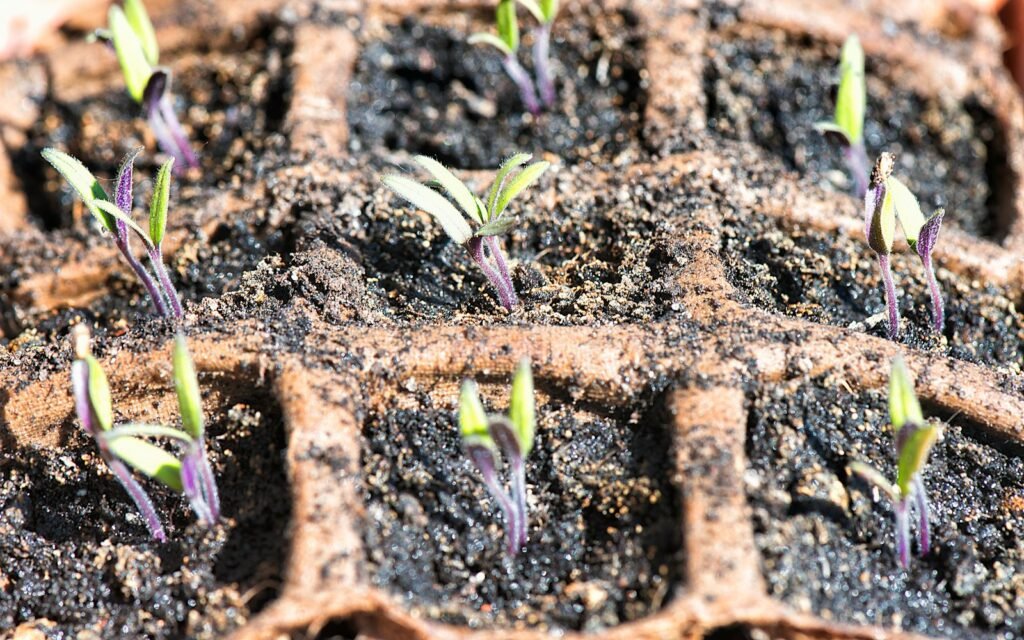
For starters, one of the best advantages of urban farming is food security. Fresh vegetables and fruits are either unaffordable or hard to find in most urban centers. Locally produced food makes healthy foods more available to individuals without having to depend on faraway suppliers. It cuts the transportation cost and renders the food less expensive and fresher.
And then there is the environmental factor. Sustainable urban farming cleans the air, cools the city, and enhances rainwater control. Any garden, however tiny, has the ability to purify carbon dioxide, add oxygen, and fight climate change in its own quiet way.
Urban farming also brings people together. When neighbors share soil, seeds, and smiles, they build close-knit bonds and caring communities. Such gardens often turn into peaceful gathering spots where all individuals—irrespective of their background—feel welcome.
And let’s not forget the personal benefits. Gardening enhances both mental and physical health. Proximity to plants reduces stress, enhances mood, and keeps people active. Furthermore, it encourages us to eat fresh and live longer.
Finally, urban agriculture is not just a trend—it’s a movement. It gives individuals pride, purpose, and proof that we can grow and transform. Sustainable urban farming is one of the simplest ways to help make our cities greener, cleaner, and more hopeful for all individuals.
Types of Urban Agriculture
Sustainable urban agriculture comes in all shapes and sizes—it’s not a one-size-fits-all kind of thing. That’s what makes it so exciting! People can shape it to fit their space, lifestyle, and creativity. Whether you’ve got a balcony, a rooftop, or just a sunny windowsill, there’s always a way to grow something green. Let’s explore some of the most common types of sustainable urban agriculture that are blooming across our cities.
1. Home Gardens
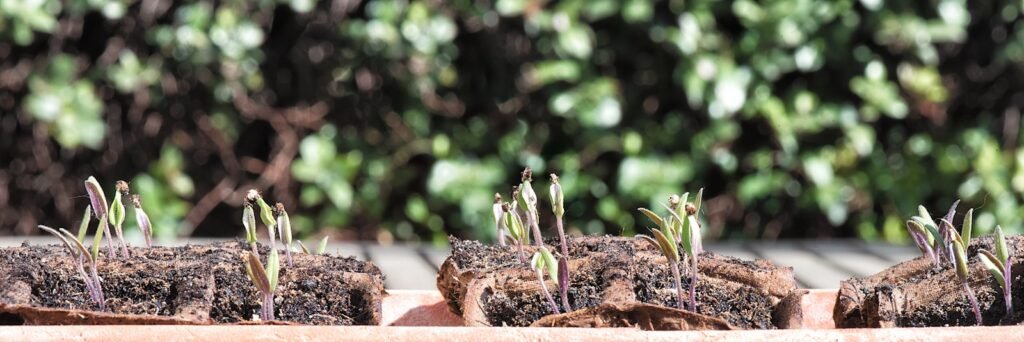
Home gardens are the most personal form of urban agriculture. You can grow herbs, leafy vegetables, or even small vegetables in your rooftop or backyard. If you don’t have soil space, a small hydroponic garden is a fun place to start—just water, nutrients, and a little care. It’s amazing how much fresh produce you can have right at home!
2. Community Gardens
They are local green areas where individuals in the community come together to plant food and develop connections. Everyone helps plant, water, and harvest. The best part? You don’t just grow veggies—you grow friendships too.
3. Rooftop Gardens
When land is scarce, rooftops turn into gardens. They are a great use of wasted space, cool buildings down, and reduce the temperature of the city. And think of sipping coffee surrounded by greenery and city views—it’s pure heaven.
4. Vertical Gardens
Vertical gardens take it to new heights—literally! By hanging plants upwards on walls or towers, they save land, water, and energy. They’re a smart option for anyone living in small urban areas.
5. Hydroponic and Aquaponic Systems
For innovation lovers, hydroponics and aquaponics are a game-changer. Even a small hydroponic garden at home can produce fresh vegetables and herbs year-round. Plants grow in nutrient-rich water instead of soil, and food can be produced year-round. Aquaponic systems even merge plants and fish in a symbiotic ecosystem that works to the advantage of both. A small home hydroponic garden can deliver surprising outcomes with little space and water consumption.
6. School and Institutional Gardens
Schools, workplaces, and hospitals are also embracing green spaces. These gardens teach people about nature, sustainability, and healthy eating in a hands-on, enjoyable way.
Intelligent Energy and Water-Saving Techniques in Urban Farming
Modern urban farming techniques aren’t just focused on growing food—they’re also growing brains. Urban farmers now use innovative, eco-friendly ideas to save energy, reduce wastage, and squeeze the most from every drop of water. The following are some of the most effective methods of urban agriculture that are making city farming productive and sustainable.
1. Passive Energy Exploitation
Why rely on electricity alone when nature offers plenty of free energy? Utilizing natural sources of energy—like solar panels to run lights or pumps—keeps urban farms low-tech and inexpensive. It’s one of the smartest ways to boost sustainability while minimizing costs.
2. Climate Control and Monitoring
Healthy crops love the perfect mix of light, humidity, and temperature. Thanks to sensors and monitoring systems, farmers can now offer the perfect growing conditions. This translates to quicker maturing crops and lower energy usage overall—a sure example of the many advantages of urban farming.
3. LED Lighting
Energy-efficient LED grow light bulbs are a total game-changer. They can be set to give plants the precise type of light they require at every stage of growth. Softer light helps with the development of healthy seedlings, and more intense light helps with flowering and fruiting. The result? Healthier plants and even tastier produce.
4. Automation Systems
Automation truly takes the guesswork out of the picture. In fact, smart systems can regulate watering, lighting, and even nutrient supply. As a result, it saves time, reduces human error, and increases yields. Moreover, it’s one of those urban farming techniques that make urban farming look both simple and futuristic..
5. Water Harvesting and Reuse
Water is a precious resource, and urban farmers know it. The majority of farms now harvest and recycle water through smart systems that ensure that nothing goes to waste.
6. Drip Irrigation
Instead of drowning the soil, on the other hand, drip irrigation delivers precisely the right amount of water directly to the roots. As a result, this low-tech yet brilliant technique reduces waste and helps plants thrive. Together, these urban agriculture techniques collectively make city farms smarter, greener, and more productive—proving that, indeed, innovation and sustainability can grow hand in hand.
Urban Farming – Our Only Solution: How?
Cities are growing faster than ever, and our traditional ways of producing food are struggling to keep pace. Farmland is shrinking, pollution is rising, and climate change is making farming harder. In this situation, urban agriculture isn’t just an option; it’s one of the best solutions we have.
First, urban agriculture brings food closer to people. Growing fruits, vegetables, and herbs right in the city means we cut down on long-distance transportation, lowering pollution while creating fresher, healthier food on our plates. It’s one of the smartest urban farming solutions for creating cleaner, greener, and more sustainable cities.
It uses space smartly. Even small areas-a balcony, rooftop, or empty lot-can yield a surprising amount of food. Instead of letting land sit unused, cities can turn it into green, productive spaces.
It promotes climate change mitigation because plants absorb carbon dioxide, reduce city temperatures, and improve air quality. Urban farms can even recycle water and compost organic waste, reducing environmental stress.
Fourth, it creates jobs and income. Urban agriculture opens opportunities for small businesses, farmers’ markets, and food delivery services. People can make money while contributing to a healthier city.
Finally, urban agriculture creates resilient communities: the more a city can feed itself, the less it depends on farms and global supply chains elsewhere. That means food security when floods, droughts, or pandemics hit hard.
In short, urban agriculture is not just a nice idea; it’s an imperative for a growing world. It resolves environmental, social, and economic problems with one solution. If we are to have healthy, sustainable cities of the future, urban agriculture is the only way forward.
7 Benefits of Urban Agriculture
Urban agriculture solutions bring many benefits — for people, cities, and the planet. Even small gardens can create big changes. Let’s explore the seven most important advantages.
1. Fresh and Healthy Food
When you grow your own fruits and vegetables, you know they’re clean and safe to eat. Urban farming gives people fresh, healthy, and chemical-free food right where they live. In big cities, finding truly fresh produce can be hard, and that’s where urban agriculture really helps. It improves food security by making local food easier to get, especially in “food deserts” where healthy options are limited. If we grow food close to home, city farms, or your backyard garden, then it’s sure everyone gets fresh fruits, veggies, and even eggs—without all that long-distance travel.
2. Environmental Benefits
In an agriculture city, even small gardens can make a big difference. They clean the air, give us fresh oxygen, and help cool things down on hot days. Green spaces also soak up rainwater and reduce pollution. Plus, they’re a little welcome home for birds, insects, and other wildlife. Even tiny patches of plants bring nature back into busy city streets, making life more pleasant for everyone. Urban farms show that cities don’t have to be all concrete—they can be green, lively, and full of life.
3. Economic Advantages
Growing one’s own food can even save the family grocery money, while excess produce can be sold for a little extra income.
Urban agriculture brings opportunities for all kinds of work- planting, marketing, selling, and running food-related businesses. It supports the acquirement of social skills, such as teamwork, planning, and customer service. Just because of practising urban agriculture, we can see that school gardens and town farms are now ideal settings to teach students hands-on practicalities in growing their own food, nutrition education, or scientific experiments.
4. Social and Community Aspects
Urban agriculture brings people together. In community gardens and city farms, neighbors share seeds, tools, and tips while making new friends. These spaces are perfect for learning, teamwork, and having fun, helping reduce loneliness and build stronger social bonds. Kids involved in gardening get active, try new foods, and learn where their meals come from.
5. Educational Opportunities
School gardens and urban farms teach children many things about nature, nutrition, and sustainability, helping them understand what is urban farmer and how food is grown in cities
They have hands-on experiences that textbooks cannot give. Kids learn responsibility, patience, and creativity.
It opens up possibilities for workshops, school programs, and cultural exchanges that allow people of all ages and backgrounds to come together. Communities have greater food control when they grow their food together, increasing self-sufficiency and a sense of belonging.
6. Mental and Physical Health
You see, gardening works wonders for both body and soul. Spending time with plants helps reduce stress, elevates your mood, and keeps you active without your noticing it, really. This is one positive effects of farming; there is a little peace and fitness in your daily life. Adding to that, when you grow your own food, you eat fresher and healthier. Kids who have joined school or community gardens often become more active and curious about trying new foods. Honestly, with that simple joy of nurturing something green, you feel calmer, happier, more connected.
7. Resilience and Food Security
When cities go through hard times – food shortages or supply chain problems-then urban agriculture comes into its own. We can grow fresh food right where people live, cutting our reliance on distant farms. It’s one of the smartest urban farming solutions for building resilience. Community gardens, rooftop farms, and even balcony setups can keep food flowing when the world feels uncertain.
Challenges and Policies
Urban agriculture is inspiring, but farming in the city isn’t always easy. Space is tight, the soil might be polluted, and water can be very expensive. Creative solutions like vertical gardens, hydroponics, and rainwater harvesting make the process doable.
Most people need training to learn how to grow food sustainably. Supportive policies of the city can make a big difference by allowing community gardens, rooftop farms, and local incentives.
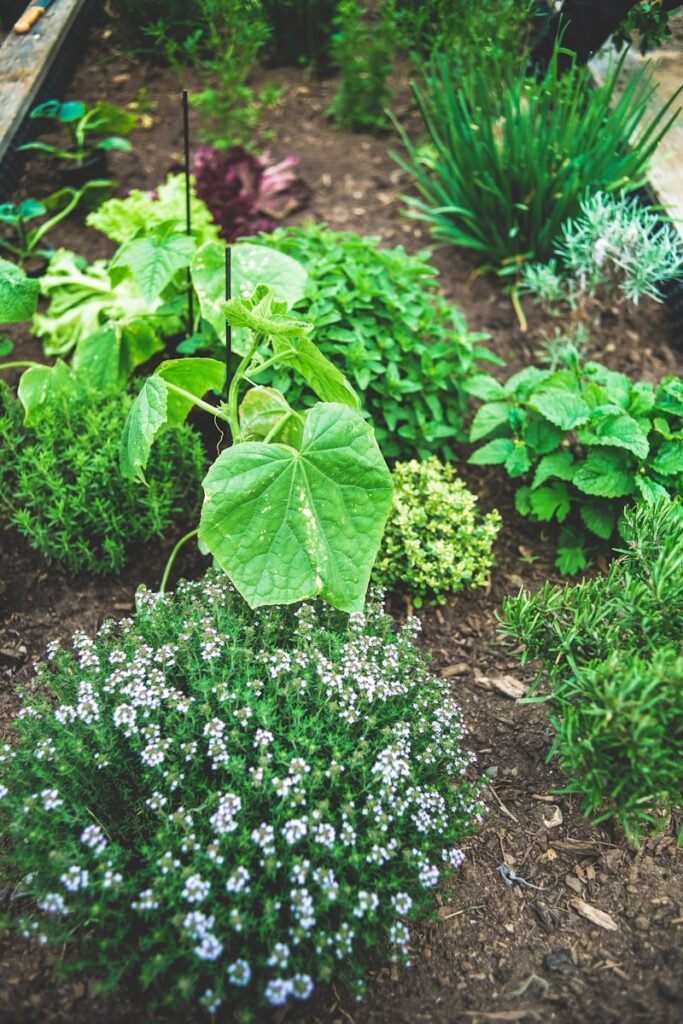
That is why supportive policies, government incentives, and community programs matter so much. With teamwork, education, and smart planning, farming in the city can overcome these challenges and help build greener, healthier, and more sustainable urban spaces.
Let’s Innovate Our City — For Our Next Generation
Our cities can be more than mere concrete, traffic, and pollution. They can be a haven of green spaces, fresh food, and hope. Urban agriculture opens up an avenue for re-envisioning the mechanics of cities-not just for ourselves, but also for our children and future generations.
Picture rooftops covered in vegetables, schoolyards with fruit trees, and community gardens on every block. These spaces teach children about nature and healthy eating, as well as teamwork. They are an example that even in the midst of big cities, we can create a better, cleaner world.
Innovation doesn’t necessarily mean large machinery or costly technology. Sometimes, it simply means planting a garden on an empty lot, starting a small compost system, or applying some easy, small methods of urban agriculture involving vertical farming. Every small effort counts. By reimagining our cities using urban agriculture, we are also creating green jobs, supporting local economies, and reducing pollution. Children will grow up learning that cities can be productive, healthy, and connected to nature.
The best part? These changes don’t require magic. They require people like us: caring, creative, and willing to act. If we start today, the next generation will inherit a city that feeds them, teaches them, and nurtures their dreams.
Urban Farming: Beyond Just a Hobby
1. Empowering Communities
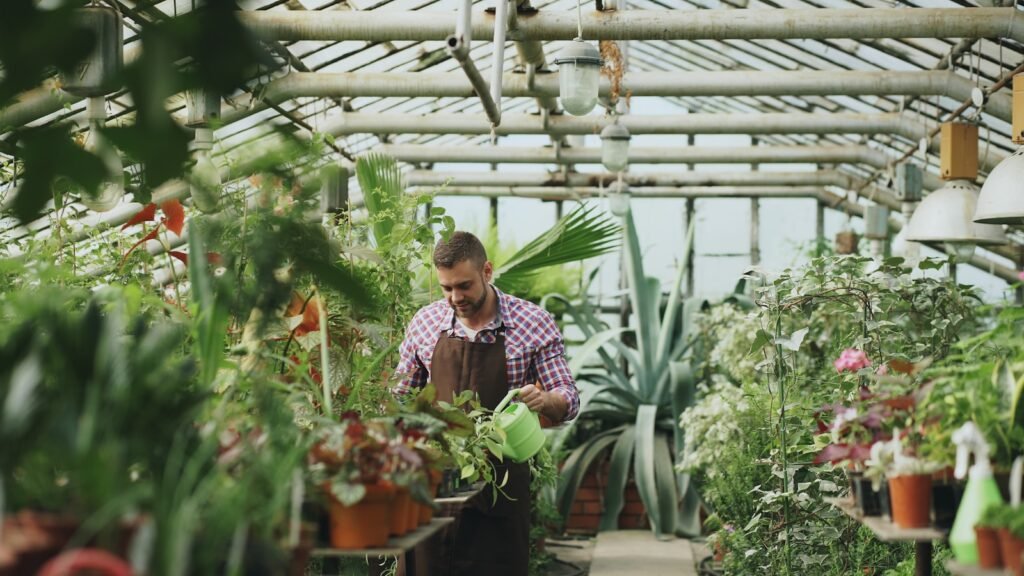
Community gardens bring people together. Neighbors share seeds, advice, and harvests. Those from varied backgrounds meet each other, work side by side in various plots, and build trust. These spaces become more than gardens — they are centers of friendship and collaboration.
2. Boosting the Local Economy
You see, urban agriculture is more than just growing food; it is a lifeline. Local businesses can sell the freshly picked produce or conduct workshops on gardening. Additional produce can either be sold in local markets or restaurants. This generates employment and keeps cash within the community. Even more significantly, urban farming gives refugees, students, and in particular, women, skills, income, and a reason to get up in the morning. In urban agriculture, operating a small delivery service, learning how to garden sustainably, or selling fresh vegetables, these activities empower people and bring communities closer together.
3. Social Inclusion
They often empower those who may otherwise be left behind: refugees, unemployed youth, or elderly residents. This provides them with work, a purpose, skills to be utilized, and social connections. Everyone can contribute, and everyone can benefit.
4. Reducing Stress and Improving Well-being
Gardening makes people calm and happy. It works like a meditation. It offers a break from screens, traffic, and the din of cities. Social contact at community gardens similarly reduces loneliness and isolation.
5. Education and Awareness
Urban agriculture teaches people about sustainable means, nutrition, and caring for the environment. Workshops, school gardens, and volunteer programs spread the knowledge further. Communities become smarter, more conscious, and appreciative of the importance of green areas.
Conserving Nature
Nature protection begins with awareness: to know that small choices create big change. From restoring urban green roofs to using bio-friendly construction materials, we can rebuild harmony between cities and ecosystems. Support for pollinator gardens, a reduction in noise pollution, and the use of local biodiversity-friendly design do much to heal nature while maintaining a beautifully alive world.
Simply said, urban agriculture advantages are impact reaches beyond the garden fence.
Big Idea, Big Farm, Big Opportunities, Big Changes
Big ideas can come from urban agriculture. At its core, the big idea is simple: utilizing city spaces wisely to grow food, enhance the environment, and strengthen communities. In fact, this concept could even lead to the creation of large urban farms inspired by this vision.
Moreover, big farms in cities offer much more than just food production. They also generate employment, develop skills, and provide fresh produce. As a result, entrepreneurs can start small businesses and contribute to local economies. Ultimately, urban agriculture reminds us that each seed planted is a step toward better cities and a brighter future. From tiny balcony pots to large rooftop farms, the possibilities are truly endless.